E-Paper



Data flags higher Covid-19 toll in Gujarat than official count
If all extra deaths are attributed to Covid-19, it would mean 201,645 people died in 2021, compared to the official death toll of 11,101 that year in Gujarat.

 Prefer HTon Google


In Gujarat, 725,573 people died in 2021, an increase of 38.5% as compared to 2020, shows the state government data on births and deaths, with the officials attributing the increase to Covid-19 pandemic.
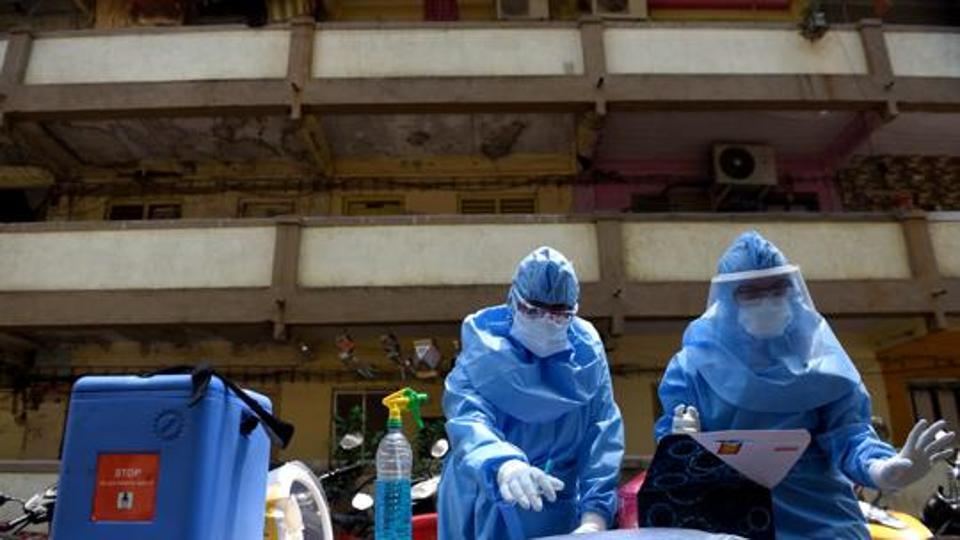
If all extra deaths are attributed to Covid-19, it would mean 201,645 people died of the viral disease in 2021, compared to the official death toll from Covid-19 that year of 11,101.
Even if only half the extra deaths were on account of Covid-19, it would mean 100,847 people succumbed to the viral disease that year, which is still 808% more than the official death toll.
Both 2020 and 2021 were Covid-19 pandemic years and the data shows that intensity of the disease was highest during April to May months of 2021.
In 2020, when the pandemic first struck and a nationwide lockdown was imposed, Gujarat recorded 523,892 deaths, a 13.3% increase from the 462,284 deaths recorded in 2019.
The spike in deaths during 2021 was unprecedented, representing a 64.3% increase from the ten-year average, the ‘Annual Report on the Working of Registration of Births and Deaths Act, 1969, Gujarat State – 2021’ showed. HT has seen the report.
“There seems no other reason other than the Covid-19 pandemic for this excess mortality rate,” Dileep Mavalankar, former director of the Indian Institute of Public Health, Gandhinagar, the first university in India dedicated solely to public health. He said in rural areas many COVID-related deaths went unreported because testing wasn’t available.
In May 2021, at the height of the second wave of Covid-19, Gujarat recorded 180,239 deaths, accounting for 24.84% of the state’s total fatalities that year, according to the government report. April followed with 88,571 deaths (12.21%), and June saw 76,984 deaths (10.61%), it added. Altogether, from April to June 2021, Gujarat reported 345,794 deaths, marking a 55% increase compared to the same period in 2020, when 223,000 deaths were recorded. The rise in mortality is stark when compared to 2019, which saw 182,000 deaths during this period, reflecting a 90% increase from 2019 to 2021.
“Awareness is created by sharing information, not by suppressing it. This data would have been very useful for making public aware and increasing subsequent healthcare budgets if released on time,” he added, responding to criticism of the Gujarat government during pandemic of hiding Covid-19 deaths.
However, the Gujarat government’s Covid-19 tracking website officially listed only 11,101 deaths due to Covid-19 till September 16, 2024.
In February 2022, the Gujarat government informed the Supreme Court that it had received 102,230 claims for compensation related to Covid-19 deaths. “Deaths were initially under-reported, and fatalities due to co-morbidities were not included in the official Covid-19 death count,” said a government official who did not wish to be identified.
To be sure, this discrepancy is not unique to Gujarat; similar death reporting gaps during Covid-19 were observed in many parts, including widespread issue in pandemic mortality reporting in states like Maharashtra, Madhya Pradesh and Andhra Pradesh.
The death recorded is based on Civil Registration System, which records actual deaths in the state on basis of data uploaded from every panchayat in the state.
Gujarat health commissioner Harshad Patel and state health minister Rushikesh Patel could not be reached on his mobile phone.