
 E-Paper



Decriminalising minor offences to hefty penalties for land encroachment: Key amendments proposed in Jan Vishwas Bill
A total of 784 provisions are proposed for amendment, of which 717 will be decriminalised to promote ease of doing business.

 Prefer HTon Google


The government on Friday introduced in the Lok Sabha the second edition of the Jan Vishwas bill seeking to amend certain provisions to decriminalise a host of minor offences to promote ease of doing business.
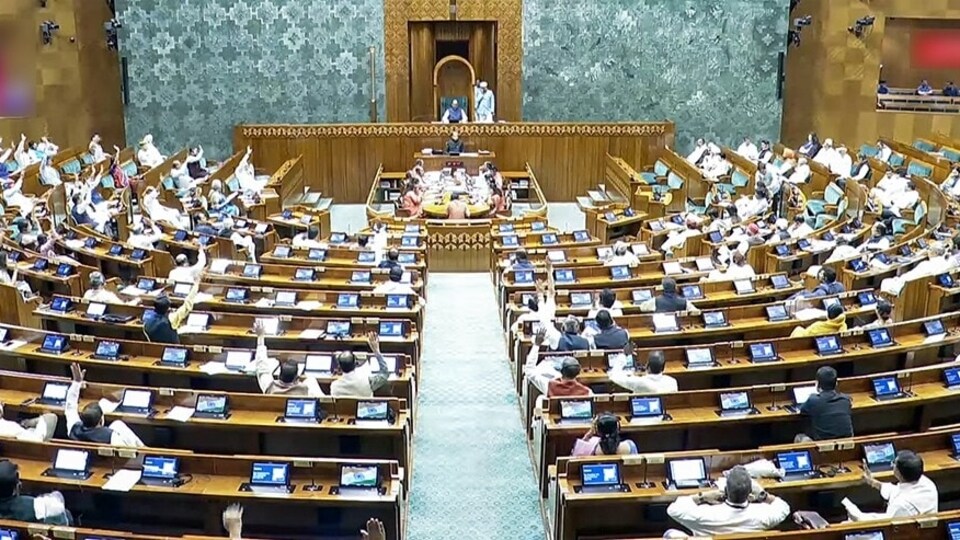
The Jan Vishwas (Amendment of Provisions) Bill, 2026, which was introduced by minister of state for commerce and industry Jitin Prasada, proposes to amend 79 central acts administered by 23 ministries.
A total of 784 provisions are being proposed to be amended, out of which 717 provisions are being decriminalised to foster ease of doing business, and 67 provisions are proposed to be changed to facilitate ease of living.
Also Read: ₹1,000 fine for dog owner if pet found without leash on street under proposed DMC Act revision
The bill proposes to remove imprisonment in 57 provisions and fines in 158 provisions. Also, imprisonment is proposed to be reduced in 17 provisions, and imprisonment and fine are proposed to be converted to a penalty in 113 provisions.
A look at the 10 key amendments:
1. The government has proposed amending the Motor Vehicles Act to introduce a 30-day grace period after a driving licence expires, during which it will still be considered valid.
2. Under the Food Safety and Standards Act, 2006, the proposed amendment reduces the maximum jail term for tampering with seized items (such as food or vehicles) from six months to three months.
3. The 153-year-old Cattle Trespass Act is set for a major overhaul, with key offences being decriminalised, jail terms replaced by monetary penalties, and collected fines directed towards animal welfare.
4. Amendments to the Electricity Act propose removing imprisonment for non-compliance with official orders, while increasing penalties up to ₹10 lakh. The bill also removes provisions related to penalties for extinguishing public lamps and simplifies existing penal clauses.
5. The New Delhi Municipal Council (NDMC) Act, 1994, will see a restructuring of property tax into two components—building tax and vacant land tax, replacing the existing framework under Section 61.
6. Under the Slum Areas (Improvement and Clearance) Act, 1956, offences will attract fines of up to ₹10,000 per instance instead of imprisonment. Continued violations will incur an additional 1,000 per day, capped at ₹1 lakh.
7. In relief to homebuyers, the amendment removes the provision of up to one-year imprisonment for allottees failing to comply with Real Estate Appellate Tribunal orders. Instead, a penalty of up to 10% of the property cost may be imposed.
8. For unauthorised occupation of government premises, penalties will be significantly increased. Offenders may have to pay up to 40 times the licence fee in the first month, with a 10% monthly increase thereafter. Illegal occupation of public non-residential land may also attract up to six months’ imprisonment, or a fine of 5% of the land value per year, or both.
9. The fine for allowing a dog to roam without a leash in public spaces under the Delhi Municipal Corporation Act, 1957, is proposed to be increased from ₹50 to ₹1,000.
10. Penalties under the Metro Railways (Operation and Maintenance) Act, 2002, for offences such as drunkenness, carrying offensive material, or engaging in demonstrations, are proposed to rise from ₹500 to ₹2,500, as per the bill.
(With PTI inputs)


