E-Paper



Delhi builds 2 water treatment plants for ₹850 crore, but has no raw water to treat
Together, the two plants in Dwarka and Chandrawal can process 155 million gallons of drinking water a day, nearly 60% of the city’s 250 MGD water demand-supply deficit.

 Prefer HTon Google


Delhi has completed two new water treatment units at a combined cost of ₹850 crore, but the added treatment capacity is yet to translate into increased water supply because the city has no additional raw water, people familiar with the matter said.
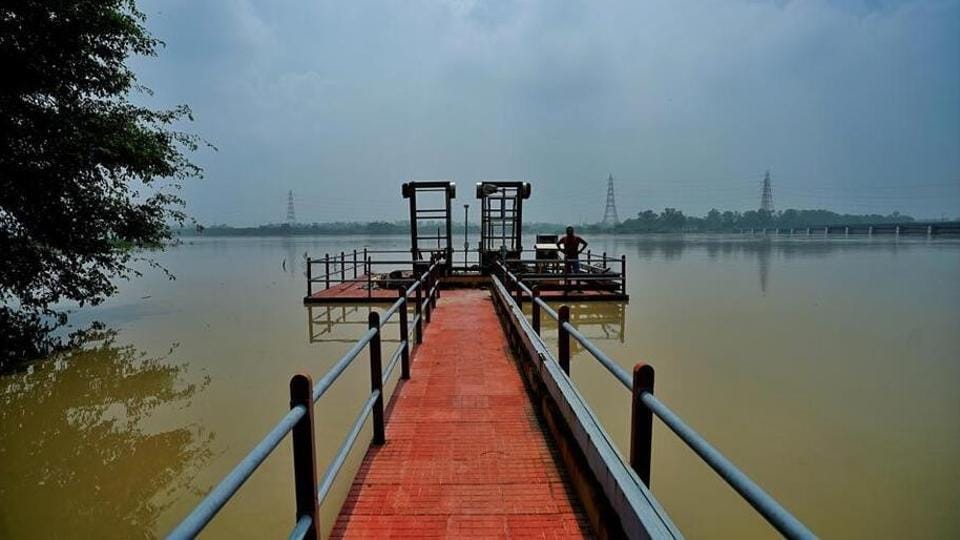
Together, the two plants in Dwarka and Chandrawal can process 155 million gallons of drinking water a day, nearly 60% of the city’s 250 MGD water demand-supply deficit.
Delhi gets most of its water from nine treatment plants with a combined capacity of 864 million gallons per day (MGD). Another 136 MGD is sourced from tubewells and borewells.
A senior official of the Delhi Jal Board said the Dwarka Phase-2 plant in south-west Delhi was ready but unlikely to become operational anytime soon due to a lack of raw water.
“The plant operationalisation would need additional water commitment via the Munak canal from Haryana,” the official added. The plant, built to treat 50 MGD at a cost of ₹280 crore, has been ready for over eight months but hasn’t supplied a drop of water.
In north Delhi, a new 105 MGD Chandrawal plant, built at a cost of ₹599 crore, was meant to work alongside the older 90 MGD facility, first built in the 1930s.
“The new plant at Chandrawal has been commissioned, but only by diverting water from the old plant. There is no additional water to operate both the new and the old facility,” the official said.
The official said the initial plan was to start trial production at the new plant when the Yamuna’s water level rose during the monsoon. “However, due to the current drop in the Yamuna’s water level, water is being diverted from the old plant to facilitate production at the new plant. The new plant is currently producing approximately 50–55 MGD of water,” an official said.
A second DJB official said the water utility was working on multiple mid-term plans to secure additional raw water for the new plants.
“We are planning to develop a series of tubewell installations in areas with a high water table, which is likely to add around 30 MGD to Delhi’s raw water supply. We have also requested Haryana to provide us with 51 cusecs of water from the irrigation quota. Thirdly, we have proposed to supply treated wastewater from Rithala STP to Haryana for irrigation purposes and, in exchange, provide raw water suitable for drinking,” the official explained.