
 E-Paper



Delhi congestion tax: You may face charges on select roads during peak hours
Delhi plans to introduce a congestion tax to ease peak hour traffic. The pilot will focus on 13 key border locations.

 Prefer HTon Google


To tackle traffic congestion, the Delhi government is planning to introduce a congestion tax to reduce traffic during peak hours.
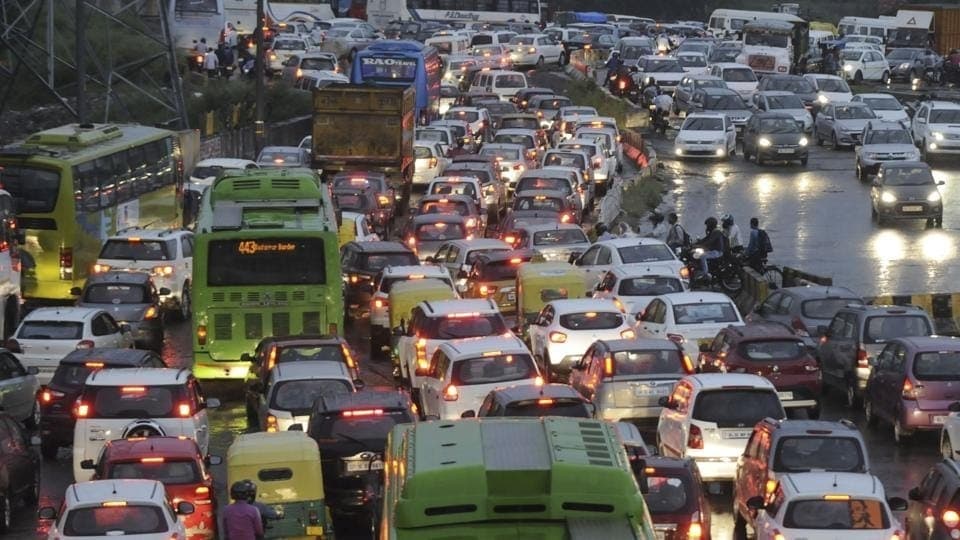
According to Shahzad Alam, special commissioner of transport, they are working on a "congestion pricing" strategy where drivers will be charged for using the specified roads during peak traffic hours.
"New fund allocation is happening for managing the transport...What we are working on is called congestion pricing," Alam told ETAuto.
In the pilot phase, 13 key locations on Delhi's borders have been identified for this.
ALSO READ- Delhi: A forgotten ‘CM house’, close to Flag Staff Rd, battles age-old jinx
Congestion tax idea not new for Delhi
The proposal for a congestion tax in Delhi is not new. A similar plan was discussed in 2018, when the then Lt. Governor Anil Baijal proposed charging vehicles entering congested road stretches during peak hours.
The aim was to ease traffic and reduce pollution. Baijal mentioned that the government was consulting experts and would seek public feedback before implementing the policy. Delhi had identified 21 high-traffic stretches, including ITO intersection and Mehrauli-Gurgaon Road, as potential areas for the tax.
In 2017, a parliamentary committee had also recommended levying a toll on congested stretches in the Capital.
Bengaluru should also impose a congestion tax: Report
Recently, a report suggested authorities in Bengaluru to impose a congestion tax to ease traffic during rush hours on high-density roads.
ALSO READ- Need to levy congestion tax to ease traffic snarls in Bengaluru: Report
The report by Karnataka’s planning department and an industry group, titled Karnataka’s Decade - Roadmap to $1 Trillion Economy, suggested using the existing FASTag system to collect the tax from non-exempt vehicles entering the city during peak hours.
The revenue could be used to improve public transport, reduce pollution, and enhance the quality of life, it said.
Cities like Singapore, London, and Stockholm have successfully implemented similar taxes to manage traffic and reduce congestion.


