
 E-Paper



Delhi doctors report rare mucormycosis in GI tract
Having the infection in the gastrointestinal tract is rare even among the rare fungal infection cases. When it does happen in severely immunocompromised people, it is usually in the stomach or the large intestine.


Not only have the cases of the opportunistic fungal infection mucormycosis, referred to as black fungus, gone up in Delhi, a city hospital has now reported two cases of a rare form of the infection in the gastrointestinal tract. The huge second wave of Covid-19 has driven a surge in cases of mucormycosis, which mainly affects those who have uncontrolled diabetes and were prescribed steroids during Covid-19 treatment.
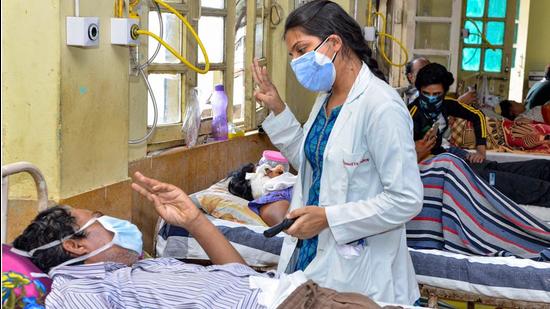
The infection is aggressive and if untreated, can kill up to 80% of those infected. In others, it can lead to loss of eyesight and deformity of facial structures as doctors debride or remove the dead tissue. Mucormycosis usually affects the nose, eye, and then moves on to the brain. The other presentation is mucormycosis in the lungs.
Having the infection in the gastrointestinal tract is rare even among the rare fungal infection cases. When it does happen in severely immunocompromised people, it is usually in the stomach or the large intestine. However, the two patients who came to Sir Ganga Ram hospital had the infection in the small intestine. Both the patients had Covid-19, were diabetics, but only one had received steroid for treatment of Covid-19.
The city has reported at least 203 cases of mucormycosis following the second wave of Covid-19, with Sir Ganga Ram hospital treating the highest number of patients. It was the first to raise an alarm in the first week of May.
A 56-year-old Delhi resident, who lost his wife and two other family members to Covid-19, started experiencing abdominal pain, which he thought was a garden-variety gastritis and took medicines at home. When he went to Sir Ganga Ram hospital, his CT scan revealed that he had a hole in his small intestine. His initial mild Covid-19 symptoms also worsened and he had to be put on ventilator support.
Dr Ushast Dhir, senior consultant in the department of Surgical Gastroenterology and Liver Transplantation at the hospital, said, “Ulceration of the jejunam (the first part of the small Intestine) in the patient raised my suspicion of the fungal disease and the patient was immediately started on antifungal treatment . We sent a portion of the removed intestine for biopsy. The biopsy confirmed our worst fear of mucormycosis in the small intestine.”
Another 68-year-old patient, who had recovered from Covid-19, started having mild abdominal pain. He was diabetic and had received steroids for the treatment of Covid-19. Although the clinical examination did not show any signs of intestinal perforations, because of a high degree of suspicion Dr Piyush Ranjan, senior consultant of gastroenterology at the hospital, got an urgent CT scan. The scan revealed a small hole in the small intestine just like the first case.


