
 E-Paper



Delhi pollution: Ban on BS-III petrol, BS-IV diesel 4-wheelers to combat 'severe' AQI; violators to be fined ₹20,000
As per the government order, violators of the ban will face prosecution and a ₹20,000 fine.

 Prefer HTon Google


The Delhi government has imposed a ban on BS-III petrol and BS-IV diesel four-wheelers from Friday, under Graded Response Action Plan (GRAP-III) to tackle the rising air pollution in the city.
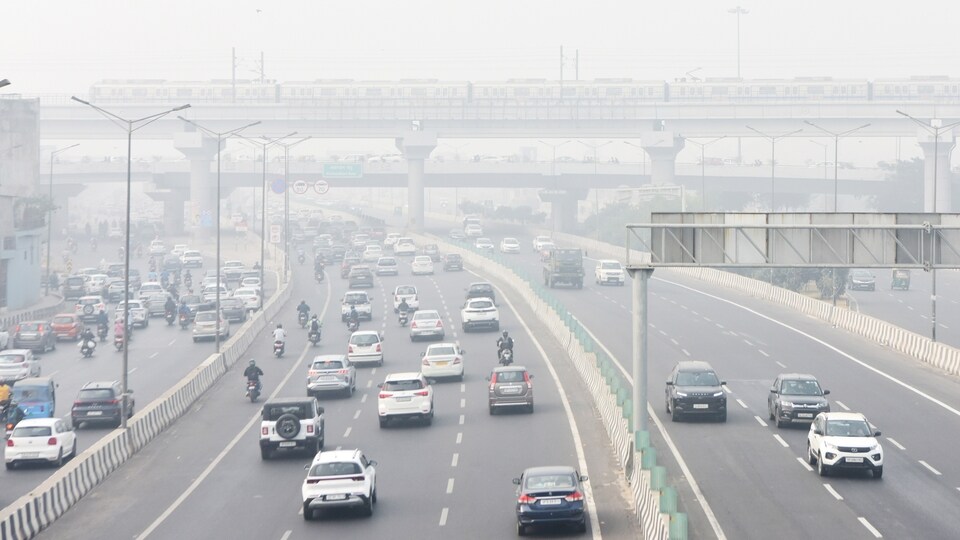
The government has also imposed a ₹20,000 fine on violators, and stated that they are liable to face prosecution under Section 194(1) of the Motor Vehicle Act, 1988.
Also Read: Delhi CM Atishi announces new timings for govt offices as air quality remains ‘severe’
The order also stated, “There shall be no plying of Delhi registered Diesel operated Medium Goods Vehicles (MGVs), of BS-III standards or below, in Delhi, except, those carrying essential commodities/ providing essential services.”
Also Read: Delhi chokes under toxic smog, AQI over 1,000 in these areas
Inter-State buses from NCR states other than EVs/CNG/BS-VI diesel will not be permitted to enter the city either, except buses or tempo travellers which have an All India Tourist permit.
Also Read: Winter gradually setting in as mercury dip continues in Delhi
The move comes after the Commission for Air Quality Management (CAQM) ordered the implementation of the Graded Response Action Plan (GRAP-III) in the Delhi-NCR on Friday from 8 am.
The plan is being implemented to improve the air quality in the national capital region after the AQI has worsened and reached the ‘severe’ category.
Under GRAP III, measures have been undertaken to mitigate pollution such as intensifying the frequency of mechanised sweeping of roads, daily water sprinkling along with dust suppressants, and proper disposal of the collected dust in designated sites/ landfills.
All demolition works, earthwork for excavation and filling including boring and drilling as well as the transportation of demolition waste have also been banned in an effort to combat the rising air pollution.
The GRAP for the national capital region classifies air quality in four categories - 'poor' (AQI 201-300);'very poor' (AQI 301-400); 'severe' (AQI 401-450) and 'severe plus' (AQ above 450).
In 2023, the city experienced ‘severe’ air quality much earlier, on November 2, as compared to this year. The new measures under will complement the other initiatives undertaken by the government for clean air until now.
The 11-point action plan being introduced will increase the frequency of sweeping, water sprinkling in high traffic areas and encourage public transport among other measures.


