
 E-Paper



DMK calls Prez’s decision to return bill ‘unfortunate’
DMK criticized President Murmu for returning the Tamil Nadu University Amendment Bill, claiming BJP is politicizing education and exploring legislative options.


The ruling Dravida Munnetra Kazhagam (DMK) in Tamil Nadu on Tuesday called President Droupadi Murmu’s decision to return the Tamil Nadu University of Madras Amendment Bill “unfortunate”, adding that it is “exploring options” on its future course of action.
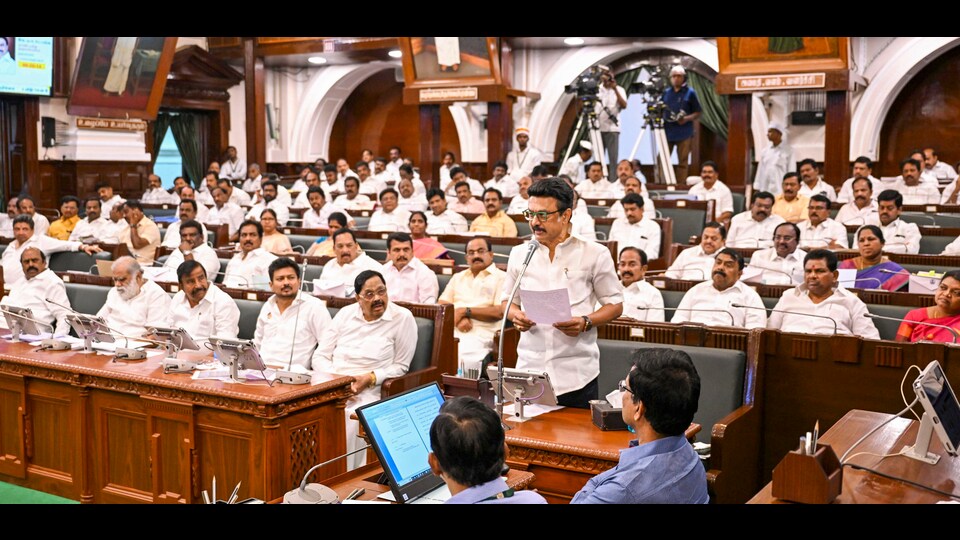
“The party is exploring options. We aren’t doing anything illegal but just implementing the will of the people,” DMK’s lawyer and spokesperson A Saravanan told HT.
“It is unfortunate that the President returned the Bill. The BJP is playing politics. They are defending it saying it will flout UGC guidelines but that’s an executive order which has no bearing on the legislative power of the state government,” Saravanan added.
The Tamil Nadu Assembly passed the Bill in April 2022. It sought an amendment in the Act by transferring the power to appoint and remove the vice chancellor from the governor to the State government by replacing “chancellor” with “government”. Earlier, governor RN Ravi had reserved the bill for presidential consideration citing concerns that the proposed move would be in conflict with the University Grants Commission (UGC) regulation and established norms governing VC appointments. Following its return, the assembly has to reconsider the proposed legislation, the official added. The Tamil Nadu assembly begins on January 20,2026, a few months before the assembly elections.
About 14 out of 22 varsities, including the University of Madras, have been functioning under convener committees in the absence of regular VCs.
The governor said that the amendment would violate regulations of the University Grants Commission (UGC) and kept it pending for a year before forwarding it to the President. “With the President returning the Bill now, we will have to consider what can be done in the legislative assembly again,” said an official.
Amid such prolonged tensions between the TN government and Governor Ravi, who had withheld assent to several state bills -- some for over two years -- and later forwarded ten of them to the President after the assembly re-enacted them, the state moved the Supreme Court earlier this year.
DMK’s INDIA bloc counterpart— the Communist Party of India (CPI), too, criticised the BJP-led Union government for using governors to control non-BJP ruled states.
“This shows the BJP government’s ideological interference in higher education,” said CPI state secretary M Veerapandian. “The Bill being returned is part of the BJP government’s plan to saffronise educational institutions.”
The state BJP unit reacted sharply to the criticism by the ruling party. “DMK shamelessly accuses and hypocritically cries foul against BJP for the President’s return of the Madras University Amendment Bill, claiming “BJP is politicizing education”—yet it’s DMK undermining Tamil students by injecting politics, destroying futures with toxic anti-NEET lies, language fanaticism, and vote-bank appeasement, sacrificing merit and progress on the altar of filthy electoral greed,” BJP leader A Prasad told HT.
“The DMK government will not rest until the Constitution is amended to fix timelines for Governors to clear Bills,” chief minister M K Stalin had said in November, reacting to the Supreme Court giving its opinion on a Presidential Reference by ruling that governors and the President cannot be bound by judicially imposed timelines. The chief minister, however, claimed that the SC’s ruling will have no impact on the April 8th landmark judgment in the case of the State of Tamil Nadu versus its governor over the issue of Ravi sitting endlessly on bills.
The Supreme Court in its April 8th judgement had struck down Tamil Nadu Governor Ravi’s decision to reserve 10 re-enacted state bills for Presidential assent after having earlier withheld approval, declaring the move “erroneous” and in violation of the Constitution. A majority of the 10 bills were related to vesting the powers of appointing vice chancellors to state varsities from the governor (the de facto chancellor) to the state government.


