
 E-Paper



Driving licence might get suspended for unpaid challans as govt mulls new rules
Collecting three challans for red light violations or rough driving within one financial year could also result in a three-month suspension of licence.

 Prefer HTon Google


Those with pending challans might see their driving licence get suspended or even confiscated with government planning stricter traffic regulations. The government has proposed a series of new regulations to penalise drivers who don't obey the rules.
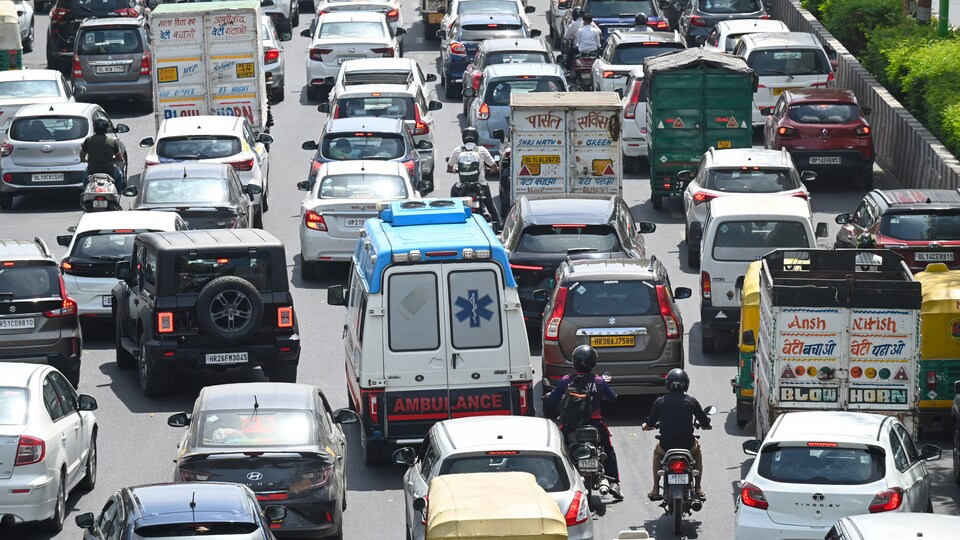
Under the new draft rules, a person's driving licence could be suspended for three months in cases of pending e-challans of over three months.
In addition, three challans for red light violations or rough driving within one financial year could also result in a three-month suspension of driving licence.
The plan is aimed at tackling low recovery rates of e-challans. Currently, only 40 per cent of fines being issued are cleared. To ensure that drivers comply with the rules, the government is also considering to hike insurance premiums for those with two unpaid challans from the previous year.
ALSO READ | Traffic violators with pending challans to be blacklisted: Mohali RTO
Under the new proposal, officials have also considered that sometimes challans might be pending due to some technical error or late notifications. The government may therefore implement a plan for a comprehensive operating procedure in this regard, to ensure pending monthly challan or fines will be alerted to vehicle owners and minimum specifications for traffic cameras.
At present, Delhi holds the first spot in lowest recovery rates for challans, 14 per cent. This is followed by Karnataka, 21 per cent, and Tamil and Uttar Pradesh, 27 per cents. Maharashtra and Haryana, however, hold some of the highest spots on this challan recovery, with a rate of 62 and 76 per cent respectively.
Crackdown on traffic violations in Delhi
The Delhi traffic police's force received a 360-degree rotatable AI-powered 4D radar-interceptor, capable of spotting traffic violations such as overspeeding, driving without seatbelt or using phone while driving. An official said that this AI technology will also issue automated e-challans to those without any human intervention, a news agency PTI report had said.
This AI-powered radar interceptor will be placed on top of police vehicles, a source said.
The interceptor features a 360-degree rotatable Automatic Number Plate Recognition (ANPR) camera, while its radar system simultaneously tracks multiple vehicles and measures their speed using advanced radio wave technology, an official said.
He added that the system also integrates with the National Informatics Centre (NIC) for automated e-challan generation, ensuring swift enforcement of traffic rules.


