
 E-Paper



Dyer or Dwyer: Who is to be held responsible for the 1919 shooting?
It’s widely believed that there would have been no Jallianwala Bagh massacre had it not been for one man who decided to teach Indians a lesson for being “wicked”.

 Prefer HTon Google


It’s widely believed that there would have been no Jallianwala Bagh massacre had it not been for one man who decided to teach Indians a lesson for being “wicked”. Ninety-one years after his death, Col Reginald Edward Harry Dyer — also called the butcher of Amritsar — remains an enigma, painted in either black or white.
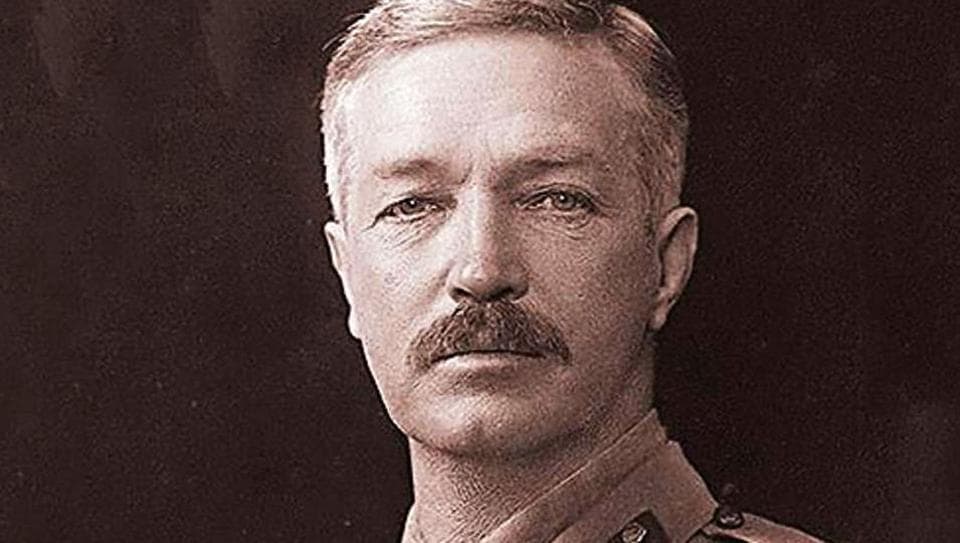
But historians say though Col Dyer was the man on the spot, it was Sir Michael Francis O’Dwyer, the lieutenant governor of Punjab, who ordered the Jallianwala massacre. According to Indu Banga, a specialist in history of Punjab: “Dwyer was an arch imperialist who was responsible for this massacre. Dyer was merely following his orders.” Banga says even after his retirement, Dwyer continued to oppose any concessions for Indians.
Also Read | Jallianwala Bagh massacre ‘a shameful act’, says UK envoy in Amritsar
Dwyer, says Banga, also raised money for a memorial to Dyer. Both men were born in 1864. While Dwyer was shot dead by Indian revolutionary Udham Singh in London’s Caxton Hall on March 13, 1940, Dyer died of cerebral haemorrhage and arteriosclerosis in 1927.
Few know that Dyer was born and raised in Punjab or that he was as well-versed in Hindustani as in English or that one of his favourite possessions was the photograph of an unnamed Sikh officer. What is well documented is his action at Jallianwala Bagh, which proved to be as much his undoing as that of the British Empire in India. Held guilty by the Hunter Commission, the moustachioed officer was forced to resign.
Also Read | ‘Cost of freedom must not be forgotten’: Rahul Gandhi pays homage to martyrs at Jallianwala Bagh
On April 13, 1919, Dyer, 55, was like a man possessed. Giving a first-hand account of the day in “Amritsar: The massacre that ended the Raj” by Alfred Draper, Dyer’s bodyguard Sergeant William Anderson recounted how the crowd seemed to “sink to the ground in a flurry of white garments”. When the soldiers had emptied their carbines, Dyer ordered them to reload and direct their fire where the crowd was the densest.


