
 E-Paper



Elderly to form 36% of population by century-end: Report
People above 60 will constitute a fifth of India’s population by the middle of the century, the report said.

 Prefer HTon Google


People above 60 will constitute a fifth of India’s population by the middle of the century and even outstrip the number of children between zero and 14, said a report released on Wednesday, warning that the rapid rise of elderly people will hold significant implications for the country’s health, economy and society.
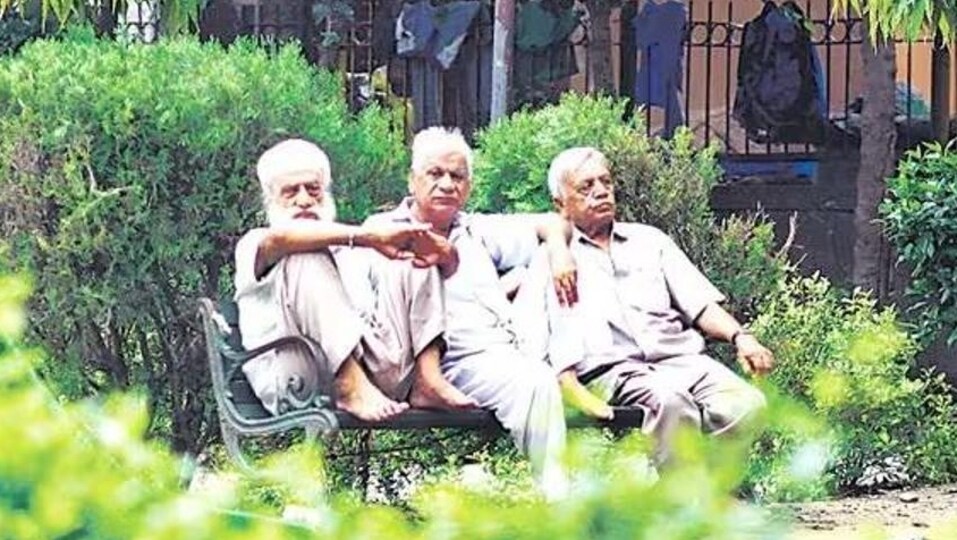
According to the ‘India Ageing Report 2023’, which was prepared by United Nations Population Fund (UNFPA) in collaboration with the International Institute for Population Sciences (IIPS), there are 149 million persons aged 60 years and above in 2022 (as on 1 July), comprising around 10.5% of the country’s population.
By 2050, the share of older persons will double to 20.8%, with the absolute number at 347 million.
“By the end of the century, the elderly will constitute over 36 percent of the total population of the country,” the report predicted,

The report projected that by 2046, the size of the elderly population in India will be higher than that of children aged 0–14. “By that time, the population share of 15–59 years will also see a dip. Undoubtedly, the relatively young India today will turn into a rapidly ageing society in the coming decades,” the report stated, recommending multiple measures to ensure an enabling and supportive environment for the elderly.
Currently, India has one of the highest populations of adolescents and young people in the world with 65% of Indians under 35, creating hopes that the demographic dividend of young and working age people will help propel the economy.
The report highlighted statewise differences in ageing population--- most states in the southern region and select northern states such as Himachal Pradesh and Punjab reported a higher share of the elderly than the national average in 2021. This gap that is expected to widen by 2036, the report added.
States reporting higher fertility rates and lagging in demographic transition, such as Bihar and Uttar Pradesh, also expect to see an increase in the share of the elderly between 2021 and 2036. However, the level will remain lower than the Indian average in these states, the report stated. .
“Compared to southern and western India, central and north-eastern regions have the younger group of states as indicated by the ageing index,” the report said. The ageing index measures the number of elderly (60+ years) per 100 children population (below 15 years) and the index score increases as the population ages.
The report highlighted various challenges faced by elderly on the basis of their demographic characteristics including gender, ethnicity and age. “Incidence of widowhood and higher life expectancy among older women are key demographic characteristics in India. Elderly widowed women are often alone with little support and also experience greater incidence of morbidities that are functionally restricting,” it said.
The report also noted the high proportion of rural population among the elderly. “Large parts of rural India are still remote with poor road and transport access. Income insecurity, lack of access to adequate and quality health care and isolation are, therefore, more acute for the rural elderly than their urban counterparts,” it said.
The report recommended wider awareness of government schemes, use of community based organisations in bridging the gaps in implementing these government schemes, eliciting beneficiary feedback on government schemes, health and financial security, deeper collaboration with the private sector, disaster preparedness for elderly, and strengthening data system on population ageing, among others.
“Older persons have contributed significantly to society, and they deserve nothing less than our best efforts to ensure their well-being,” said Andrea. M. Wojnar, UNFPA India representative and country director Bhutan,
Saurabh Garg, secretary of the social justice ministry, said that as the country ages, it is important to ensure our elderly population gets access to care and support they need to live healthy, dignified, and fulfilling lives.


