
 E-Paper



'War is not Bollywood movie’: Ex Army chief on Operation Sindoor
General Naravane said that following the ceasefire understanding between India and Pakistan, it remains to be seen how things will unfold from here.

 Prefer HTon Google


Former Chief of Army Staff, General Manoj Mukund Naravane, said that Operation Sindoor sent a strong message to Pakistan to stop engaging in misadventures across the Line of Control and demonstrated the heavy price one has to pay for continuing on the path of aggression.
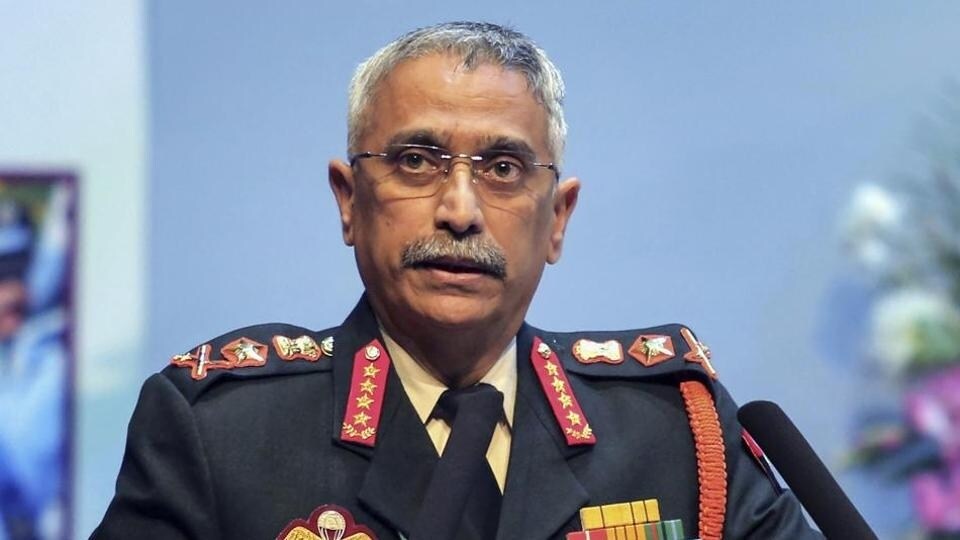
General Naravane made the remarks during the Diamond jubilee celebration of the Institute of Cost Accountants of India in Pune.
Track live updates of India-Pakistan news here.
He said that following the ceasefire understanding between India and Pakistan, it remains to be seen how things will unfold from here.
"Last week have been a tumultuous week starting with operation Sindoor where the Indian Armed forces strikes on the terrorist camps and infrastructure in Pakistan and POK followed by four days of intense aerial and land battles ..finally culminated with announcement of cessation of military operations ..this is cessation of military operations not the ceasefire we will have to wait and watch how things unfold in the days and weeks to come," ANI quoted him as saying.
Also read: Satellite images show damage India wrought on Pakistan military
‘War not your Bollywood movie’
While talking about the toll a war can take and the kind of trauma it can leave behind, General Naravane said that wars are not like Bollywood movies.
"War is not your Bollywood movie, wars are not romantic; it is serious business," he said.
"Children lose their parents, and sometimes children themselves become victims of indiscriminate shelling," he added, highlighting how wars can traumatise generations of people.
Also read: What PM Modi told US vice president JD Vance during May 9 phone call
General Naravane also stressed upon the financial impact of warfare and the human costs that come with it. "War is an expensive business," he said.
Talking about the financial toll of a war, General Naravane brought up the loss of military equipment worth millions of dollars and how the wars leave behind a long-term economic burden of rebuilding.
However, he added that investing in defence and military is important to avoid conflict. "The debate over how much to spend on defence versus education, healthcare, and sanitation is a long-standing one. Defence expenditure is not wasteful but rather an essential "insurance" for the country. A well-prepared military helps avoid conflict and also boosts the local economy. War is expensive, and its aftermath is even more costly. Therefore, such investment is crucial for national security," he said.
Importance of diplomacy during war
General Naravane emphasised on the need of diplomacy during a war while responding to a discussion over why India didn’t go for an all-out war against Pakistan. He said going to war wouldn’t be his first choice and that diplomacy should be the first approach.
"As a military man, if ordered, I will go to war. But that would not be my first choice," he said.
With ANI inputs.


