
 E-Paper



'First, they captured TV networks and now…': Kapil Sibal on tweaked IT Rules
The government has notified rules under which it will set up appellate panels to redress grievances that users may have against decisions of social media platforms on hosting contentious content.

 Prefer HTon Google


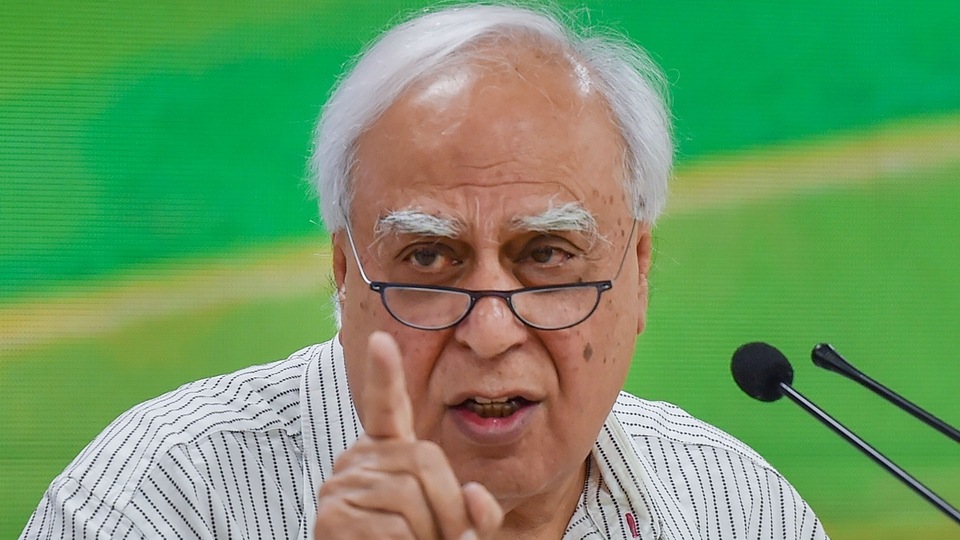
Kapil Sibal, Rajya Sabha MP and former Union information technology minister, on Saturday hit out at the Centre for the latest amendment of IT Rules alleging that it is the “comprehensive capture of media”, news agency ANI reported.
On Friday, the government notified rules under which it will set up appellate panels to redress grievances that users may have against decisions of social media platforms such as Twitter, Facebook, YouTube and Instagram on hosting contentious content.
“First, they captured the TV networks and now, they are going to capture social media platforms. It's the comprehensive capture of media,” ANI quoted Sibal as saying.
Taking a dig at the Centre, the former Congress leader said, “We are moving towards one code of conduct, one political party, one system of governance and no answerability to anyone.”
He added, “Safe for the government and unsafe for others, that's what the policy of this government always has been... The only platform left for ordinary citizens was social media; when statements defamatory are made... people will be prosecuted.”
Union minister Rajeev Chandrasekhar, however, claimed that the amendment of IT rules will put more definite due diligence obligations on social media companies to make efforts that no unlawful content or misinformation is posted on their platforms.
On the formation of three-member Grievance Appellate Committees (GACs), the minister said the move was necessitated as the government is aware of lakhs of messages from citizens where grievances were not responded to by social media firms despite complaints.
"That is not acceptable," Chandrasekhar said at a briefing.
He added that the government wants social media companies to work as partners to ensure the interests of “digital nagriks” are ensured.
"The obligations of intermediaries earlier was limited to notifying users of rules but now there will be much more definite obligations on platforms. Intermediaries have to make efforts that no unlawful content is posted on the platform," he said.
(With inputs from ANI, PTI)


