E-Paper



France to send more liquid oxygen, oxygen plants and concentrators
This is the “largest solidarity operation” that France has carried out since the beginning of the pandemic and it reflects the “long-standing, two-way solidarity” between the two countries that is at the “heart of our strategic partnership”, said a statement from the French embassy

 Prefer HTon Google


France said on Monday it will deliver at least 16 more oxygen generation plants and step up the supply of liquid oxygen as additional support for India to cope with a second wave of Coronavirus infections.
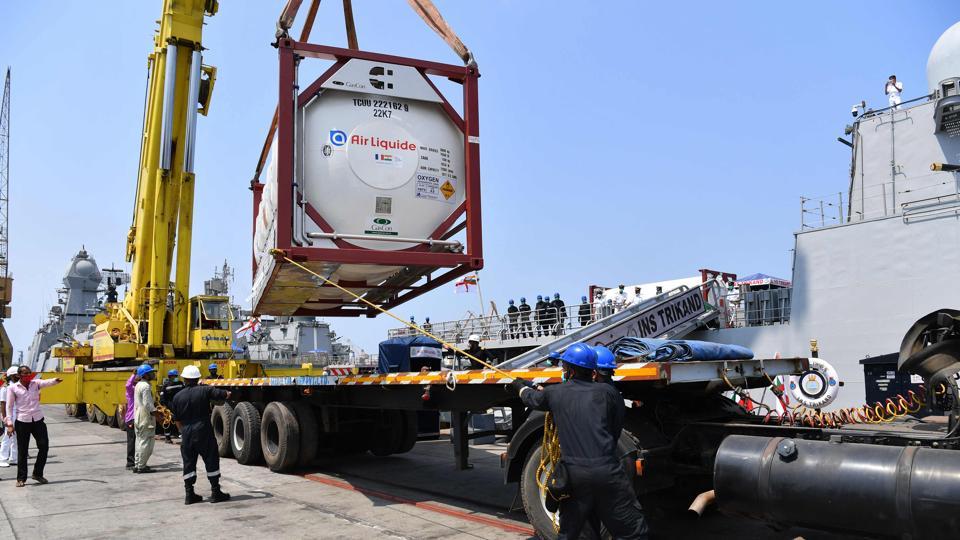
This is the “largest solidarity operation” that France has carried out since the beginning of the pandemic and it reflects the “long-standing, two-way solidarity” between the two countries that is at the “heart of our strategic partnership”, said a statement from the French embassy.
A special cargo flight with 10 oxygen generation plants is set to reach India in mid-June and another flight will follow with more plants. Each of these high capacity plants produces 24,000 litres of oxygen an hour non-stop and can make a 250-bed hospital self-reliant in oxygen for a dozen years.
France delivered eight oxygen generation plants in early May and plans to deliver at least twice as many in the coming week, the statement said. The support provided by the plants brings immediate relief and long-term capacities, it added.
Over the past three weeks, an oxygen bridge set up across the Indian Ocean by France and India has brought in 180 tonnes of liquid oxygen donated by the French multinational Air Liquide from a facility in Qatar.
Containers are filled in Qatar, shipped to India by the Indian Navy and then brought back empty by the Indian Air Force for refilling. This supply of liquid oxygen is being extended until the end of June, which will enable the delivery of several hundred tonnes of oxygen.
Also Read | Covid-19: Should India start opening up?
France will also deliver several hundred oxygen concentrators and high-grade ventilators to India in the coming days.
The additional support is being provided at the request of President Emmanuel Macron so that the two countries can continue fighting the second wave of the pandemic together, the statement said. The total support from France, including contributions from the government, individuals, NGOs, private companies and French regions, amounts to more than ₹55 crore.
French ambassador Emmanuel Lenain said: “As discussed between President Macron and Prime Minister [Narendra] Modi in their May 26 call, France is doubling its support to India against the pandemic. It shows the solidarity of the French people, who have not forgotten that India helped us when France faced its first wave.
“There cannot be global victory against the virus without India. Together, we can show the way of international cooperation against the pandemic and the need for a multilateral response.”
France’s solidarity mission, which is part of the European Union’s (EU) coordinated response to the Covid-19 crisis, pools the resources of the French government, more than 50 French companies active in India and the Indo-French Chamber of Commerce and Industry. The EU had activated its Civil Protection Mechanism, which responds to emergencies in Europe and beyond, last month in response to a request from India.