
 E-Paper



Friends first: India adopts ‘HCQ model’ to send Covid vaccines to neighbours
India is expected to supply the Covid vaccine on a commercial basis as well as assistance

 Prefer HTon Google


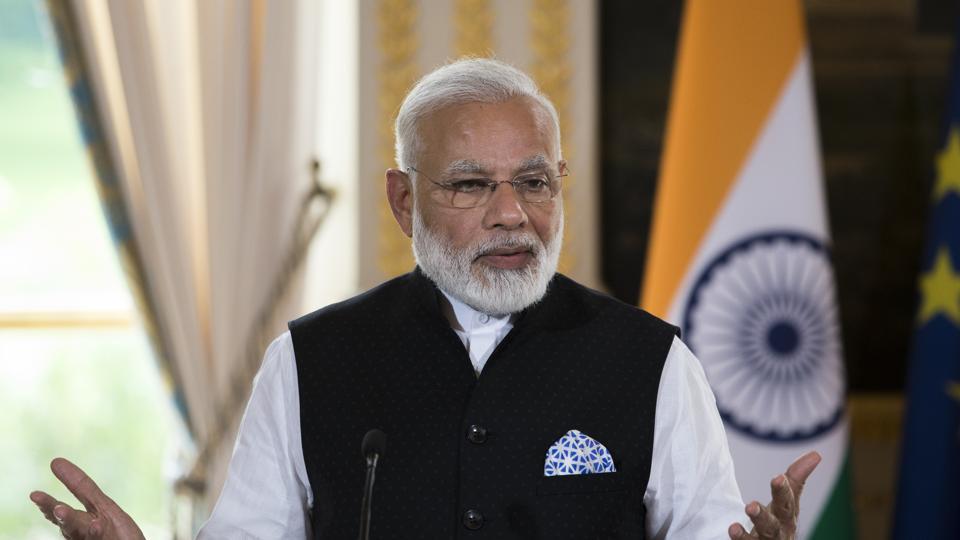
India will adopt the ‘HCQ model’ to give other countries access to Covid vaccines being manufactured in the country in line with Prime Minister Narendra Modi’s pledge to make the shield against coronavirus available to all humanity. India’s neighbours and closest friends would, however, be given the first priority after setting aside the vaccine needed for people in the country, people familiar with the matter said.
India had adopted the same format to make Hydroxychloroquine (HCQ) available to friendly countries after studies indicated that the anti-malaria drug could be used as a prophylaxis. Besides sending HCQ supplies as assistance, India had commercially supplied half a billion HCQ tablets to 82 countries.
India’s commitment to supply 12 million doses of the vaccine to Nepal, which will be conveyed to Kathmandu when foreign minister Pradeep Gyawali lands in New Delhi next week, is part of this template.
Foreign secretary Harsh Vardhan Shringla had indicated the broad contours of this approach to extend India’s vaccine umbrella to countries in south Asia when he travelled to Nepal late last year. “The first priority will be for our closest neighbours, our friends,” Shringla had said.
Indian diplomats said this format would be replicated elsewhere in the region but the terms of the arrangement could be different. There could be a certain quantity of the vaccine that is made available on a grant basis while the rest would be on a commercial basis.
Bangladesh, which had contracted for 30 million doses, has granted approval to the Oxford-AstraZeneca vaccine manufactured by the Serum Institute of India. The vaccines are expected to start landing in Dhaka from early February, according to reports from Dhaka.
The Sheikh Hasina government had logged out of clinical trials for Chinese vaccine Sinovac after the manufacturer Sinovac Biotech demanded that Dhaka co-fund the late-stage domestic trial of its potential vaccine. Bangladesh subsequently declined to opt for the Chinese vaccine beyond the 1.1 lakh doses that it was to get free according to the arrangement to allow the trials in the country.
The company’s demand that Dhaka should pay for the trials was also contrary to President Xi Jinping’s stated position articulated at the World Health Assembly when he had called the Chinese vaccine a “global public good”, an attempt to recast the narrative around coronavirus in its favour in face of criticism for Beijing’s initial handling of the infection first report from the central Chinese city of Wuhan.
Myanmar has, however, kept its options open and has announced a deal to source vaccines from the Serum Institute of India (SII).
“The purchase contract for buying the first batch of the vaccines from India has already been signed. As soon as the authorities concerned in India have issued permission to use this vaccine, we have made arrangements for the import of these vaccines into Myanmar,” announced, State Counsellor Daw AungSan Suu Kyi in her New Year address to the nation. Myanmar already has a pact in place to buy vaccines from China.
Myanmar has also asked the World Health Organisation’s COVAX programme and the Global Alliance for Vaccines and Immunisation to secure vaccines for its poor. These, however, are expected to arrive by April.
Brazil, which had been facing complications around the Chinese vaccines, has also reached out to New Delhi for vaccine consignments of the AstraZeneca-Oxford vaccine made by the Pune-based SII.
Pakistan, as expected, is relying heavily on the Chinese vaccines that are being supplied abroad, according to communist party-linked Global Times, to recoup the cost of giving free vaccinations to the Chinese people.
A Global Times article that attributed India’s plans to use the India-made vaccine for political brand-building and counter the international influence of Chinese vaccines, grudgingly acknowledged India’s expertise in the vaccine business.
“Experts suggested that India’s vaccines are no less competitive than Chinese COVID-19 vaccines in both research and production capacity, considering that India has the world’s largest vaccine manufacturer and lower costs in labor and facilities,” the Global Times report said.


