
 E-Paper



Goa child rights commission seeks answers as kids risk missing out on mid-day meals
The Goa child rights body told the government to sort out the dispute around payments to the suppliers and report compliance within a fortnight


PANAJI: The Goa State Commission for the Protection of Child Rights on Thursday asked the education department to respond to a news report that mid-day meal suppliers have threatened to stop supplies to schools over unpaid dues and rising costs.
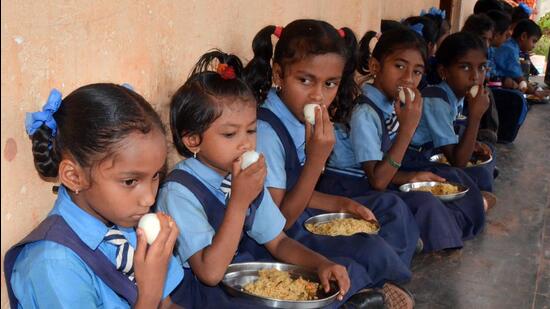
“The commission acknowledges the efforts of the Directorate of Education to expedite and resolve this, but the facts mentioned in the news report are alarming and hint to very serious
issues which require long-term policy intervention. More than two decades have passed since the mid-day meal became a part of the daily routine in schools statewide. In this long passage of time, procedures should have stabilised but hurdles continue to occur,” commission chairperson Peter Borges told the education department. It sought a “compliance report within 15 days.
Mid-day meals in Goa schools are provided by self-help groups that cook the food and supply it to schools at an agreed price.
However, at a meeting of self-help groups, the suppliers issued a warning that unless their pending dues are cleared and the price raised, they will find it difficult to break even.
“Back in June, the government promised us that the rates will be hiked. But it is now nearly November and there is no sign of the hike,” a supplier said.
The government pays suppliers ₹8 for every meal; the suppliers are demanding this be raised to ₹10.
The education department said the increase has been approved by the government and will be implemented as soon as the chief minister, who holds the education portfolio, signs off. “The pending dues will also be cleared early next week,” an education department official said.
The state’s child protection commission chairperson said in his letter that the government should treat the meals as charity. “Mid-day meals play an important facilitating role in the universalization of elementary education by enhancing enrolment, attendance and retention, contributing also to better educational achievements by improving the nutritional status of children. The mid-day meal scheme has a great transformative potential and should not be perceived as charity, but a right of the children and a civic responsibility,” the commission said.


