E-Paper



Govt forms clinical research team for better insight into Covid-19 pandemic
The country’s National Task Force on Covid-19, which is a group of technical experts reviewing important decisions regarding Covid-19, has recommended the establishment of the collaborative that would need to be coordinated by ICMR.

 Prefer HTon Google


India is putting in place a hospital-based clinical research collaborative, the ‘India Covid-19 Clinical Research Collaborative Network’, to enhance the clinical understanding of the coronavirus disease (Covid-19) in the country to develop India specific treatment protocols, and push research and development in the field of drug development for the viral infection.
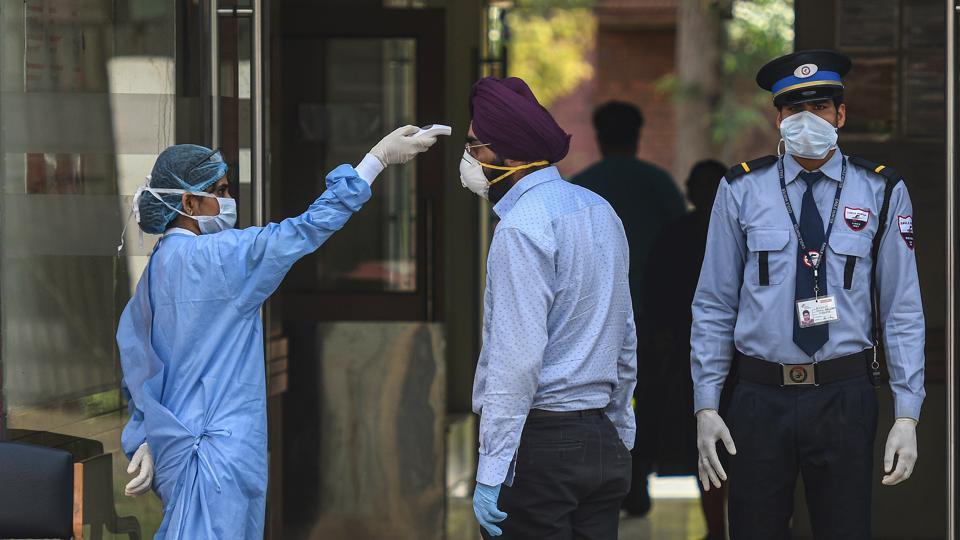
The country’s National Task Force on Covid-19, which is a group of technical experts reviewing important decisions regarding Covid-19, has recommended the establishment of the collaborative that would need to be coordinated by the country’s apex biomedical research organisation, the Indian Council of Medical Research (ICMR).
“The goal of this network is to develop specific clinical management protocols and further research and development for therapeutics. For this purpose, a central database of clinical and laboratory parameters of hospitalized Covid-19 cases is being created,” read a statement from the ICMR.
All hospitals currently admitting in isolation wards, and treating, Covid-19 patients are being invited to become partners in the network. The research regulator has made public a link- https://forms.gle/LHByZkR41UPHqX9FA- taking them to a registration forms that must be filled byhospitals interested in becoming a part of the research network.
“This is clinical research mostly using data at the hospital level, involving those who are directly dealing with patient management to know what kind of cases are coming to hospitals, with what symptoms. What is working in terms of treatment and what is not, among other things,” said a senior scientist at the ICMR.
According to the data available so far, close to 80% Covid-19 positive cases will develop mild symptoms, about 15% will develop severe symptoms, such as breathing difficulty, requiring hospitalisation, and about 5% will be critical enough to develop serious pneumonia, and need oxygen support or ventilator support.
“There is a lot we know so far and a lot more that needs to be known further. The research will keep on evolving, and we will get to know new things about the virus and disease pattern with every new research coming out on Covid-19. It will be an ongoing process,” the scientist said.
However, registering for the collaborative does not mean a hospital or a laboratory is exempt from furnishing other patient details to the authorities.
“It is over and above the usual testing and disease management protocol that need to be followed while dealing with Covid-19 suspected or positive cases,” said the ICMR scientist.
Hospitals should continue to independently report relevant data to central and state health authorities as per current guidelines that includes local integrated disease surveillance programme units on a real time basis, says the circular.