
 E-Paper



Govt rejigs fertiliser-subsidy regime to continue offering crop nutrients at below-market rates
India relies on import of raw materials for crop nutrients as well as finished products and compensates fertiliser companies who sell them at below-inflation rates.


The Union government has revamped parts of its subsidy regime for fertilisers and crop nutrients to continue providing them at below-market rates, while rolling over special discounts announced for the summer-sown season to the oncoming winter-sown months, according to an official statement on Thursday.
International prices of raw materials for some key crop nutrients such as di-ammonium phosphate (DAP) and 22 grades of P&K fertilisers have been increasing for over 18 months, trade data show. Most of these fertilisers have seen a jump of over 50% in prices, forcing the government to expand subsidy.
India relies on import of raw materials for crop nutrients as well as finished products and compensates fertiliser companies who sell them at below-inflation rates.
Subsidised rates under the so-called nutrient-based subsidy regime -- the mechanism by which the Centre disburses the subsidy to manufacturers – will be extended to the winter-sown season at a cost of ₹28,602 crore, the government’s calculations show.
This means while prices will be allowed to be increased, the roll-over to October 2021 to March 2022 period will keep the retail per kg subsidy rates for a group of nutrients known as nitrogen-phosphorus-potassium unchanged.
The second key change is the inclusion of potash-derived from molasses or PDM, a crop nutrient derived from sugarcane waster matter, under the nutrient-based subsidy scheme for the first time.
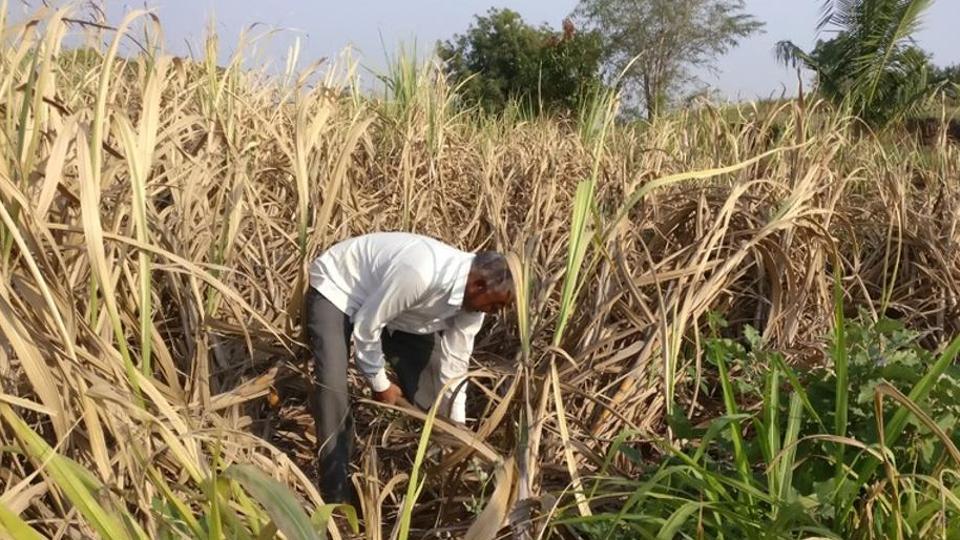
India’s is the world’s second-largest cane grower after Brazil. Potash extracted from sugarcane waste will reduce India’s reliance of 100% import of more than 4.2 million tonne of mineral-based potash, an essential crop nutrient which is critical for India’s food security.
“This decision will improve the income level of sugarcane growers and sugar mills,” the official statement said.
A “special one-time package” for additional subsidy on di-ammonium phosphate or DAP at a projected additional cost of ₹5,716 crore along with an additional subsidy on three most consumed fertilisers called NPK worth ₹35115 crore has been approved by the Modi government. The total fertiliser subsidy on account of these new steps could go up to ₹36,000 crore, an official said.
A central team is monitoring availability of fertilisers in the country on a daily basis, according to the official. The government has already directed all the fertilisers companies to ensure the availability of these fertilisers in the market for farmers and sell all old stocks at old prices.
“We expect a nearly 10% increase in fertiliser demand,” an official of the agriculture ministry said.


