
 E-Paper



Delhi-NCR imposes GRAP-1 anti-pollution curbs as AQI turns ‘poor’ in May
Delhi’s Air Quality Index (AQI) was recorded at 208 on May 19, placing it in the “poor” category.

 Prefer HTon Google


With Delhi’s air quality slipping into the “poor” category, the Commission for Air Quality Management (CAQM) on Tuesday enforced Stage-I measures under the Graded Response Action Plan (GRAP) across the entire National Capital Region (NCR).
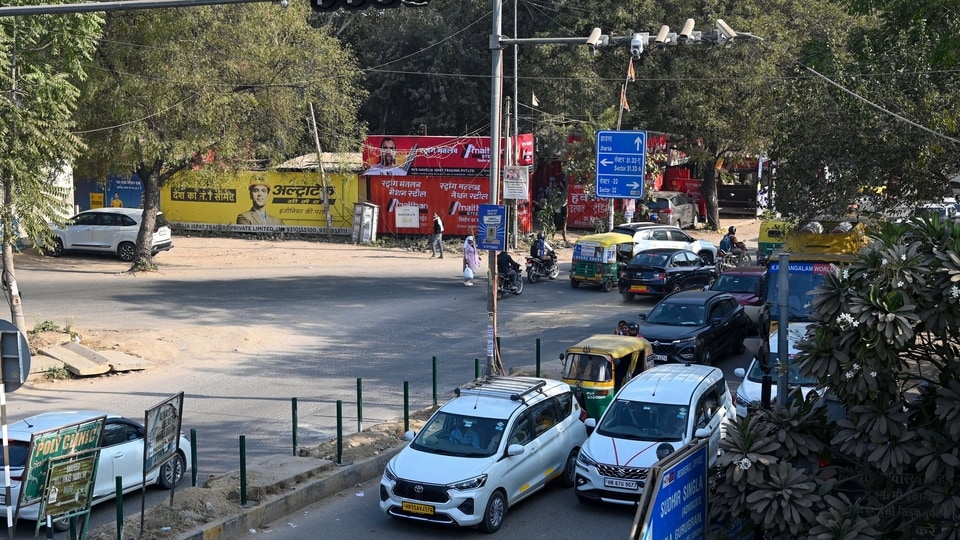
Delhi’s Air Quality Index (AQI) was recorded at 208 on May 19, placing it in the “poor” category, while forecasts by the India Meteorological Department (IMD) and IITM indicated that air quality is likely to remain in the same range over the coming days.
Also Read | GRAP-3 pollution curbs revoked in Delhi-NCR as air quality improves
The CAQM said all actions under Stage-I of the existing GRAP framework will be implemented with immediate effect and monitored closely by agencies concerned to prevent any further deterioration in air quality levels.
Authorities have also been directed to intensify anti-pollution measures and maintain strict vigilance, while citizens have been urged to follow the GRAP Stage-I citizen charter.
Key restrictions of Stage -1 GRAP?
Stage-1 of GRAP focuses on cutting pollution at its source, especially from dust, vehicles, and industrial emissions. The following restrictions are now in place across the National Capital Region:
- Dust control is mandatory at all construction and demolition sites. Projects larger than 500 square metres must have an approved dust management plan.
- Open burning of garbage, leaves, and other waste is banned
- The use of coal or firewood in roadside food stalls and commercial kitchens is prohibited. Hotels, restaurants, and open eateries must use only electricity, gas, or other clean fuels for cooking.
- Diesel generators are restricted, except for essential or emergency use.
- Vehicles that visibly pollute the air can be fined or impounded.
- Traffic regulations include deployment of traffic police at key intersections and instructions for drivers to switch off engines at red lights.
- Diesel vehicles older than 10 years and petrol vehicles older than 15 years remain banned in Delhi.
- Residents are advised to turn off engines at red lights and avoid idling. Prefer hybrid or electric vehicles to reduce emissions.
- Firecrackers are banned across NCR until January 1, 2025 - including production, sale, and storage.
- Polluting industries and thermal power plants within 300 km of Delhi face enforcement action.
- Report pollution-related issues using the Green Delhi App, SAMEER App, or by dialing 311.


