E-Paper



Gujarat tribe members home years after fleeing fearing collective punishment
Members of the Kodarvi tribe fled Mota Pipodara village in Banaskantha in 2014, fearing collective punishment under Chadotara, a conflict resolution system in some tribal areas

 Prefer HTon Google


Around 300 members of Gujarat’s Kodarvi tribe have returned to their native Mota Pipodara village in Banaskantha, 11 years after they fled following a murder, fearing collective punishment under Chadotara, a conflict resolution system in some tribal areas.
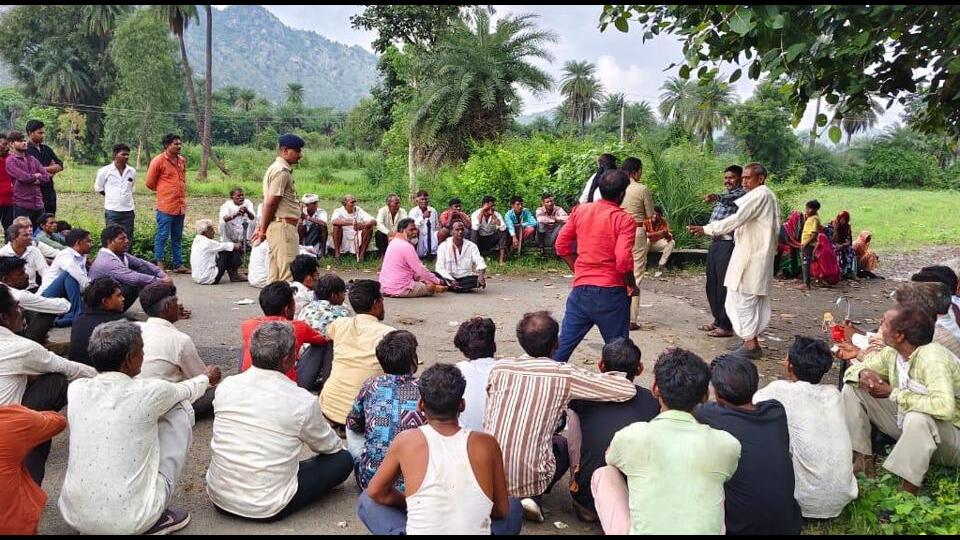
A village council invoked Chadotara and held the Kodarvis responsible for the murder of a man at a late-night gathering of four friends from the Dabhi, Thakor, and Kodarvi communities in 2014. Twenty-nine Kodarvi families fearing violence soon fled Mota Pipodara, leaving behind 8.5 hectares of farmland and their homes. “The houses fell into disrepair. The land was taken over and cultivated by members of the other community,” said additional police superintendent (Banaskantha) Suman Nala.
There was no trial or inquiry. Police said that the process works by consensus, not evidence. A Kodarvi man arrested over the murder was acquitted in 2017, but it had no impact. Compensation under Chadotara is sometimes allowed to settle matters, not necessarily from the guilty, but from the group to which the alleged wrongdoer belongs. A retaliation, if decided, is not necessarily aimed at the accused but at any member of the group.
Nala said it is not about the guilty but about someone having to answer and suffer. “There are instances where a person died from a snake bite in a field, and the community owning that field was blamed.”
For over a decade, the 29 families struggled in Surat, Palanpur, and Danta, working as daily wage labourers and in rented or makeshift shelters. The process for their return began when Nala learned from her house help, who is from Mota Pipodara, about the yearning of Kodarvis to return home. Nala soon reached out to the village council and elders from the communities involved for reconciliation.
A series of meetings paved the way for the unconditional return. Police worked with district administration, NGOs, and residents to facilitate the homecoming. The Kodarvi farmlands were surveyed and cleared for cultivation. Two of their homes have been built, and 27 more are planned under a central government scheme with the support of NGOs and community contributions.
Officials said electricity connections will be provided free to each household. Hand pumps and bore wells will ensure access to drinking water. Gas connections will also be provided under another government scheme.
Gujarat home minister Harsh Sanghavi, who attended the homecoming programme in Mota Pipodara on Thursday and distributed ration kits to the returning families, said this was not just about bringing people back. “It was about healing old wounds and building a future of harmony.”
NGOs have contributed ₹30 lakh for rehabilitation and village development. Officials said the government will contribute ₹40 lakh. A new community hall, a concrete road, and LED street lights have been sanctioned for the Kodarvi area.