E-Paper



Have entered phase that may end in 6th mass extinction, says IPCC co-chair
The number of people at risk from climate change and associated loss of biodiversity will progressively increase, he said


The world has entered a phase that could end in the sixth mass extinction event, according to the latest climate evidence presented on Monday by the Intergovernmental Panel on Climate Change (IPCC) report. Two species are illustrative of this — the white subspecies of the lemuroid ringtail possum disappeared after the 2005 heatwaves in Australia, and the Bramble Cay Melomys (Melomys rubicola) was not seen after 2009 with sea-level rise and storm surge leading to the first climate driven extinctions. Endemic species are at greatest risk of extinctions according to IPCC.
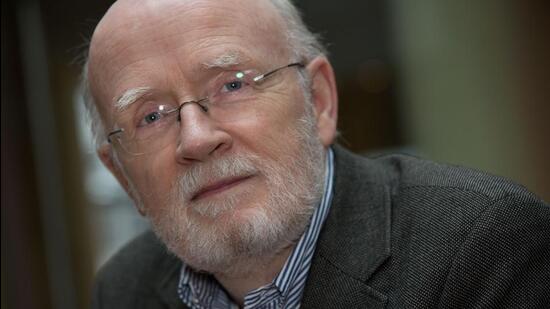
The increased frequency, intensity and duration of extreme events such as heatwaves and droughts have driven mass mortalities in trees and corals, and in hundreds of local extinctions, IPCC said. Hans-Otto Pörtner, co-chair, IPCC, Working Group II, told HTthat he hopes the world hears the message from scientists that any further delay in concerted global action will mean missing a rapidly closing window to securing a liveable future.
Edited excerpts:
How has the 1.1 degrees Celsius (°C) warming impacted biodiversity so far?Global warming of 1.1°C has already caused dangerous and widespread disruption in nature. About half of plants, animals and marine species studied globally are moving poleward or, on land, to higher altitudes to find conditions they can survive in. The increased frequency, intensity and duration of extreme events, such as heatwaves and droughts, have driven mass mortalities in trees and corals, and hundreds of local extinctions. Some losses attributed to climate change are already irreversible – we have documented two species that have become extinct because of climate change. Perhaps as worrying is the fact that climate change interacts with other pressures such as deforestation, habitat destruction, pollution and overfishing to increase the overall threats to nature.
Are we seeing the start of the sixth mass extinction? How are such localised loss of species and extinctions expected to impact humans?There is no doubt that we face many unavoidable climate hazards over the next two decades with warming of 1.5°C. The risk of biodiversity loss in forests, kelp and seagrass, Arctic sea-ice and warm-water corals is expected to increase. The number of people at risk from climate change and associated loss of biodiversity will progressively increase. However, the risks to nature and people depend more on their vulnerability and exposure to climate hazards than to the level of warming so the message here is that there are things we can do to minimise the impacts to biodiversity and people’s lives by acting now to adapt to climate change. Altogether we have entered a phase that may end in the sixth mass extinction, but ambitious action now can stop this development.
(According to American Museum of Natural History, there have been 5 mass extinctions in the past: About 445 Million Years Ago: Ordovician Extinction; about 370 Million Years Ago: Late Devonian Extinction; 252 Million Years Ago: Permian-Triassic Extinction; 201 Million Years Ago: Triassic-Jurassic Extinction; 66 Million Years Ago: Cretaceous-Paleogene Extinction)
What does approaching tipping point mean? Which ecosystems are approaching tipping points?More frequent and intense extreme events, superimposed on longer-term climate trends, have pushed sensitive species and ecosystems towards tipping points which would take them beyond their capacity to adapt, causing abrupt changes -- some of which would be irreversible over decades to millennia. One of the most obvious irreversible tipping points is the species being driven to extinction by climate change. I’m a marine biologist and so let’s look to the ocean for examples of tipping points. Here I see tipping points being approached because of marine heatwaves which have driven repeated mass coral-bleaching events in many parts of the world. Although corals can survive bleaching and recover, this takes time; so when bleaching recurs frequently, corals are more likely to die. The progressive disappearance of the warm water coral reefs indicates that they are beyond their tipping point in several regions. As ocean warming and acidification accelerate, corals will increasingly lose their ability to keep pace with sea-level rise. Rising sea levels will cause more erosion along our coasts and beaches will be lost – some of these are turtle nesting sites.
How are these widespread impacts on biodiversity and ecosystems likely to impact human health?We rely on nature for so much. It’s a food source, it pollinates our crops, it gives us clean air, it can protect our coastlines, and of course it absorbs and stores carbon as well which helps us regulate the climate. It does an amazing job. But it’s under pressure, and loss of ecosystems and their services have cascading and long-term impacts on people globally, especially for Indigenous Peoples and local communities. Focusing on health specifically, climate change is increasing vector-borne diseases – for example malaria and dengue – and water-borne diseases. It is contributing to undernutrition, mental health disorders and allergies in Asia by increasing the hazards such as heatwaves, flooding and drought, and air pollution, in combination with more exposure and vulnerability. Increases in heavy rainfall and higher temperatures will further increase the risk of diarrhoea, dengue fever and malaria in tropical and subtropical Asia. More hot days and intense heatwaves will increase heat-related deaths in Asia.
How is the Indian monsoon impacted by climate crisis? Is it also approaching a tipping point?In the second half of the 20th century, the South and South-east Asian monsoon has weakened, primarily due to air pollution. In the long term, South and South-east Asian summer monsoon precipitation will increase.
Personally, how did you deal with the stress and anxiety of documenting impacts on ecosystems?As a marine biologist, I’m very aware of the devastating impacts of climate change on the ocean, and what I know is that these are going to get worse because the ocean reacts slowly to the changing climate. My research gives me the evidence; I read evidence from other scientists, but I never get used to it. What has also struck me in the five years that I have been co-chairing this working group which focuses on the impacts of climate change is the overwhelming evidence now of the threat it poses to our own well-being. That is difficult to deal with sometimes. By bringing together 270 authors and sharing our growing scientific knowledge with policymakers and society more widely, I would like to think I am playing a part in highlighting the impacts but, perhaps most importantly, explaining what we can do about them. I hope that the world hears our message that any further delay in concerted global action will miss the rapidly closing window that we have to secure a liveable future.
What can governments do to reverse these impacts?As we explain in this report, some of these impacts of irreversible, but if we want to avoid mounting losses, we have to act now. The key to success is having a healthy planet – conserving between 30% and 50% of our land, freshwater systems and oceans. But conservation has to be effective and equitable so that we safeguard nature and, at the same time, make sure that people can still make a living from the land. And of course this has to go hand in hand with reducing greenhouse gas emissions and adapting to the changing climate. However, our message to governments in this report is very clear – if we limit warming and adapt to climate change it can help deal with poverty, end hunger, ensure that more people have clean water. This will be challenging, but we know what to do.
What do we expect in a 1.5°C warming scenario?I don’t always like to focus on 1.5°C because it makes it seem like a cliff edge. In fact, every small increase in warming – every fraction of a degree – makes a difference. However, what the evidence shows is that, on land, 9% of the thousands of species assessed are likely to face a high risk of extinction at 1.5°C, and given that the risk of extinction in biodiversity hotspots increases by about 10-fold as warming risks from 1.5°C to 3°C.
Are we at the point of no return?There is no doubt that climate change is a threat to our well-being and the health of the planet and we are not on track to secure a liveable world. However, we can turn this around – I describe this as the decade for action. If we make rapid, deep cuts in greenhouse gas emissions to limit warming and if we take action to adapt to the risks we face from the changing climate, we can also tackle some of the other threats we face, for example we can reduce poverty and hunger, improve people’s health and provide more people with clean energy and water. Isn’t that an exciting prospect?