E-Paper



HbA1c alone may mislead diabetes diagnosis: Study
India’s over-reliance on glycated haemoglobin (HbA1c) test alone for diagnosing and monitoring type-2 diabetes could result in underdiagnosis, delayed treatment and avoidable complications for millions, according to a new study published in The Lancet Regional Health-Southeast Asiaon Monday.

 Prefer HTon Google


India’s over-reliance on glycated haemoglobin (HbA1c) test alone for diagnosing and monitoring type-2 diabetes could result in underdiagnosis, delayed treatment and avoidable complications for millions, according to a new study published in The Lancet Regional Health-Southeast Asiaon Monday.
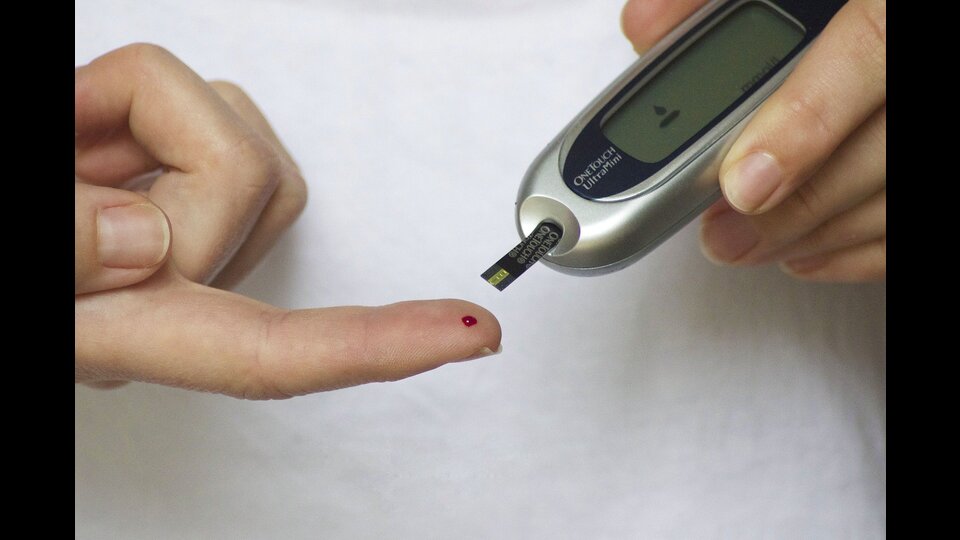
The study — titled “The limitations and fallacies of relying on glycosylated haemoglobin for diagnosing and monitoring diabetes in Indian populations” — reveals significantly distorted HbA1c readings in populations with high prevalence of anaemia, inherited haemoglobin disorders and glucose-6-phosphate dehydrogenase (G6PD) deficiency, making the test an unreliable standalone marker of blood glucose control.
The HbA1c test measures average blood sugar levels over the past two to three months by checking the percentage of haemoglobin coated with glucose. A normal range is below 5.7%, while a reading of 6.5% or more suggests diabetes.
“Relying exclusively on HbA1c can result in misclassification of diabetes status,” Professor Anoop Misra, corresponding author of the study and chairman of the Fortis C-DOC Centre of Excellence for Diabetes, Metabolic Diseases and Endocrinology, New Delhi, said. “Some individuals may be diagnosed later than appropriate, while others could be misdiagnosed, which may affect timely diagnosis and management. Similarly, monitoring of blood sugar status may be compromised.”
The study notes that iron deficiency anaemia — endemic in India, affecting over half of total adults in some regions —can falsely elevate HbA1c levels, while conditions such as haemoglobinopathies and G6PD deficiency may artificially lower them, masking true hyperglycaemia. India also has one of the world’s highest burdens of sickle cell disease and G6PD deficiency, particularly among tribal population, the authors note in the study.
Dr Shashank R Joshi, co-author and endocrinologist at Joshi Clinic, Mumbai, said the problem is not limited to under-resourced settings. “Even in well-resourced urban hospitals, HbA1c readings can be influenced by red blood cell variations and inherited haemoglobin disorders. In rural and tribal areas, where anaemia and red cell abnormalities are common, the discrepancies may be greater,” he said.
The study cautions that national diabetes prevalence estimates based primarily on HbA1c may be misleading, potentially leading to over- or under-allocation of health resources.
Calling for a shift in clinical practice, Dr Shambo Samrat Samajdar, co-author from Kolkata, emphasised the need for multiple diagnostic tools. “Combining oral glucose tolerance test, self-monitoring of blood glucose, and hematologic assessments provides a more accurate picture of diabetes risk. This approach can help refine public health estimates and guide resource allocation,” he said.
Dr Naval K Vikram, professor of medicine at All India Institute of Medical Sciences (AIIMS), New Delhi, is also among the authors of the study.