E-Paper



Health Talk: WHO flags RSV deaths in children, calls for new immunisation tools
RSV is responsible for around 1 lakh deaths, over 3.6 million hospitalisations in children under age of 5 every year, according to the United Nation health body

 Prefer HTon Google


The World Health Organisation (WHO) recently issued recommendations, including the effective use of immunisation products, to protect infants against Respiratory Syncytial Virus (RSV), which causes acute lower respiratory infections in children and can become life-threatening.
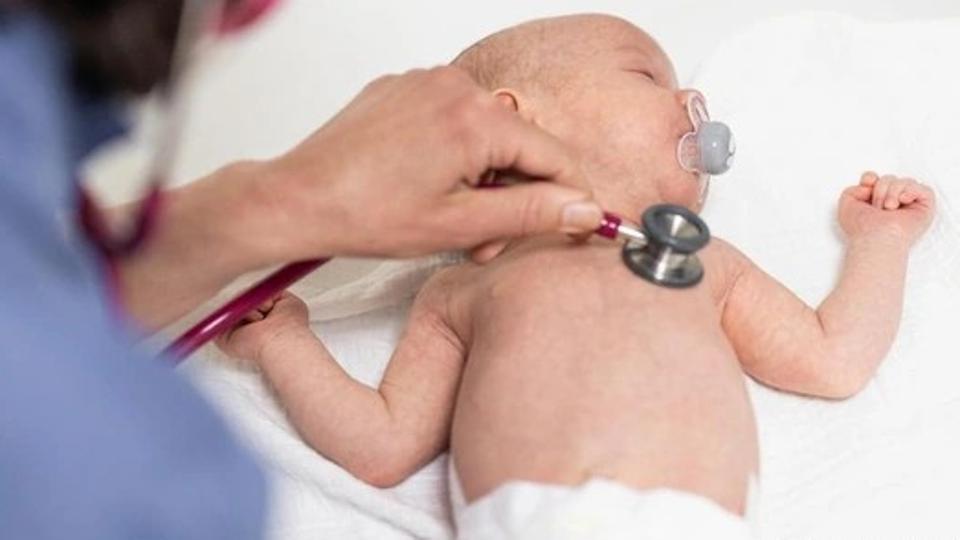
RSV, one of the leading causes of under-five mortality globally (which refers to the death of children before their fifth birthday, typically expressed as a rate per 1,000 live births), is responsible for around 1 lakh deaths and over 3.6 million hospitalisations in children under the age of five every year, according to the United Nation health body.
About half of these deaths occur in infants younger than six months of age. The vast majority (97%) of RSV deaths in infants occur in low- and middle-income countries, where there is limited access to supportive medical care such as oxygen or hydration.
India also has a high disease burden, particularly around the rainy season. A “position paper” published by WHO outlines recommendations for two immunisation products — a maternal vaccine that can be given to pregnant women in their third trimester to protect their infant, and a long-acting monoclonal antibody that can be administered to infants from birth, just before or during the RSV season.
“RSV is an incredibly infectious virus that infects people of all ages, but is especially harmful to infants, particularly those born premature, when they are most vulnerable to severe disease,” director of immunization, vaccines, and biologicals at WHO Kate O’Brien said in a statement.
Also Read: HMPV vs. other respiratory viruses: Doctor sheds light on key differences
“The WHO-recommended RSV immunisation products can transform the fight against severe RSV disease, dramatically reduce hospitalizations, and deaths, ultimately saving many infant lives globally,” he added.
A 2021 study — Disease Burden Due to Respiratory Syncytial Virus in Indian Pediatric Population: A Literature Review — said, “In India, epidemiology of RSV infection is well documented in young children (0-5 years) as compared to children from other age groups. The rates of RSV detection in various studies conducted in younger children (0-5 years) vary from 2.1% to 62.4% in India which is higher as compared to children from other age groups.”
Also Read: HMPV cases in India: Doctor explains it’s link to kidney complications
RSV usually causes mild symptoms similar to the common cold, including runny nose, cough, and fever. However, it can lead to serious complications — including pneumonia and bronchiolitis — in infants, young children, older adults, and those with compromised immune systems or underlying health conditions.
Better management and putting in place preventive measures is largely the key to stopping any disease from turning big. The WHO recommendations will hopefully serve the purpose, and the world will see fewer deaths in children due to RSV.