
 E-Paper



How Delhi plans to combat pollution: All you need to know
Every year in the month of October, Delhi witnesses a steep increase in pollution level due to stubble burning in Punjab, Haryana and Uttar Pradesh, rise in vehicular activity ahead of Dussehra and Diwali, and crackers bursting in Delhi.


Delhi chief minister Arvind Kejriwal has announced a campaign to control pollution levels in the national capital. The campaign, ‘Yuddh Pradushan Ke Viruddh’, will be run by a mobile application through which citizens will be able to lodge complaints about the pollution level in their area.
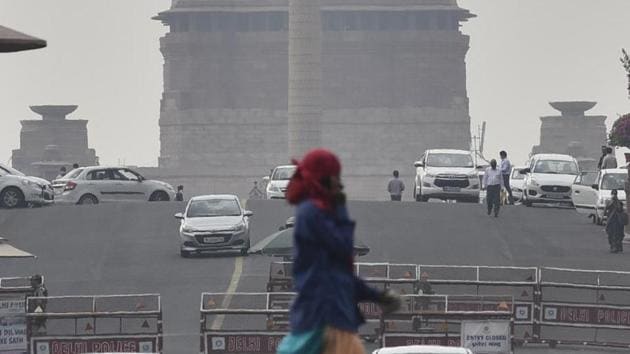
Every year in the month of October, Delhi witnesses a steep increase in pollution level due to stubble burning in Punjab, Haryana and Uttar Pradesh, rise in vehicular activity ahead of Dussehra and Diwali, and crackers bursting in Delhi.
“From today we are starting a campaign against pollution, “Yuddh Pradushan Ke Viruddh” to reduce pollution levels in the national capital. As a part of the campaign, we will be using technology developed by PUSA Agriculture Institute, to curb the menace of stubble burning,” Kejriwal added.
Here are the points you should know about the campaign:
1. A photo-based complaint lodging mobile application ‘Green Delhi App’ will be launched before the end of October for the redressal of pollution complaints by citizens in their area.
2. On the pattern of battling the coronavirus disease, 13 pollution hotspots have been identified. Customized actions will be taken in each hotspot according to the requirement and the cause of pollution in the area.
3. The Delhi government has also initiated an ‘anti-dust campaign’ to settle dust, especially at construction sites.
4. As a part of the anti-dust campaign, agencies that cut down the tree will be asked to plant 80% of trees that have been brought down.
5. The Aam Aadmi Party-led government will pay heed to air-pollution hotspots like Bawana, Narela, Mundka, Punjabi Bagh, RK Puram, among other areas, to boost air quality.
6. It will spray ‘bio-decomposer’ invented by the Indian Agricultural Research Institute, Pusa in the fields to deal with residue burning issue. The spray will decompose the stubbles and will turn it into manure.


