
 E-Paper



‘Ideal Indian wife continues to embody strength even if deserted’: MP high court rejects divorce plea by husband
Court praises woman for not leaving her matrimonial home and continuing to care for in-laws even after being deserted by husband 19 years ago

 Prefer HTon Google


The Madhya Pradesh High Court showered praise on a woman for “staying rooted” in her “dharma as a wife", and not giving up symbols of her marriage, even after being abandoned by her husband for nearly two decades.
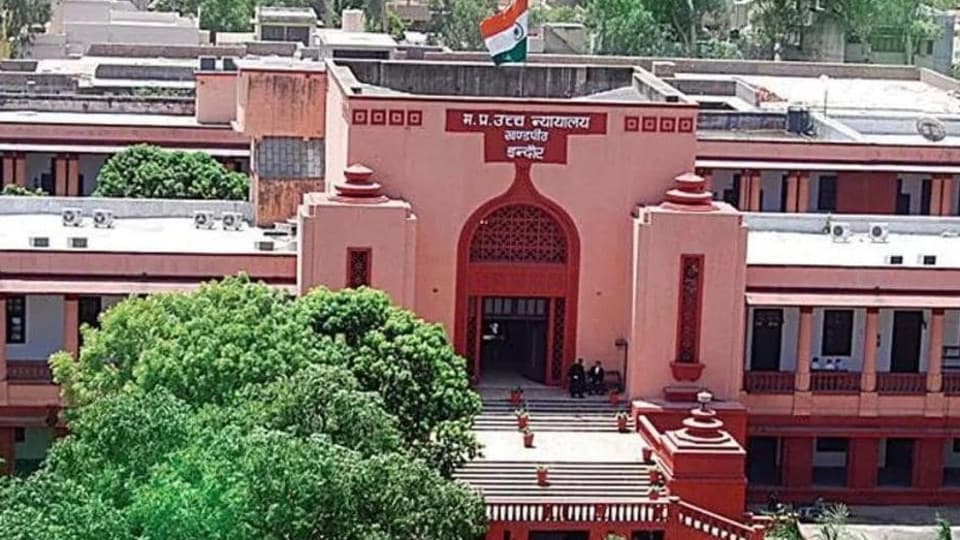
A bench of Justice Vivek Rusia and Justice Binod Kumar Dwivedi dismissed the divorce plea by the woman’s husband filed on grounds of cruelty, and observed that as per the Hindu concept, “marriage is a sacred, eternal and indissoluble union".
It added that an “ideal Indian wife”, even when deserted by her husband, “continues to embody strength, dignity and virtue".
The court added that her conduct is rooted in “dharma, cultural values and sanctity of marital bond".
What is the case? Couple living apart since 2006
The couple in this case got married in November 1998 in Madhya Pradesh’s Indore, and have a son born in 2002.
The woman lives with her in-laws in a joint family while her husband serves as a constable in the Special Armed Force and stays in Bhopal.
The husband first appealed to a family court seeking divorce on grounds of cruelty, saying that his wife showed no interest in marital relations, and that she falsely accused him of having an affair and drinking alcohol.
The couple has been living separately since 2006.
The wife, however, has refuted these allegations and said her husband is seeking divorce on false grounds.
She said that she has been living with her in-laws since marriage and that she has always been willing to fulfil her marital obligations.
She also alleged that her husband has an extramarital affair with a female colleague of his.
Based on this, the family court dismissed the husband’s petition for divorce.
The high court, in its order dated August 5, 2025, upheld the decision.
What court said about ‘self-respect and dignity’
The high court bench said the woman was upholding her “self-respect and dignity”.
“Despite the pain of abandonment, she remains rooted in her dharma as a wife. She does not allow bitterness or despair to erode her sense of responsibility towards the marriage and the family, she has become a part of,” the bench observed.
“Despite the absence of her husband, she remained committed to her in-laws. She is serving them with care and affection, as she would have if her husband was present, thereby reinforcing her moral stature,” it added.
The court also that the woman reflected the “Hindu ideal of a woman as Shakti — not weak, but submissive and powerful in her endurance and grace” by not using her sufferings to “gain sympathy”.
“Even when she left alone, she does not forsake, the Mangalsutra, the Sindoor or the symbols of her marriage status as her marriage to her is not a contract, but a Sanskara — an indelible sacrament.”
The court called the case “unique” because the woman continued to live with her in-laws, depicting her “loyalty” as “typical Indian woman who puts all her efforts to save her family life”.
In many similar cases, the wife decides to live alone or with her parents, the court observed.
Dismissing the woman’s suspicion of her husband having an affair as grounds for cruelty towards him, the court said that since the husband has not lived with her for around 19 years, she is “constrained” to think so in “sheer frustration”.


