E-Paper



If the govt. acts now, India can eliminate hepatitis B by 2080: experts
Viral hepatitis B affects close to 45 million people in India

 Prefer HTon Google


New Delhi: If the government acts now, India will be able to eliminate hepatitis B, a viral infection that can lead to permanent liver damage and even cancer, by 2080, say experts on the occasion of World Hepatitis Day. The global target is 2030.
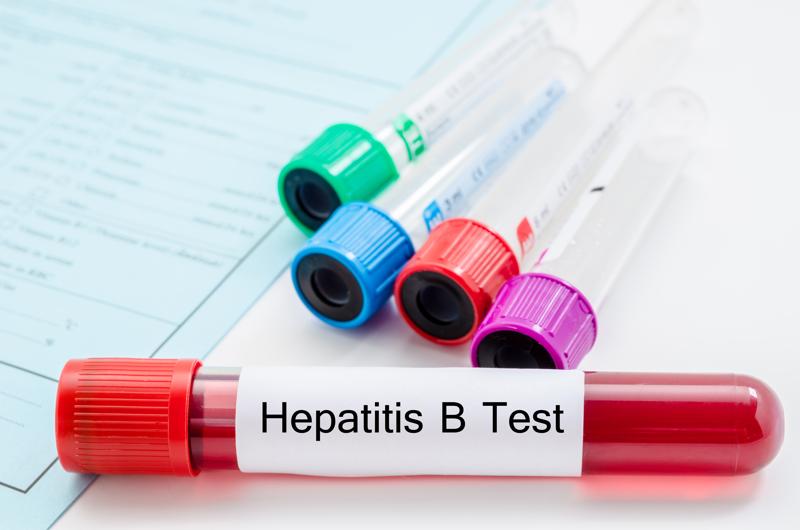
World Health Organisation (WHO) observes the day on July 28 each year, and the theme for this year is elimination.
Nearly 400 million people are affected with viral hepatitis globally that are broadly categorised as water-borne A&E and blood-borne B & C.
While hepatitis viruses A&E produce self-limiting symptoms, the main causes of concern are blood-borne viral infections—HBV & HCV that lead to chronic liver diseases. The infection, if not handled in time, may progress even to liver cancer over a period of time.
An estimated 54 million people in India are affected with viral hepatitis HBV & HCV— about 45 million with HBV and 8.7 million with HCV.
Hepatitis C has a cure, and 90% of people can get cured after three months of treatment and in six months 100% can be cured.
Hence, focus is on hepatitis B, and expanding vaccination programmes for HBV is seen among the key approaches to elimination.
The HBV vaccine provides more than 99% protection.
“Since maximum transmission, about 95%, happens from mother-to-baby, vaccination could be the key. The vaccine is a part of National Immunisation Programme since 2013, but the coverage as of now is inadequate,” said Dr SK Sarin, director, Institute of Liver and Biliary Sciences (ILBS).
Three injections over a six to 12 month period are required to provide full resistance, but government will have to ensure compliance.
Dr Sarin says it will take at least 65 years for India to eliminate HBV, and it would require a three pronged strategy— to treat people affected with HBV free of cost; vaccinate newborns and adults; screen people who received blood transfusion or surgery before 2001.
“Our average age is around 65 years, so we need to treat free of cost those who are currently infected with HBV to prevent transmission. It’s one tablet a day for life, which can be included in the essential drug list,” he said.
For vaccination, Dr Ajay Bhalla, gastroenterology, Fortis Hospital-Noida, says, “Not just the newborns, but those up to 18 years of age and also people among high risk category should get vaccinated.”
However, getting screened is important as 95% of those infected are not aware of it.
People who underwent blood transfusion or surgery before 2001 should especially get tested because the blood wasn’t screened for hepatitis before that.
“If the government gets a bit proactive and sort of pledges that all newborns be vaccinated then it is possible to eliminate the disease by 2080,” Dr Sarin said.
Hepatitis B is responsible for 1.4 million deaths each year, which is more than 2.7 million deaths due to HIV/AIDS and malaria and TB combined.
Viral hepatitis in figures
400 million: people affected with viral hepatitis globally
1.4 million: people killed each year globally (viruses B and C mostly)
5%: people are aware of their infection
1%: have access to treatment
Hepatitis B (HBV) facts and figures
*Viruses: water-borne A&E and blood-borne B&C
*Viruses B & C cause chronic hepatitis
*Hepatitis B is 100 times more contagious than HIV
*Transmitted through all body fluids— sweat, saliva, semen, urine & blood
*Has a vaccine but no cure
*Vaccination offers >99% protection
*350 million: persons worldwide infected with HBV
*0.3%: affected adults
*45 million: HBV carriers in India
*1 million: deaths worldwide each year related to HBV complications
*75%: chronic carriers are Asians