E-Paper



In a first, 30 Odisha polling booths to be set up in erstwhile Maoist citadel
Arun Sarangi, who travelled to Malkangiri district on Monday to review the security arrangements this year, said the booths would be located in villages for the first time

 Prefer HTon Google


Bhubaneswar: The Election Commission of India will set up about 30 polling booths for the Lok Sabha and assembly elections in villages of nine gram panchayats in Odisha’s Swabhiman Anchal, considered a Maoist citadel till a few years ago, a top Odisha police officer said on Monday.
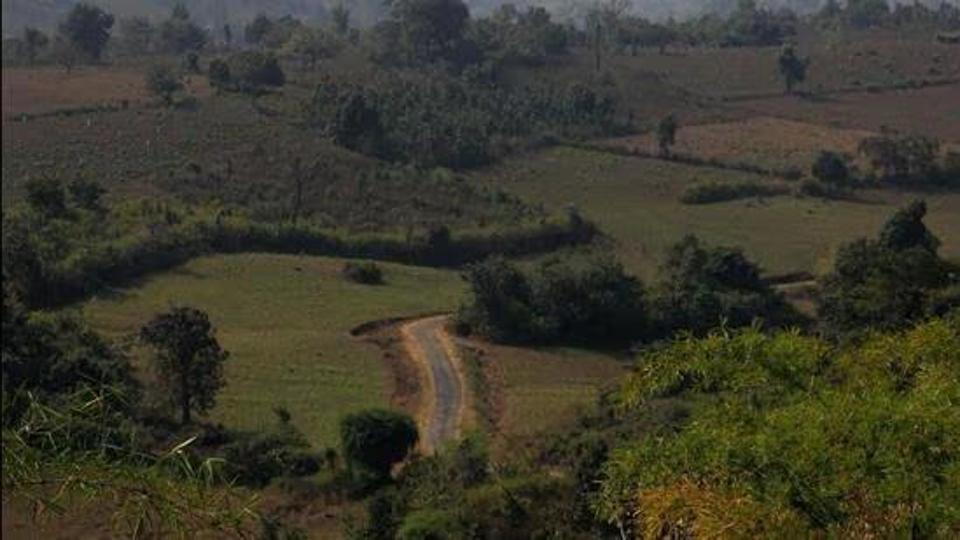
Odisha director general of police (DGP) Arun Sarangi said the polling booths in the region were located near camps of the Border Security Force (BSF) camps to shield them from Maoist attacks in 2019. It kept the booths secure but dissuaded people from coming forward to exercise their franchise.
In 2019, at least 12 booths in Swabhiman Anchal witnessed zero polling after Maoists threatened to chop off the hands of voters who defied their call to boycott the elections. No one had turned up in 2000, 2004 and 2009 either. 2014 the Maoists captured a polling booth, forcing the ECI to order a repoll. But no one turned up during the repoll.
Sarangi, who travelled to Malkangiri district on Monday to review the security arrangements this year, said: “Since last one and half years, there have been no reports of Maoist violence in Malkangiri and there is no movement of Maoists on the Andhra-Odisha border. So taking into account the Maoist situation, we have decided that the booths would be located in villages. The SP (superintendent of police, the district police chief) informed us about their preparations, preventive steps and enforcement activities. We had a detailed discussion on the requirement of forces and how it can be supplemented,” Sarangi said.
Swabhiman Anchal, a cluster of 151 villages of Malkangiri district that was almost hived off from the Odisha mainland after the construction of the Balimela hydroelectric project in 1972, had been a hotbed of Maoist violence for years.
In 2008, 37 jawans of Greyhounds, an elite anti-Maoist force raised in 1989 by undivided Andhra Pradesh, and a driver of Odisha police were killed when the Maoists sunk their motorboat in Balimela reservoir. In 2012, Maoists triggered a landmine blast in Balimela killing a BSF commandant and three other jawans. In February 2011, the then Malkangiri district collector Ravella Vineel Krishna was taken hostage at Jantapai by Maoists while he was inspecting developmental works.
Sarangi said there was a three-week gap between elections in Chhattisgarh and Odisha, so Maoists may try to enter Odisha during this period. “Our operational forces and operational plan are ready. Our SPs are very competent and they can stall it. Since Maoist activity is a problem we need cooperation from all especially people,” he said.