
 E-Paper



In EV push, army to induct light vehicles, buses
“Various factors unique to the army’s employability, remote locations of employment and operational commitments were considered to arrive at a definite time-bound road map for inducting EVs,” said one of the army officers, asking not to be named.

 Prefer HTon Google


In a bid to reduce emissions and cut dependence on fossil fuels, the Army has set a target to induct three types of electric vehicles (EVs) — motorcycles, light vehicles and buses — in line with operational commitments, officers familiar with the matter said on Wednesday.
“Various factors unique to the army’s employability, remote locations of employment and operational commitments were considered to arrive at a definite time-bound road map for inducting EVs,” said one of the officers mentioned above, asking not to be named.
According to the officer, the EV push will see the army replace around 25% light vehicles, 38% buses and 48% motorcycles at select peace-time units and formations with adequate charging infrastructure. This is being done in line with the army’s requirements and employability of EVs across different types of terrain.
The EV push has already been started in New Delhi and is expected to be extended to Lucknow, Pune and Kolkata, according to the officer.
The army has also started setting up infrastructure to support the induction of EVs.
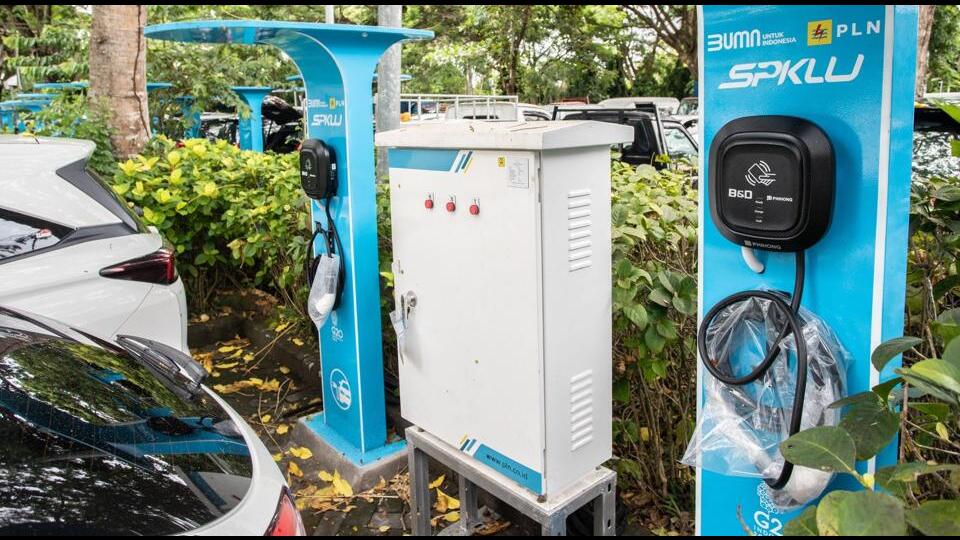
According to a second officer familiar with the matter, the force has set up charging points in parking lots of offices and residential complexes, installed transformers with adequate load-bearing capability based on anticipated number of EVs per station, and has started work on solar panel-driven charging stations.
“Considering the pace of green initiatives being adopted by the government and efforts to reduce dependence on fossil fuels, it is necessary to adapt to the changing environment,” said the first officer.
The government’s policy of faster adoption and manufacturing of hybrid & EV (FAME) I & II (to promote manufacturing of electric and hybrid vehicles) has boosted infrastructure development for sustaining the EV ecosystem, the officer added.
According to the second officer, the force is buying EVs through the capital route and the existing deficiency of buses will be met by procuring electric buses for select peace establishments for initial exploitation. A tender for buying 60 buses along with 24 fast chargers is expected to be floated soon, the officer added.
According to people privy to developments, the army has already started using EVs as part of civil hired transport — apart from operating its own vehicles, the force also hires civil vehicles to meet its requirements.
“This is a good example of the whole of society approach needed to address climate change. Electric vehicle fleets powered by renewable energy can moderate the growth of transport sector emissions,” said Ulka Kelkar, director, climate program, World Resources Institute (WRI) India.


