
 E-Paper



In Goa, the fusion of popular disenchantment and popular legitimacy
It was an election where the wider multi-religious Hindu-Christian coalition that Parikkar put together appeared to have broken down. And it was an election where issues of cronyism and corruption permeated the political discourse


This was the first assembly election after the death of the Bharatiya Janata Party (BJP)’s tallest leader in the state, Manohar Parrikar. It was an election where observers, based on anecdotal reporting, could sense popular disenchantment with the party in power. It was an election where the BJP’s own relations with erstwhile and current allies were frayed. It was an election where the wider multi-religious Hindu-Christian coalition that Parikkar put together appeared to have broken down. And it was an election where issues of cronyism and corruption permeated the political discourse.
It was an election, where, by many accounts, the BJP was in for a rough ride.
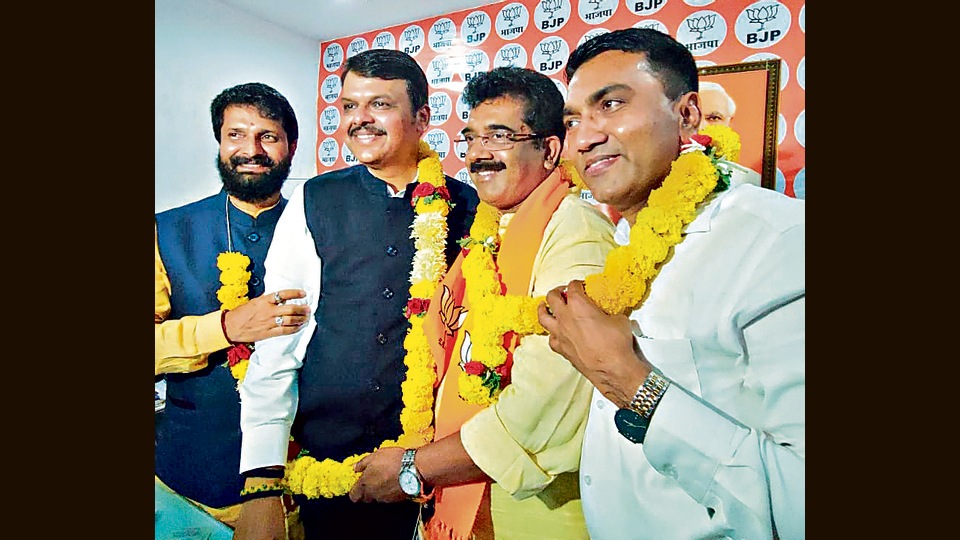
Yet, not only did the BJP succeed in retaining power, it held on to its vote-share in 2017. It was an election where the BJP’s legitimacy and claim over power actually increased. It was an election where even the emotive appeal of Parikkar’s son, denied a ticket by the BJP, failed to make a dent. And it was an election that will see the return of the BJP for a third consecutive term, making it a 15-year run in power by 2027.
Success in Goa for the BJP rested on three factors.
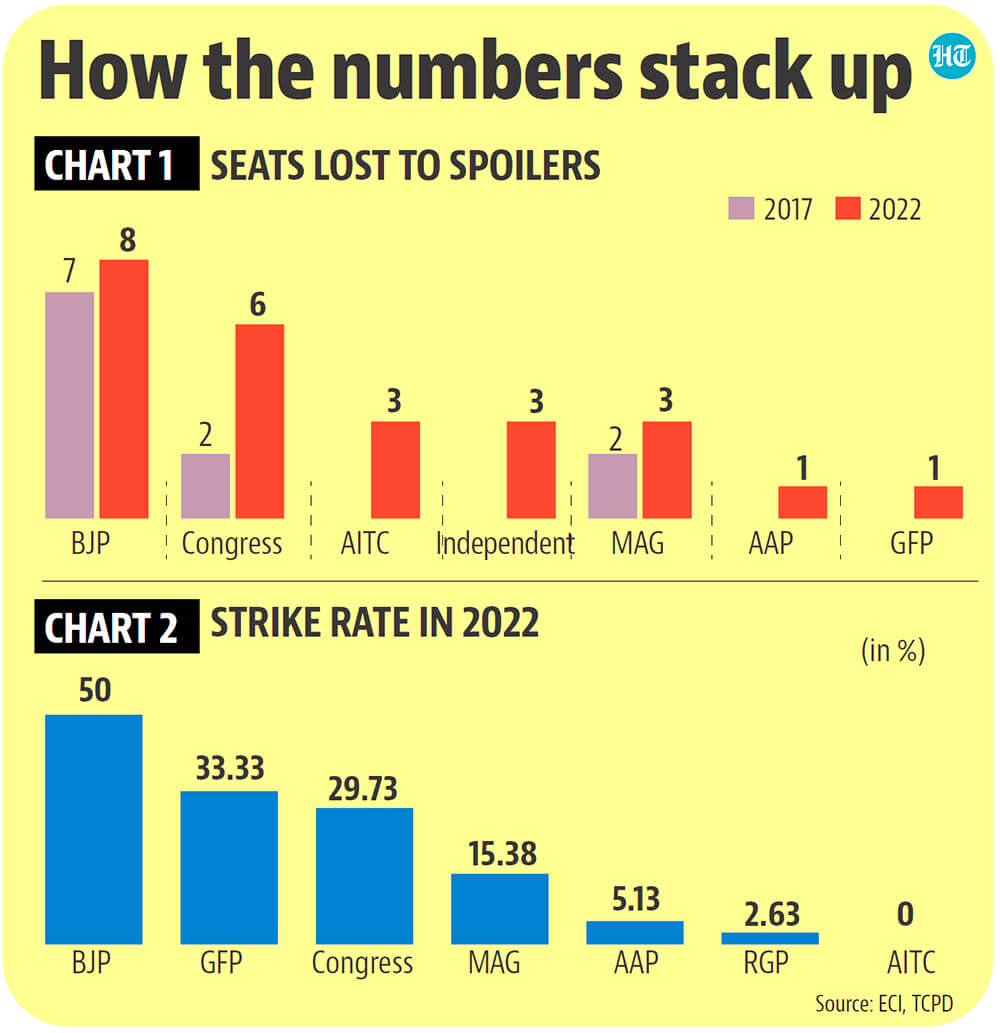
The first was a fragmented Opposition. From the primary opposition in the state, the Congress – burnt after a series of defections in the past few years – to the ambitious contenders for the lead opposition slot on the national stage – Aam Aadmi Party and Trinamool Congress – to Maharashtra-based and Goa-specific regional forces, the Goa political theatre was crowded. While a careful seat-by-seat analysis is needed, it would be safe to conclude that a unified opposition to the BJP would have posed a formidable challenge and reduced its prospects of hitting the majority mark.
The second was the combination of careful micromanagement. Devendra Fadnavis, as the state incharge, invested considerable effort in mediating disputes at the local level among party leaders; the party itself invested considerable resources in seats which it saw as winnable; and it combined a mix of macro-level messaging about the central and state government’s achievements, including on Covid-19 vaccination, which was important for a tourist-dependent economy such as Goa, with micro-level messaging about initiatives taken in each constituency.
And finally, the verdict shows the persistent appeal of Narendra Modi. While Pramod Sawant remained the state-level face of the party, like in all other states where the BJP won on March 10, it was Modi’s appeal that helped keep the party’s base intact.


