E-Paper



In Gwalior, win Rs 100 for every photo you click of people defecating in the open
A new district administration scheme says a person can click a picture of someone defecating in public and send it to a mobile phone number over WhatsApp, with details of the name and address of the sender


Taking a picture of a person defecating in the open can win you Rs 100 in Madhya Pradesh’s Gwalior.
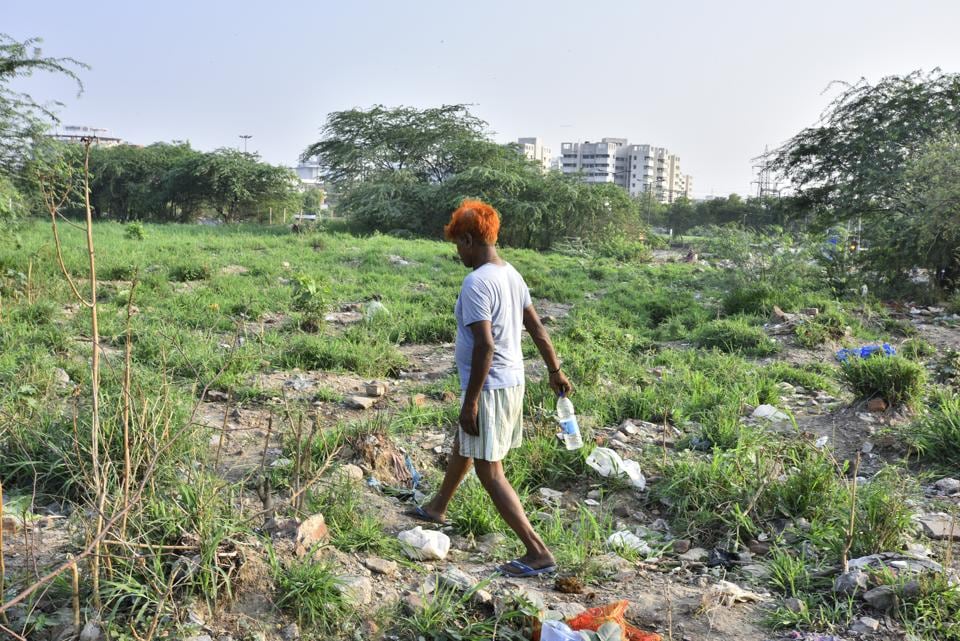
A new district administration scheme says a person can click a picture of someone defecating in public and send it to a mobile phone number over WhatsApp, with details of the name and address of the sender. The authorities will levy a fine of Rs 250 from the person defecating and give Rs 100 to the person clicking the photo.
“It is basically a citizen campaign to involve people in monitoring. In March, Gwalior rural was declared as ODF area but we are still getting complaints. The photograph is important to prove the claim of an informer,” said district panchayat chief executive officer Neeraj Singh.
“The photograph will be sent to a number of district panchayat monitoring authorities and panchayat secretary. We will ensure that it doesn’t go viral,” he added.
Gwalior was 27 among India’s 100 most-clean cities in a government survey released earlier this year but has struggled with complaints of open defecation and associated sanitation woes. The state government has also cracked down on violators in recent months, suspending staff and levying heavy fines on anyone caught defecating in the open – as part of the nationwide Swachh Bharat campaign that aims to eradicate open defecation by 2019.
The campaign hasn’t gone down well with some officials and activists who fear the scheme might invite legal trouble because people will be humiliated and their reputation ruined. Recently, the Punjab and Haryana high court issued a notice to Mewat deputy commissioner for degrading people on social media for open defecation by posting their pictures.
“It is an impractical method to check open defecation. The decision will not only hurt the privacy of a person but will also create law and order problem in villages,” said activist Sudhir Sapre. “The officers on responsible posts shouldn’t take such decision for cheap publicity.”