
 E-Paper



Indexation back in real estate as taxpayers get rate choices
Union govt softens stance on LTCG tax, offers choice between 20% with indexation or 12.5% without. Relief for property owners pre-July 23, 2024.


The Union government on Tuesday softened its stand on a controversial budget proposal to remove indexation for computing long-term capital gains (LTCG) tax on real estate and gave citizens an option to choose between the old regime of 20% levy with indexation and the new system of 12.5% tax without indexation.
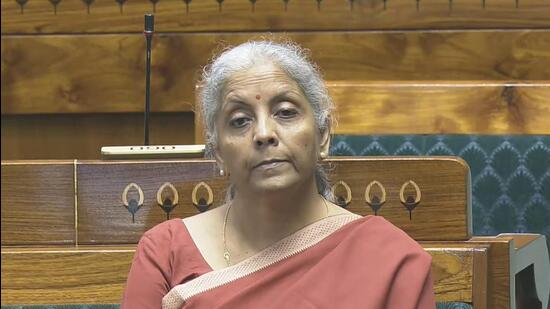
Anyone who has acquired property before July 23, 2024 -- the day the Union budget was presented -- can choose between the two regimes, the government said.
In order to provide relief for taxation of immovable property, the government amended the Union Budget proposal through a notice of amendments to the Finance (No 2) Bill, 2024 to the Lok Sabha. The notice contains 44 other small changes in the bill.
“In the case of transfer of a long-term capital asset, being land or building or both, by an individual or HuF, which is acquired before the 23rd day of July, 2024, the taxpayer can compute his taxes under the new scheme [@12.5% without indexation] and old scheme [@20% with indexation] and pay such tax which is lower of the two,” a person with direct knowledge of the matter said, summing the amendments.
The indexation benefit allows taxpayers to calculate gains by the sale of capital assets after adjusting for inflation. The budget on July 23 proposed to reduce long-term capital gains tax rate from 20% with indexation to 12.5% without indexation in the name of simplification, a controversial move that upset the market and adversely impacted investor sentiment.
The move came hours after the Opposition members in Lok Sabha asked the finance minister to review her proposal that they argued adversely affected the middle class.
Raising the matter on Tuesday afternoon in the Lok Sabha during the debate on proposals of the finance bill, several Opposition members urged finance minister Nirmala Sitharaman to review it for the sake of the middle class.
“Not only is the middle-class being taxed, but now with this budget, the savings of the middle class have also been taxed with removal of indexation and with a rise in the short-term capital gains… Now if we talk about the people like our parents, pensioners, salaried middle-class, risk-averse people, who invested in gold, in property, in debt mutual funds, the removal of indexation has harmed them disproportionately,” said Trinamool Congress leader Mahua Moitra.
Nationalist Congress Party (Sharadchandra Pawar) leader Supriya Sule said that the proposal to remove indexation from long-term capital gains was not clear. “There is no clarity on indexation.” She said, if a person bought a house in 2002 for ₹1 crore and sold it for ₹5 crore, he or she would pay LTCG of ₹34 lakh with indexation while he would have to pay ₹50 lakh without indexation, she argued.
“Indexation has been done away with for ease of computation with simultaneous reduction of rate from 20% to 12.5%, FAQ released by the Income-Tax Department had said after the budget. It also simplified the holding period. Earlier there were three holding period for considering an asset to be a long-term capital asset. Now, there are only two holding periods -- for listed securities, it is one year, and for all other assets, it is two years, it said.
Taxpayers will continue to avail the rollover benefits on capital gains as earlier, it said. “Investment of capital gain in 54EC bonds (up to ₹50 lakh) and in other cases, the capital gain is exempt from tax, subject to certain specified conditions,” it said that day.
Niranjan Hiranandani, chairman of the Hiranandani Group, called it a significant step forward. “This relief applies to the transfer of long-term capital assets, such as land or buildings, acquired before July 23, 2024. By enabling taxpayers to choose the lower tax burden between the new and old schemes, the amendment is poised to drive investment and enhance sales across housing segments,” he said.


