
 E-Paper



India calls China’s bluff in Chushul
While both the military and diplomatic channels are open between the two countries, the Indian Army riposte in the last week of August must have had a sobering effect on the adversary with the situation attaining criticality at the Rezang La ridgeline in the Chushul sector.

 Prefer HTon Google


After the Indian Army called the bluff of the People’s Liberation Army (PLA) on the Rezang La ridgeline on August 29-30, India is prepared for the long haul in Ladakh with clear-cut directions to front-line troops not to yield to any Chinese intimidation.
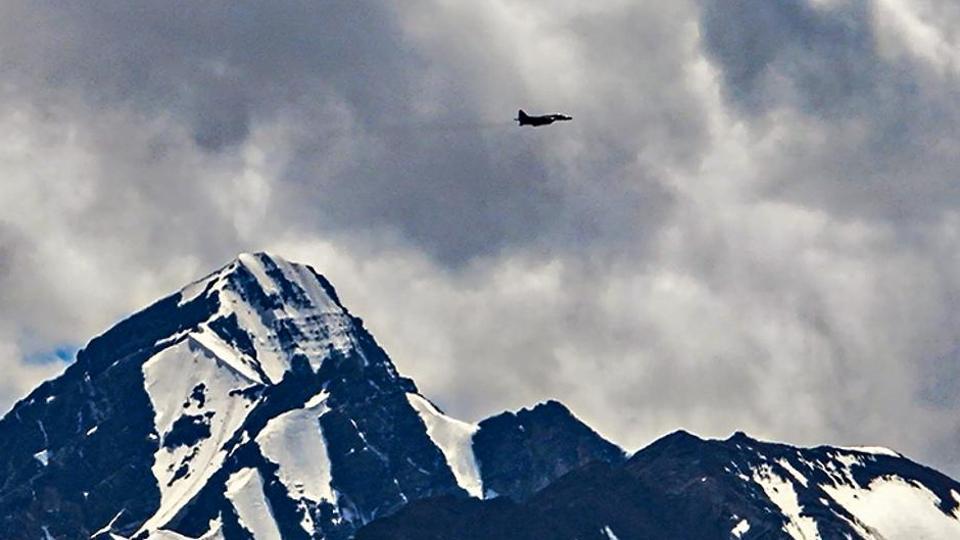
While both the military and diplomatic channels are open between the two countries, the Indian Army riposte in the last week of August must have had a sobering effect on the adversary with the situation attaining criticality at the Rezang La ridgeline in the Chushul sector.
Although psychological warfare through media is the key element of Chinese military strategy, the situation report to the PLA headquarters in Beijing on the August 30 military moves must have made the Western Theatre Command realise the mood of Indian Army’s specialized troops and armour. The new Indian military posture is aimed at repelling any PLA move to unilaterally change the alignment of the Line of Actual Control (LAC) in pursuit of its 1960 claim green line.
Also read: In Chushul’s forbidding heights, locals supply water, other essentials to Indian troops
The Indian position on the Ladakh border was strongly conveyed by defence minister Rajnath Singh to his Chinese counterpart on the side lines of the Shanghai Cooperation Organization (SCO) meeting in Moscow; the stand shall be reiterated by external affairs minister S Jaishankar when he meets his counterpart on the same platform on September 10. There is a strong possibility of a meeting between the Indian and Chinese Special Representatives on the boundary issue later if Beijing still is committed to the bilateral peace and tranquility agreements. The situation on the ground is that China has increased the PLA’s strength by 60% since the Galwan Valley flare-up on June 15 while its leaders talk about peace.
According to China watchers, the PLA’s aggression will continue till the November US Presidential elections and the Ladakh push from Galwan to Pangong Tso was part of Chinea’s strategic positioning to punish India for its perceived close relationship with the US. “ The climatic conditions in Ladakh in October will ensure that troops only fight for their survival rather than fight against the adversary with polar temperatures and killer winds. The Chinese posture will also depend on whether there is a change of regime in US and what will be its policy towards Beijing,” said a senior official, who didn’t want to be named.
What is left unsaid is that the PLA’s aggression in Ladakh was part of the preparations to celebrate 100 years of the Chinese Communist Party next year, where the middle kingdom will be showcased as a new global power with a Xiaokang (moderately prosperous) society and a modern socialist country.
It is clearly evident that the Chinese did not anticipate the Indian Army’s reaction in Ladakh as well as the political, military, diplomatic and economic cost of land between Finger 4 and Finger 8 relief features on Pangong Tso that PLA occupied by perfidy last May.


