
 E-Paper



Centre restricts sugar exports to check domestic inflation
The export cap applies for the marketing year that runs from October to September

 Prefer HTon Google


India on Tuesday restricted exports of sugar, a surplus commodity, to 10 million tonnes this season amid record overseas sales to check domestic inflation and channel more sugarcane into ethanol production.
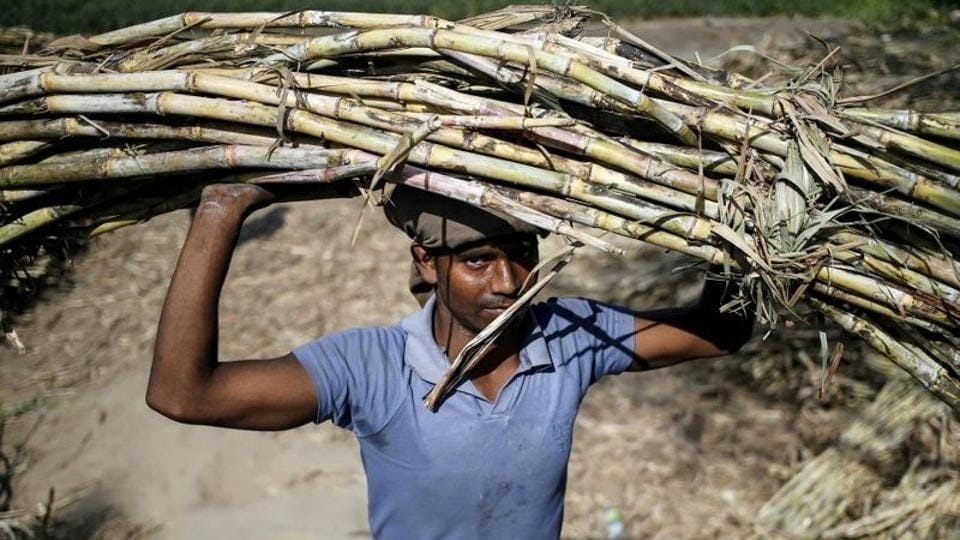
The country will allow export of the sweetener only with permits, according to two separate notifications. The export cap applies for the marketing year that runs from October to September.
The curbs on sugar export have come for the first time in six years. The country last restricted export of the sweetener by imposing an export duty of 20% in 2016.
India is the world’s second-largest sugar producer and exporter behind Brazil. Export restrictions by India will send international prices soaring in the middle of a global commodities-price spiral. The government has also set up a cross-ministry panel to monitor prices of all imported commodities, especially industrial raw materials, the official cited above said.
Also read: State announces grant for cooperative sugar mills
Along with the May 13 ban on private wheat export, whose effects rippled across the globe by pushing up prices, these steps mark an aggressive stance to tame runaway inflation. Consumer prices in April leapt to an eight-year high of 7.79%, well above the Reserve Bank’s tolerance limit of 6% for four straight months, threatening growth and stoking public angst.
A smaller cane crop in the world’s top producer Brazil and high global oil prices have increased overseas demand for Indian sugar, as millers globally seek to pump more sugarcane into ethanol products.
A restriction on exports will make more of the surplus sweetener available for domestic ethanol-making, for which the country has set new fuel-blending targets and is a top government priority.
Mixing petrol with ethanol, which is made from molasses, a byproduct of sugar, will help lessen the amount of oil India imports. “In order to find a permanent solution to address the problem of excess sugar, government is encouraging sugar mills to divert excess sugarcane to ethanol,” an official statement on May 19 said.
Also read: Ukraine war: 200 bodies found in basement of Mariupol building | Top points
The Union Cabinet last Wednesday approved amendments to the National Policy on Biofuels 2018, approving the advancing of the target of blending 20% ethanol in petrol by five years to 2025-26 from 2030. India is the third-largest oil consumer and importing nation in the world. Its crude oil import bill was US$ 119.2 billion in FY22, sharply higher than US$ 62.2 billion in the previous fiscal year, according to data from the oil ministry’s Petroleum Planning & Analysis Cell.
“Sugar production has been at a record high, but exports are also very high. This could lead to a situation of high prices in the coming months, especially during the autumn festival season,” the official quoted above said, requesting anonymity. In sugar season 2020-21, traders exported 7 million tonnes (MT) of sugar, against target of 6MT and this represents a 15-times jump in exports since 2017-18.
Also read: Study finds low glycemic index diet helps heart patients lose weight
The Indian Sugar Mills Association said, India’s output in the current season is expected to be 35MT while domestic consumption is about 27MT. Current stocks include last season’s 8MT, making for a surplus of 16MT.


