E-Paper



India may not ignore an energy supplier such as Iran, says Envoy
India will decide on oil imports in the face of US sanctions according to its national interests but it is expected New Delhi will not ignore a reliable energy supplier such as Tehran, Iranian ambassador Ali Chegeni said on Thursday.

 Prefer HTon Google


India will decide on oil imports in the face of US sanctions according to its national interests but it is expected New Delhi will not ignore a reliable energy supplier such as Tehran, Iranian ambassador Ali Chegeni said on Thursday.
The development of Iran’s Chabahar port by India is exempted from the US sanctions and work on the project is proceeding but the American measures could have long-term impacts on the project, Chegeni said in an interview.
With the US ending exemptions for sanctions on Iranian oil imports on May 2, India had been expecting an extension of the six-month exemption granted last November but the US has been non-committal.
“India will decide on oil imports based on its national interests and energy security and we can’t force them,” Chegeni said. “We expect that a reliable source like Iran should not be ignored.”
India-Iran ties, he said, were “not for just two days as the countries have been good friends” for decades and have a relationship dating back hundreds of years.
The sanctions were imposed after US President Donald Trump pulled out of the Joint Comprehensive Plan of Action (JCPOA) or Iran nuclear deal last year. Key buyers of Iranian crude such as China and Turkey have said they will continue imports through special mechanisms and banks that aren’t exposed to the US financial system.
Iran was among India’s top three energy suppliers, providing 23.6 million tonnes of oil last year, or about 10% of the country’s energy needs.
Chegeni contended the US sanctions are unilateral measures that violate the “dignity, sovereignty and liberty” of independent countries. “Exporting oil is our right and nobody can stop us,” he said.
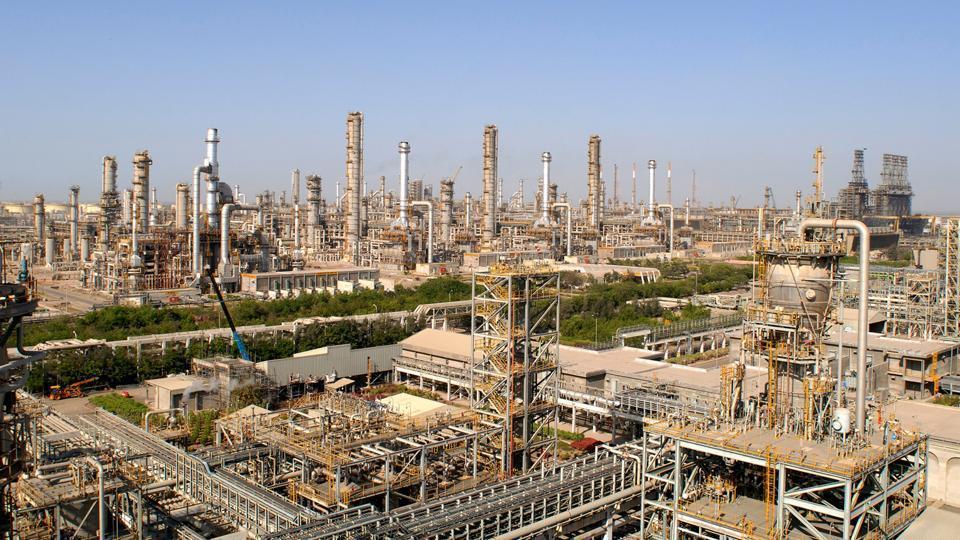
He said work on the strategic deep sea port of Chabahar is proceeding and a lot of infrastructure – including an airport, a gas pipeline and a refinery – has been put in place. “Chabahar is not under sanctions but the chain around it is not complete,” he said.
“Several countries have expressed interest in Chabahar but for us, India comes first. In the long-term, the sanctions could indirectly affect sectors like banking, insurance and shipping of materials such as steel for the railway link,” he added.
India Ports Global Limited took over Chabahar’s only operational terminal last December. The port on Iran’s southern coast along the Gulf of Oman is being developed as part of a corridor for landlocked Afghanistan that bypasses Pakistan.
Chegeni said he believed India, as a country that welcomed the JCPOA and as a “big partner of the US”, should “defend the deal” and talk to the Americans about the need to protect the arrangement. “India is one of the good players internationally and regionally and it can use all diplomatic and peaceful means to push countries for justice,” he added.