E-Paper



India monitors Bharat Biotech’s ‘remedial’ steps
India is monitoring the corrective measures being taken by Hyderabad-based Bharat Biotech to address deficiencies in its facilities that the World Health Organization flagged while suspending procurements of Covaxin, people familiar with the development said

 Prefer HTon Google


India is monitoring the corrective measures being taken by Hyderabad-based Bharat Biotech to address deficiencies in its facilities that the World Health Organization flagged while suspending procurements of Covaxin, people familiar with the development said.
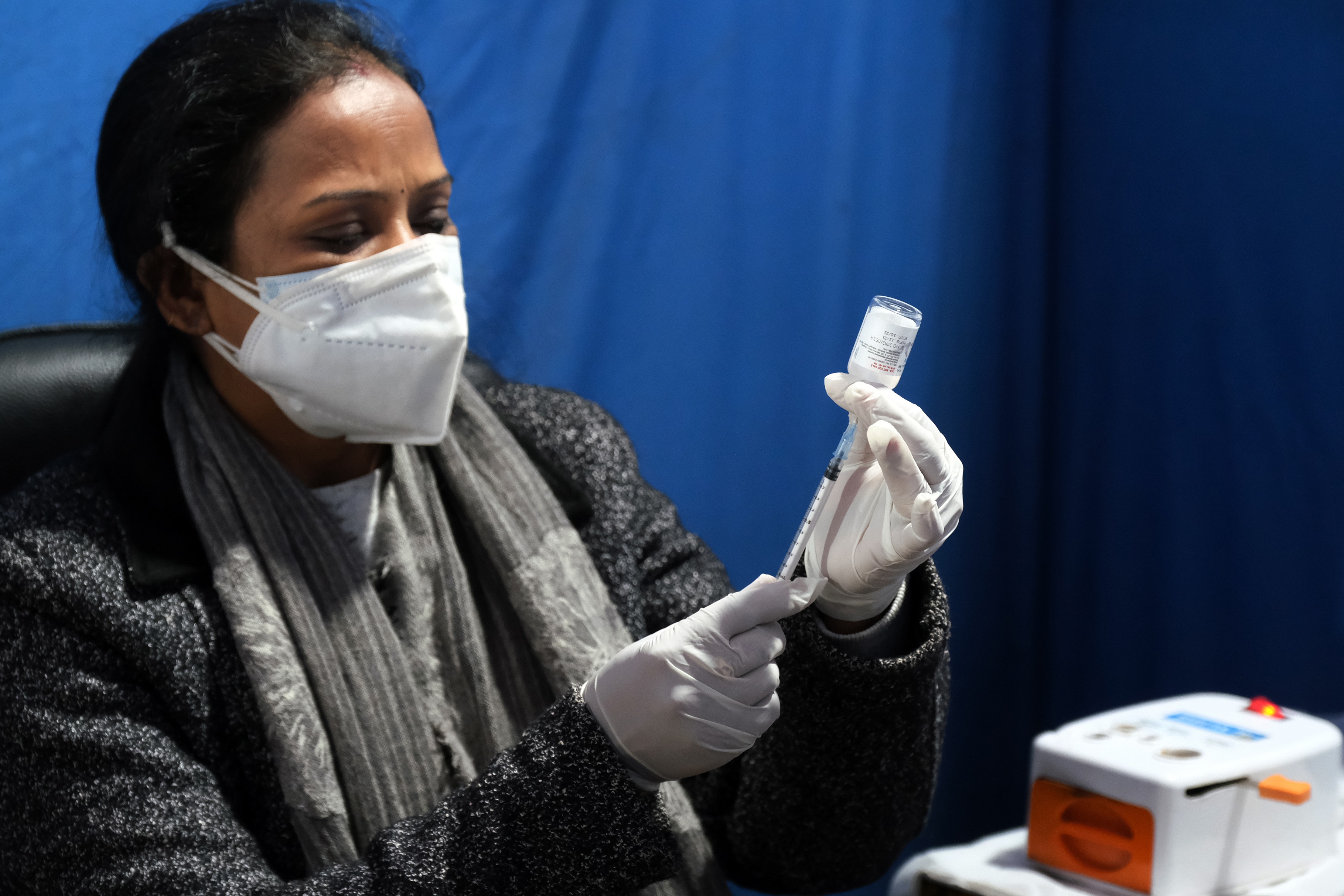
There is, however, no plan to suspend the use of Covaxin in India, these people added, saying that they see no concern regarding the safety or efficacy of the vaccine, which is among the two most widely used in the country till now.
“They (Bharat Biotech) have shared their formal response of more than 50 typewritten pages, addressed to World Health Organisation with Drugs Controller General of India also. CDSCO (Central Drugs Standard Control Organisation) is monitoring the rectification process started by them to address the Good Manufacturing Practices (GMP) deficiencies,” said a senior official in the central government aware of the matter, asking not to be named.
GMP certifications are part of the approval process of a biological product like a vaccine and involves the assessment of whether equipment and protocols in place for their use are to accepted standards in order to avoid risks such as that of contamination.
On April 2, the WHO issued a statement announcing the suspension of supply of Covaxin through UN procurement agencies due to “the need to conduct process and facility upgrade to address recently identified GMP deficiencies”.
The UN agency also said in its note that the suspension was in response to the outcome of a WHO inspection during March 14-22, 2022 and that its assessment does not change the risk-benefit ratio that was considered while giving Covaxin an emergency use approval. In other words, WHO continues to believe any risks are far outweighed by the benefits of using the dose.
India is “not reviewing Covaxin use (under the national vaccination programme). The safety and efficacy of the product has been established. WHO also attests it,” the official quoted above added. Covaxin is an inactivated virus vaccine.
A day before the WHO announced the suspension, Bharat Biotech issued a statement saying: “…During the recent WHO post EUL inspection, Bharat Biotech agreed with the WHO team on the scope of the planned improvement activities and indicated that they will be executed as soon as practical… As all existing facilities were repurposed for the manufacture of Covaxin, with continuous production during the past year, to meet the public health emergency of Covid-19, these upgrades were due. Certain highly sophisticated equipment which were required to enhance the process stringency were unavailable during the Covid-19 pandemic. It has to be stressed that the quality of Covaxin was never compromised at any point in time.”
While neither the WHO nor Bharat Biotech detailed whether the problems were identified at specific or all facilities, people aware of plans said the Hyderabad-based company’s upgrades will not involve all of its units. This is because the company announced recently it will slow down production in the wake of low vaccine demand.
Experts say stringent quality control measures are important in terms of vaccines.
“Risk of Contamination is one issue when talking about quality control but it doesn’t seem WHO has found that major an issue during its inspection. There are other minor issues like record keeping, room temperature, maintenance etc but when talking about vaccines even these minor issues can also not be ignored. Bharat Biotech has agreed to rectify deficiencies and that’s good,” said Dr NK Mehra, senior immunologist.