E-Paper



India moves to shield import-export as conflict threatens energy and trade routes
If the conflict drags on, India may further diversify energy imports, both crude oil and liquefied natural gas (LNG).

 Prefer HTon Google


New Delhi: The government will take steps to protect India’s supply chains by safeguarding exports and ensuring uninterrupted imports of essential commodities such as energy, fertilisers and edible oils from all available sources -- including Russia -- so that domestic consumers do not face shortages, people familiar with the matter said.
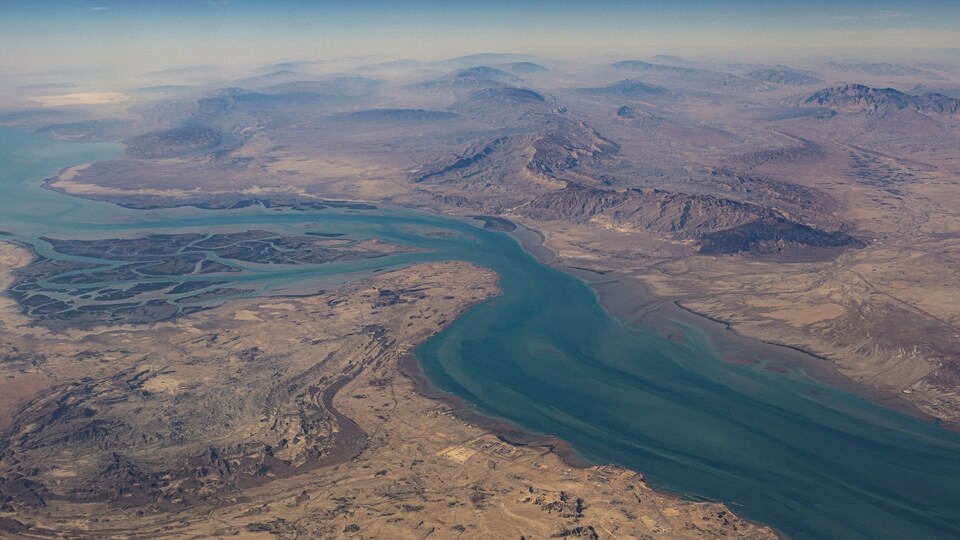
India’s vulnerability stems from its heavy reliance on the Middle East. Around 55% of the country’s energy imports come from the region which is now affected by Iranian strikes. Shipping routes have also been disrupted, with the Strait of Hormuz effectively closed.
The alternative route through the Red Sea is also considered risky because of Houthi attacks. As a result, refiners are expected to increase purchases from relatively safer regions, officials said on condition of anonymity.
If the conflict drags on, India may further diversify energy imports, both crude oil and liquefied natural gas (LNG), toward countries such as the US, Venezuela and Russia. Russia was India’s largest crude supplier until last year due to discounted prices, but purchases were significantly reduced from January 2026 under US pressure.
India is the world’s third-largest oil consumer after the US and China, yet produces only a fraction of what it needs. More than 88% of the crude it processes is imported.
Officials said refiners will continue sourcing oil from all viable suppliers to ensure stable availability at reasonable prices. The US-Israel strikes on Iran and Tehran’s retaliation has pushed up global prices. Benchmark Brent crude opened Monday at $81.57 per barrel, up nearly 12% from Friday’s close of $72.87.
In a post on Monday, the petroleum ministry said it had reviewed the supply situation for crude oil, liquefied petroleum gas (LPG) and other petroleum products with senior officials and state-run oil companies. “We are continuously monitoring the evolving situation, and all necessary steps will be taken to ensure availability and affordability of major petroleum products in the country,” it said.
The commerce ministry also held an inter-departmental meeting with stakeholders to assess potential trade disruptions. Participants reviewed changes in shipping routes, and implications for time-sensitive exports.
The discussions focused on maintaining predictability in cargo movement, minimising delays and ensuring seamless documentation and payment processes for exporters and importers. The meeting was chaired by commerce department special secretary Suchindra Misra and director general of foreign trade Lav Agarwal.
Representatives from logistics operators and shipping lines attended, along with officials from the Central Board of Indirect Taxes and Customs, Department of Financial Services, Reserve Bank of India and the ministries of petroleum and ports, shipping and waterways. Export promotion bodies were also present.
The government reiterated its priority of maintaining continuity in export-import logistics and mitigating disruptions to trade flows. The approach, it said, would remain coordinated and facilitative, with particular attention to protecting exporters— especially MSMEs—while ensuring essential imports remain unaffected.
Stakeholders agreed to maintain real-time coordination to monitor routes, shipping capacity and equipment availability. Mechanisms to support time-sensitive sectors such as perishables and high-value manufactured exports were also discussed. The meeting emphasised strengthening port facilitation and ensuring smooth cargo evacuation to avoid congestion.
The government also indicated readiness to introduce procedural flexibility in export authorisations during disruptions, coordinate with customs authorities on clearances, and engage financial institutions to support exporters, alongside continued inter-ministerial coordination.