E-Paper



India paves way for a cheaper anti-tuberculosis drug for kids
The Indian Patent Office rejected Johnson & Johnson’s (J&J) application for the paediatric version of its anti-tuberculosis (TB) drug, bedaquiline.

 Prefer HTon Google


The Indian Patent Office’s rejection of Johnson & Johnson’s (J&J) application for the paediatric version of its anti-tuberculosis (TB) drug, bedaquiline, is likely to have broader implications for access to cost-effective TB treatment, according to experts.
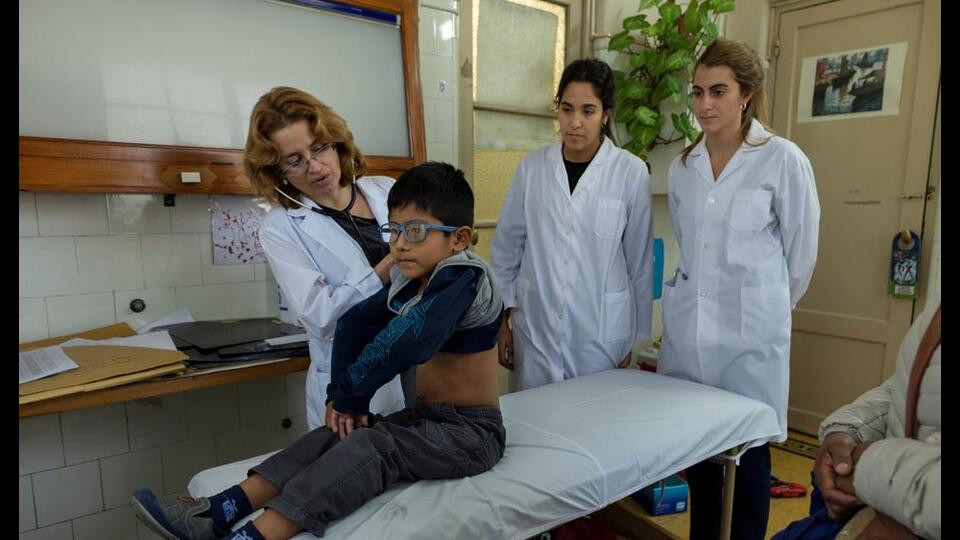
Bedaquiline is a key treatment for drug-resistant TB recommended by the World Health Organization (WHO).
Last year, the patent office also rejected the US pharmaceutical corporation’s attempt to extend its monopoly in India on bedaquiline for treating adults beyond the primary patent’s expiry in July 2023. If granted secondary patent, it would have extended the company’s market control over the drug for an additional four years beyond the primary patent’s expiry. The rulings, therefore, have paved the way for a generic tuberculosis drug in the market that is likely to cost 80% cheaper for a six-month course for patients suffering from drug-resistant TB from the lowest price of $45 per person per month.
“It is a great step for access to treatment as it will open up the market for cheaper medicines. There is very less R&D in this drug and children are the most vulnerable. Adult drugs have seen a significant reduction and for the children’s version also we expect the cost of treatment to come down significantly,” said Ganesh Acharya, a two-time TB survivor, who, along with other civil society groups and survivors, filed a petition challenging the patent in 2020, which J&J did not contest.
Since 2020, bedaquiline has become the backbone for all drug-resistant TB regimens recommended by the World Health Organization. It has been favoured over other drugs because it is proven to be less toxic and more effective.
In a statement last year, J&J announced it has granted the Stop TB Partnership’s Global Drug Facility licences that would allow them to tender, procure, and supply generic versions of bedaquiline for the majority of low- and middle-income countries.
Médecins Sans Frontières (MSF) also said this is a significant step towards increasing affordable access to the lifesaving TB drug for children, urging generic manufacturers to take the opportunity to develop and supply the paediatric formulation to TB programmes.
“With still 1.3 million children and young adolescents developing TB globally in 2022 according to WHO, governments need to do more to ensure effective TB and DR-TB treatment reaches all children, in line with the WHO’s treatment recommendations,” said Aparna Iyer, project medical referent, MSF Mumbai drug-resistant TB (DR-TB) project.
Concerns over evergreening—a practice that extends patent life through patenting of obvious forms, improvements and modifications of life saving medicines—have led to several such pre-grant oppositions.
Indian patent law is pivotal in this context by explicitly prohibiting evergreening. This provision ensures that generic forms of essential medicines remain accessible through generic competition once the primary patent expires.
“It is crucial to protect the pre-grant opposition mechanism to prevent the approval of unmerited patents. This ensures the timely availability of quality-assured, affordable generic medicines,” said Acharya.
India notified nearly 2.55 million cases of TB last year. The overall notification of TB cases has improved by 64% over the last 9 years, government data showed