E-Paper



India rejects Pakistan’s allegations about bomb attack in Balochistan
Balochistan, rich in resources but sparsely populated, faces a long-running insurgency as militants demand more autonomy and control over local resources.

 Prefer HTon Google


India on Wednesday rejected the Pakistani military’s “baseless allegations” about Indian involvement in the bombing of a school bus in Balochistan, and said it has become second nature for the neighbouring country to make such claims because of its reputation as an epicentre of terrorism.
A powerful blast that hit the school bus in Khuzdar killed six people, including four students, and injured dozens, Balochistan chief minister Sarfaraz Bugti told reporters.
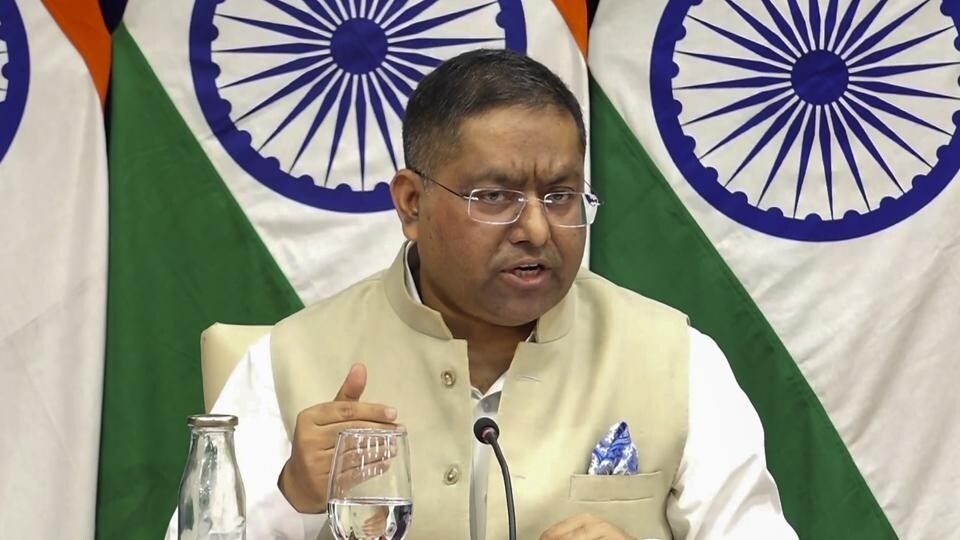
External affairs ministry spokesperson Randhir Jaiswal strongly refuted the “baseless allegations” by the Inter-Services Public Relations (ISPR), the Pakistani military’s media arm, that the attack was “planned and orchestrated by [the] terrorist state of India and executed by its proxies”.
While dismissing Pakistan’s claim regarding Indian involvement in the incident, Jaiswal said: “India condoles the loss of lives in all such incidents.”
He added, “However, in order to divert attention from its reputation as the global epicentre of terrorism and to hide its own gross failings, it has become second nature for Pakistan to blame India for all its internal issues.”
This attempt to “hoodwink the world is doomed to fail”, Jaiswal said.
The ISPR did not provide any evidence to support its claim of Indian involvement in the attack. It also claimed that “Indian proxies have been unleashed” to spread unrest in Balochistan and Khyber-Pakhtunkhwa provinces.
Balochistan, Pakistan’s most resource-rich but least populous province, has been affected by a long-running insurgency. Most of the local militant groups have taken up arms to press for a greater say in the utilisation of natural resources and to seek autonomy.
The bombing came a little more than 10 days after India and Pakistan reached an understanding to end military actions after four days of clashes using drones, missiles and long-range weapons. The clashes followed Operation Sindoor, launched by India on May 7 to target terrorist infrastructure in territories controlled by Pakistan in retaliation for the Pahalgam terror attack of April 22.