E-Paper



India, Russia review bilateral ties amid division in G20 on Ukraine
External affairs minister S Jaishankar held talks with his Russian counterpart Sergey Lavrov in New Delhi on Wednesday against the backdrop of deep divisions within the G20 over Russia’s invasion of Ukraine.

 Prefer HTon Google


External affairs minister S Jaishankar held talks with his Russian counterpart Sergey Lavrov in New Delhi on Wednesday against the backdrop of deep divisions within the G20 over Russia’s invasion of Ukraine.
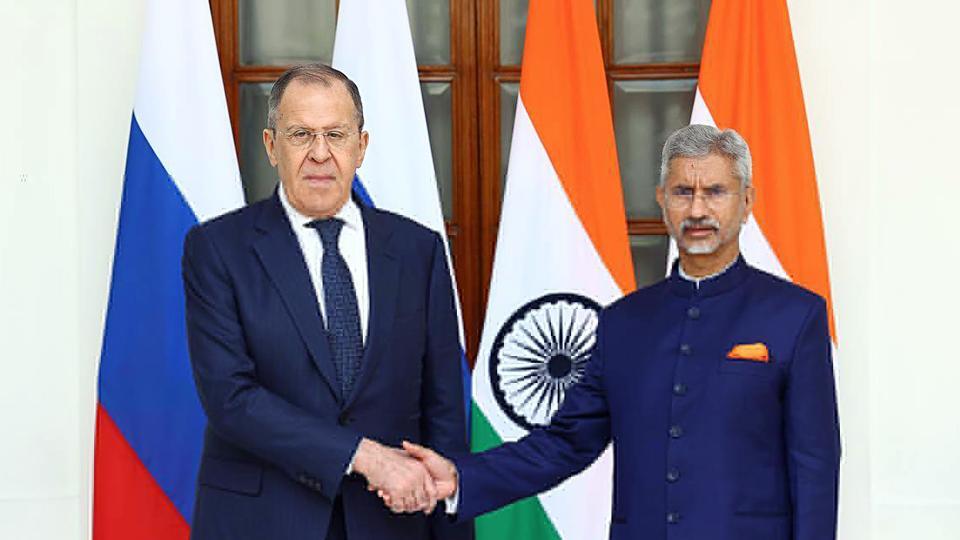
There was no detailed readout from the Indian side on the meeting between the two foreign ministers, who have remained in close contact since Russia invaded Ukraine a year ago.
ALSO READ: Ukraine looms over key G20 meet
“A wide ranging discussion with FM Sergey Lavrov of Russia on #G20FMM sidelines. Exchanged views on our bilateral cooperation and G20 issues,” Jaishankar said in a tweet after the meeting.
Russia’s foreign ministry said the meeting focused on strengthening the bilateral strategic partnership and both sides discussed ways to increase coordination at the global level, especially at forums such as UN, G20, Brics and the Shanghai Cooperation Organisation (SCO).
Lavrov was among the first of the G20 foreign ministers to arrive in New Delhi late on Tuesday. He also held a meeting with Turkish foreign minister Mevlut Cavusoglu on Wednesday.
Lavrov obliquely referred to Russia’s concerns about the G20 process while speaking at the opening of the “Tolstoy-Gandhi Exhibition” organised as part of the New Delhi World Book Fair. Russia is firmly against sanctions, blackmail and threats, he said without directly naming the G20 or Western countries that have slapped embargoes on Moscow over the Ukraine crisis.
“We support our Indian friends in their quest to strengthen genuine multipolarity. We are united in our commitment to shape a more just and democratic polycentric world order,” Lavrov added speaking in Russian.
“Moscow and New Delhi consistently oppose such neo-colonial practices as illegitimate unilateral sanctions, threats, blackmail and any other kinds of pressure against sovereign states,” he said.
Russia advocates for respect of the cultural diversity of the world and every nation’s right to independently choose its future, and strengthening inter-cultural dialogue within G20 facilitates the search for mutual trust and effective responses to contemporary challenges, Lavrov said.
ALSO READ: India G20 Presidency — A Potential Watershed Moment?
The Russian embassy said in a statement that Moscow will work with New Delhi to achieve the desired results at the G20 foreign ministers meeting on Thursday while also showing the “greatest possible flexibility”. Russia will also defend its fundamental interests and promote recognition of “new global realities that assert a multipolar system of relations”, the statement said.
In an apparent reference to the economic sanctions imposed by the West, the statement said Russia will ask members of the G20 to switch to national currencies for trade, align clearing and settlement mechanisms, and create “independent insurance plans and transport routes”.