
 E-Paper


Follow the latest breaking news, major developments and agenda-setting stories from India and around the world with the newsdesk at Hindustan Times. Operating round the clock, the desk brings together experienced editors, reporters and correspondents to deliver fast, accurate and contextual reporting across subjects that influence public policy, governance, business, society and international affairs. The HT News Desk covers politics, elections, government policies, the economy, business and markets, science and technology, the environment, law and order, infrastructure, education, climate issues and geopolitics, while closely tracking developments across states, institutions and global capitals. The team also leads coverage of major breaking news events, policy announcements, court proceedings, natural disasters, public emergencies and significant international developments. Reports published by the newsdesk are based on information gathered from reporters on the ground, official statements, government agencies, court records, regulatory filings, recognised institutions and other authoritative sources. Stories undergo editorial scrutiny and verification processes to ensure accuracy, fairness and relevance, and are updated as events evolve and additional information becomes available. Whether covering a key political decision in New Delhi, an economic policy shift affecting millions, a landmark court ruling or a major global event, the HT News Desk aims to provide readers with reliable, fact-based journalism that delivers not only the latest developments but also the context and analysis needed to understand their wider implications.
India’s Presidential elections: All you need to know about the procedure
A list of frequently asked questions on India’s President and how the head of state is elected.
Updated on: May 8, 2017, 12:47:42 IST
Hindustan Times, New Delhi

Share via
Copy link
The upcoming presidential polls in July may turn out to be the closest electoral contest of the kind since 1969, when VV Giri faced off with Neelam Sanjeeva Reddy. This year, the election is expected to be held before July 24, when President Pranab Mukherjee’s term ends.
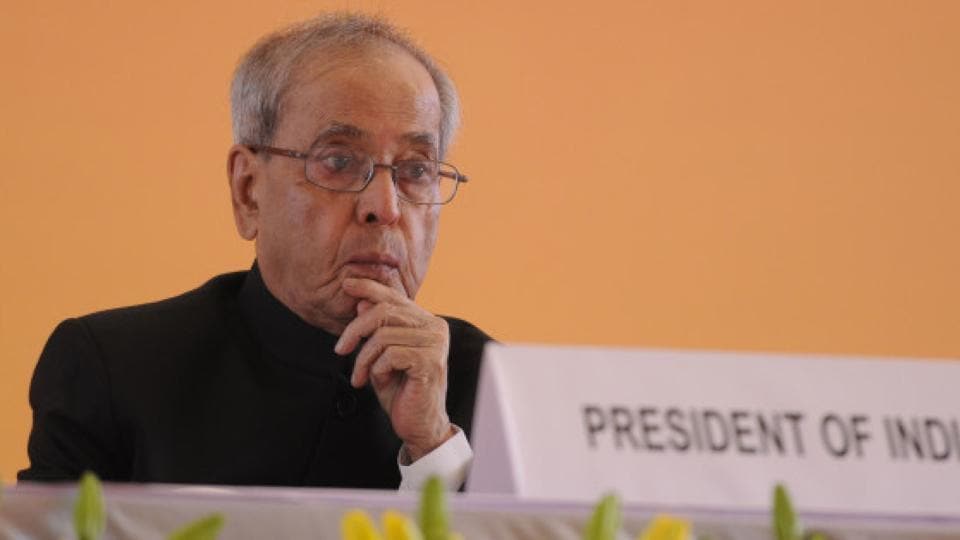
The electoral college of the President comprises both MPs and MLAs, and each vote weighs in accordance with proportional representation. While all MP votes bear equal value, the weightage of MLA votes differs from state to state. MLAs from Uttar Pradesh carry the highest value while those from Sikkim have the least.
Here’s all that you may want to know about the presidential election process:
(Source: Election Commission of India website)


