E-Paper



India should help revive Palestinian-Israeli peace process: Kuwait foreign min
Ahmed Nasser al-Mohammed al-Sabah, who is in India for a brief visit to hold talks with his counterpart S Jaishankar, made the remarks during an interaction with a small group of reporters late on Wednesday

 Prefer HTon Google


Kuwait looks to India and the world community to help revive the peace process between Palestinians and Israelis as allowing the matter to linger further could jeopardise any potential for progress, Kuwaiti foreign minister Ahmed Nasser al-Mohammed al-Sabah has said.
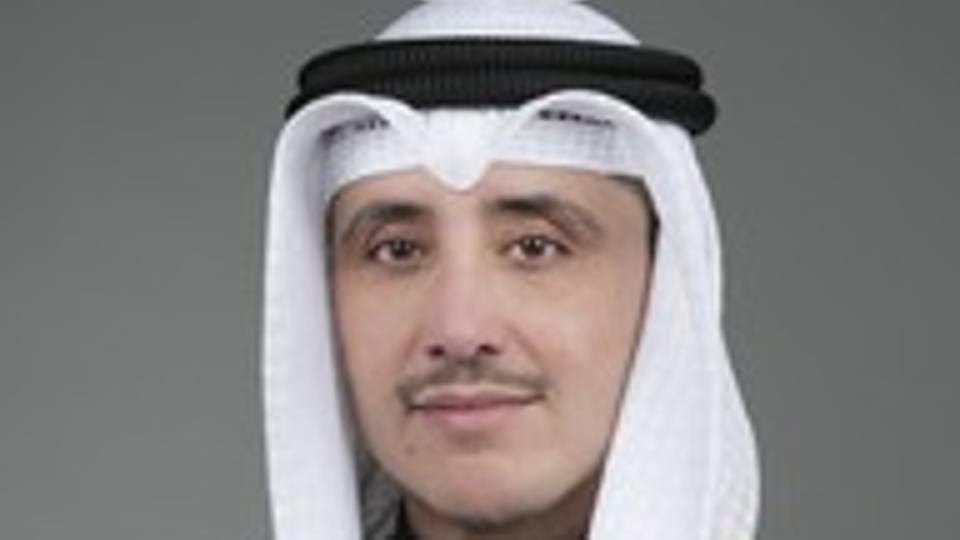
Al-Sabah, who is in India for a brief visit to hold talks with his counterpart S Jaishankar, made the remarks during an interaction with a small group of reporters late on Wednesday.
He said his talks with Jaishankar on Thursday will focus on institutionalising the wide-ranging cooperation between Kuwait and India and creating a framework to help both sides move forward in an objective manner in areas such as food security, energy, trade and investment.
Al-Sabah described the Abraham Accords signed by Israel and Gulf Cooperation Council (GCC) members such as Bahrain and the United Arab Emirates (UAE) as sovereign decisions by countries regarding the conduct of foreign relations.
“Saying that, we think that the peace process is very important. We think that now it is the opportune time to revive the peace process between the Palestinians and the Israelis. We think that if we leave the peace process to linger even further...it might jeopardise any potential for it to see the light of day,” he said.
Also Read | Kuwait bans entry for non-Kuwaiti citizens as part of Covid-19 restrictions
“And it needs the understanding and the support of the whole international community, including India, in this matter. We think that this issue has taken a long time and has produced a lot of bloodshed, violence and tragedy, but most importantly, despair in the region and among the Palestinians. We are with the peace process and the potential of reviving the peace process is very important to bring back hope for all those affected,” he added.
Al-Sabah lauded India for standing by Kuwait in its “darkest moments and in our direst time”, including the provision of medical assistance during the peak of the Covid-19 pandemic last year. He singled out the “white army of Indian nationals” – or nurses and doctors – who were combating Covid-19 alongside Kuwaitis.
“Even when there was a total lockdown in India, the Indian leadership sent medical assistance to Kuwait and this was very much appreciated,” he said.
India deployed a medical rapid response team to Kuwait last April to help in testing and treating infected people. The 15-member team was sent at the request of the Kuwait government.
Al-Sabah also played down a bill on reducing the number of foreign nationals that was discussed last year by Kuwait’s Parliament, saying it was only aimed at illegal residents.
Kuwait’s population of 4.1 million includes 1.4 million Kuwaitis and almost 900,000 Indians, he noted. “They [Indians] share with us our bread and butter. They have contributed very much and are still contributing in our development and strengthening our cooperation,” he said.
“The Indian community is an element of security of Kuwait and also an integral part of the new generation ahead as they are very much involved in our education system. The bill discussed last year was only for illegal expats in Kuwait and is not aimed at any of the more than 170 nationalities present in the country,” he added.