
 E-Paper



India showed will, capability to stand up to China: US official
The rest of the Indo-Pacific countries are “watching this carefully” and have been “encouraged by India’s resolve”, Lisa Curtis, senior director for South and Central Asia, US National Security Council said.

 Prefer HTon Google


India showed “will and capability to stand up to China” in the recent border conflict, Lisa Curtis, senior director for South and Central Asia, US National Security Council, has said. The rest of the Indo-Pacific countries are “watching this carefully” and have been “encouraged by India’s resolve”. Curtis said this during a Brookings Institution webinar on Wednesday assessing China’s growing regional influence. India, she noted, “played the economic card” by banning Chinese apps and putting a hold on Chinese investments.
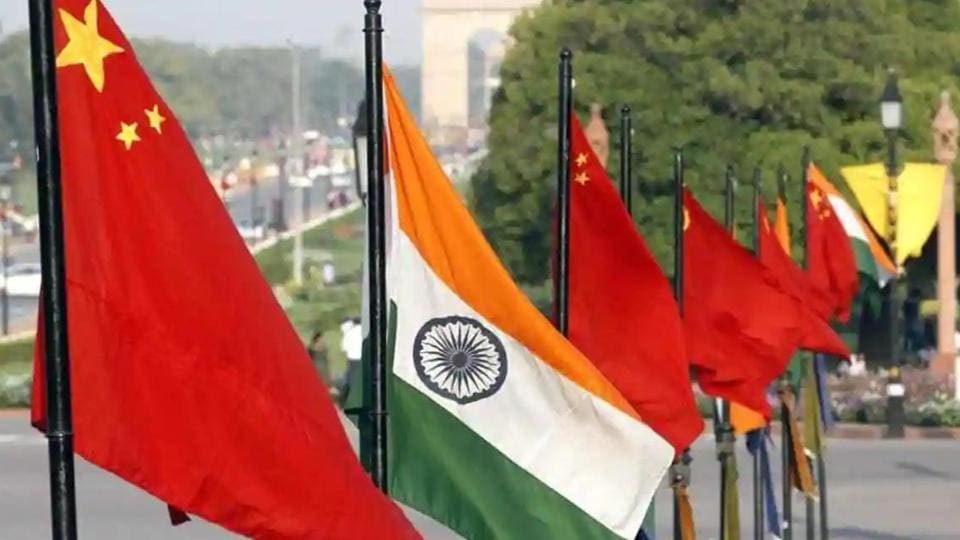
“Thankfully,” she said, we are “beginning to see disengagement of forces. But the “pressure that China put on India on the Line of Actual Control” will have a long-term impact on how India views China and will “change the dynamics between the two.” An experienced South Asia hand who has served the US government in both India and Pakistan, Curtis said, “Few countries are more familiar with China’s malign influence than India.”
China’s “recent aggressive stance [in Ladakh] fits with the larger pattern of Chinese aggressiveness in other parts of the world”, she said.
Twenty-five years ago China did not take India seriously, she said. India was seen as “inward-looking and lagging in its economic indicators.” Fifteen years ago, as India’s growth and military capabilities began taking off, there was a line of thinking that India and China would work together and “usher in a new Asian century.” From about 2010 or so, differences over the long standing border dispute re-emerged and each side became “uncomfortable” with the rise of the other. China’s influence in India’s neighbourhood, such as in Sri Lanka and Nepal, moved from economic to “more and more interference in domestic politics.”
Curtis said China’s influence in South Asia had grown significantly over the past 20 years. And Beijing’s actions were causing blowback. The Maldivian people had “pushed back” attempts by former president, Mohammed Yameen, to make his country dependent on Chinese debt by voting him out of office. Yameen had “awarded construction contracts to Chinese companies at inflated prices and without transparent bidding, leaving the Maldivian people with enormous debt.”
After discussing US attempts to roll back Chinese influence in Central Asia, Curtis mentioned Pakistan at the end of her written comments. “Nowhere in South and Central Asia has Chinese influence been more invasive than in Pakistan.” The $60 billion China-Pakistan Economic Corridor (CPEC) was neither aid nor an equity investment of the kind that had propelled China’s own growth. CPEC is being financed through sovereign debt — which means the “risks are borne by the Pakistani people and the benefits accrue to China.” However, she cited Beijing and Washington’s common support for an end to violence in Afghanistan as evidence the two countries could work together and stressed the US had “deep and abiding respect for the Chinese people.”
.


