E-Paper



India, Sri Lanka, Maldives to revive trilateral maritime security dialogue
As part of efforts by the three countries to expand maritime security cooperation in the Indian Ocean, three more countries—Bangladesh, Seychelles and Mauritius—have been invited as observers for the meeting

 Prefer HTon Google


India, Sri Lanka and the Maldives will revive their trilateral maritime security cooperation dialogue when National Security Advisor (NSA) Ajit Doval visits Colombo on Friday for the first meeting of the group since 2014.
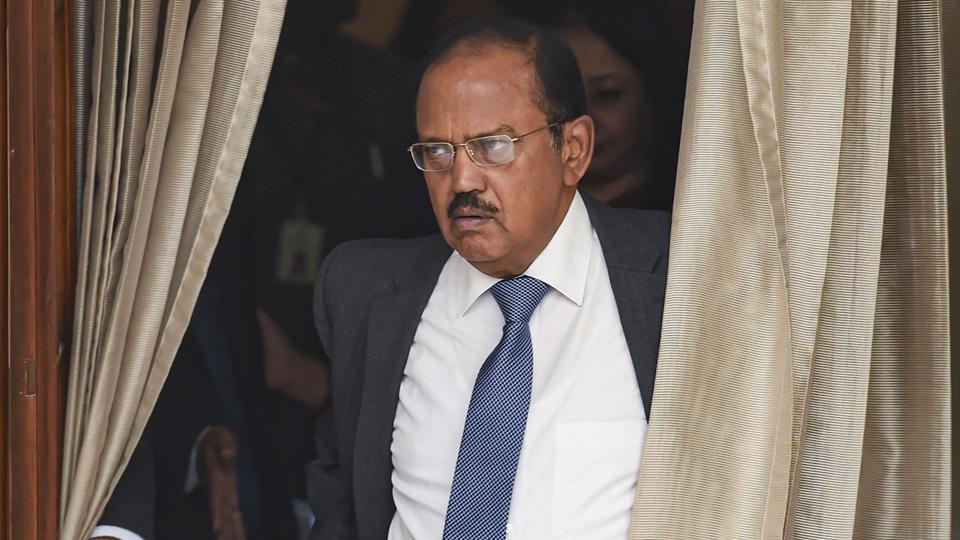
As part of efforts by the three countries to expand maritime security cooperation in the Indian Ocean, three more countries – Bangladesh, Seychelles and Mauritius – have been invited as observers for the meeting, people in New Delhi and Male familiar with developments said on condition of anonymity.
The revival of the dialogue, which was suspended after India’s relations with the Maldives soured under the previous regime Abdulla Yameen regime, has been on the cards since the Easter Sunday attacks in Sri Lanka in 2019 that were claimed by the Islamic State.
As the Maldives does not have a NSA, the Indian Ocean archipelago will be represented by defence minister Mariya Didi. Sri Lanka will be represented by defence secretary Kamal Gunaratne, at whose invitation Doval is visiting Colombo.
“This is the fourth edition of the trilateral meeting, and the last one was held in 2014. Seychelles, Mauritius and Bangladesh will be present as observers at Sri Lanka’s invitation,” one of the people cited above said.
The level of participation by Seychelles, Mauritius and Bangladesh couldn’t immediately be ascertained.
The meeting will focus on cooperation in maritime security in the Indian Ocean. Doval is also expected to have other bilateral engagements on the margins of the trilateral meeting.
Doval’s two-day visit to Sri Lanka will be his second trip to the island nation this year. He visited Colombo in January, when he held talks with President Gotabaya Rajapaksa on national and maritime security, intelligence-sharing, and regional collaboration.
The meeting is being held against the backdrop of the Chinese People’s Liberation Army Navy’s growing presence in the Indian Ocean and its efforts to step up defence linkages with smaller countries in the region, as well as the India-China border standoff.
Also Read: China’s top diplomat touts South Korea ties amid row with US
The first trilateral maritime security cooperation dialogue was held in Male in 2011. Two more meetings were held in Colombo in 2013 and New Delhi in 2014, and Mauritius and Seychelles were present as observers at the last meet. The dialogue was suspended after relations between India and the Maldives hit a low, largely because of the actions of former president Abdulla Yameen, who was perceived as close to China.
In the past meetings, the three countries had discussed cooperation on issues such as maritime domain awareness, sharing of data on shipping, training, search and rescue, response to oil pollution, piracy and illegal maritime activities.
In September, India provided a Dornier maritime surveillance aircraft to the Maldives National Defence Force (MDNF). The aircraft is expected to boost efforts to keep a closer eye on the movement of Chinese vessels in regional waters. At the time, Indian officials had said the aircraft will also play a role in counter-terrorism efforts, especially after terror attacks at the harbour of Mahibadhoo Island in the central Maldives on April 15.
During Rajapaksa’s visit to India in November last year, India had offered Sri Lanka a line of credit of $50 million to fight terrorism and enhance intelligence gathering in the aftermath of the Easter Sunday suicide attacks by Islamic State-linked terrorists that killed 258 people.