
 E-Paper



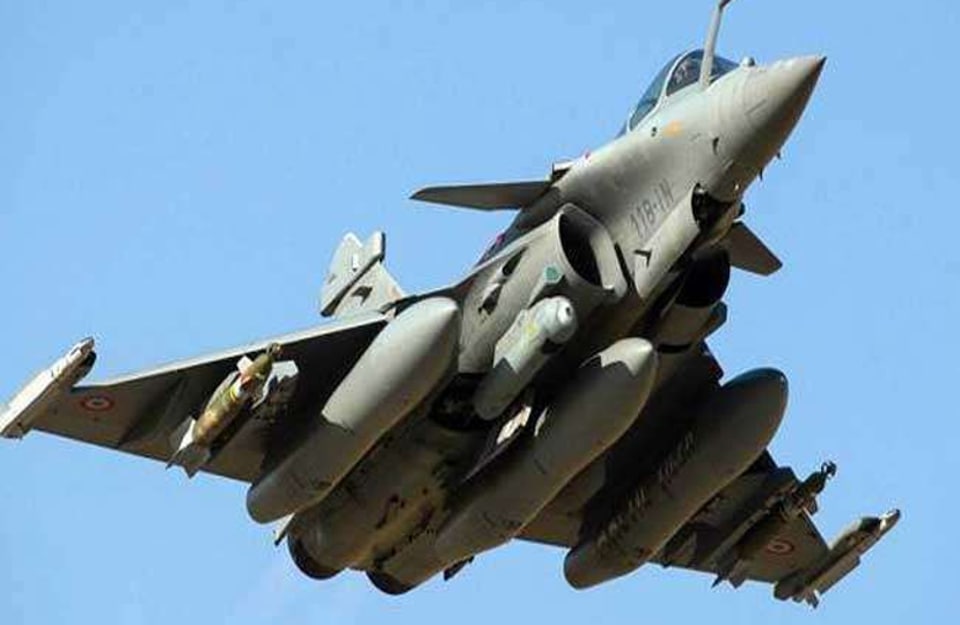
Indian Air Force with Rafale has plan to take the fight to China
The Indian Air Force has the capacity and capability to bring the fight to Han China, way beyond occupied Tibet and Xinjiang.

 Prefer HTon Google


While the Indian Air Force (IAF) plan against the threat of Chinese Air Force remains classified, the basic strategy against People’s Liberation Army (PLA) was put to test very successfully during 2018 Gagan Shakti pan-India air exercises. The strategy is simple: Disperse, Absorb, Recoup and Retaliate.
Air warriors like Air Chief Marshal (Retd) Birender Singh Dhanoa know that the Chinese will launch a barrage of early long range missile strikes against Indian air bases to incapacitate them. However, according to a March 2020 Belfer Center Study of Harvard Kennedy School, this is easier said than done.
Also read: Chinese bunkers at Lhasa airport, just 1,350 km from Delhi, worry India
The study quotes a senior IAF officer saying that the Chinese need 220 ballistic missiles to keep one airfield shut for 24 hours.
“This will not make any difference to IAF operations in the east or the west since the Force has a large number of other airfields (from Leh to Pasighat) to operate from. If the PLA air force attacks just three air bases, it will require 660 ballistic missiles per day for attacking the runway and taxi track alone. China’s stock of 1,000-1,200 medium range ballistic missiles or short range ballistic missiles will be over in three days with no other major target system like command and communication centres or air defence units being addressed,” the study says.
While recognising the rocket threat from China, the IAF strategy has been fine tuned to an art form and put to practice through more than 6,000 sorties alone on the eastern front during Exercise Gagan Shakti. “The moment the red flag is up, we will disperse the aircraft from the designated fields to all along the border with China with sufficient ammunition in those bases to take care of the air operations,” said a serving Air Force commander.
The next step in the Indian counter strategy is to absorb the attack at the air bases and quickly repair the runway and the taxiway. It is understood that the IAF has the capacity to repair the runway and get the air base operational within four to six hours. “We don’t have either the US Patriot anti missile system or the Israeli Iron Dome system. But have a proven capacity, tested under Gagan Shakti to repair the runways within six hours maximum,” said the IAF officer.
Former Air Chief Dhanoa explains it by saying that even if Chabua, Tezpur, Leh, Adampur air bases are down, the dispersed aircraft will start operating from other bases like Bareilly, Dimapur, Kanpur and Gorakhpur and a dozen of other airfields. “The next steps are to recoup and then retaliate,” he said.
During the 2018 Gagan Shakti exercise, then defence minister Nirmala Sitharaman and then air chief Dhanoa landed at Pasighat advanced landing ground with a Su-30 taking off from the new air strip.
While the Chinese rocket attack will damage the Indian air bases, the inherent problem of rocket attack is that it is a one-time attack and there is a limitation on the warhead load.
“Just as the Chinese have the missile ranges to reach any corner of India, the reverse is equally true with the Agni V missile ready and operational. To add to this the Indian manned fighters like Rafale and Sukhoi carry over 30 tons of ordnance to be delivered with pin-pointed accuracy. Compare this to a 100 kg warhead on a missile and you get an answer to what is more lethal,” said a senior IAF officer.
Even though the Chinese military propaganda is on a full swing with so called use of powerful ammunition, the fact is that IAF has both the capacity and capability to bring the fight to Han China, way beyond occupied Tibet and Xinjiang.


