
 E-Paper



Indian medical team reaches Italy to test stranded students for Covid-19
Italy has been hardest hit by the outbreak in Europe, with 15,113 confirmed cases of coronavirus, which has infected more than 134,500 people worldwide and caused more than 4,900 deaths.


A medical team from India has reached Italy’s Leonardo da Vinci International airport on Friday to test stranded Indian nationals including students for coronavirus so that they can come back home.
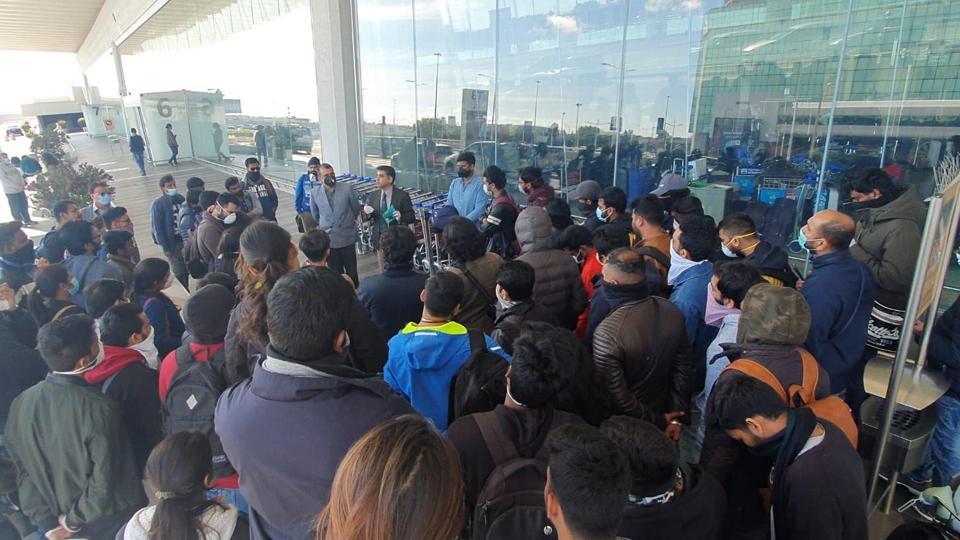
The embassy had earlier reached out to Italian authorities to arrange for Covid-19 testing of Indian nationals. But this plan did not work out because the Italian health system was already under stress and heavily overloaded with their own domestic health emergency.
The Indian medical team will stay back in Italy for the next couple of days to carry out the tests, Indian Ambassador to Italy Reenat Sandhu told Hindustan Times. She said those who test negative will be able to travel back. They will be quarantined on arrival in India for 14 days.
Read also: Indians stranded in coronavirus-hit Iran arrive in Mumbai, to be quarantined at Jaisalmer
Italy has been hardest hit by the outbreak in Europe, with 15,113 confirmed cases of coronavirus, which has infected more than 134,500 people worldwide and caused more than 4,900 deaths.
According to the Indian mission, about 1.6 lakh Indians live and work in Italy apart from around 3,800 students who are enrolled at various universities.
Officials at the Indian mission say they had been in touch with Indian community leaders in parts of Italy for a larger outreach to ensure their well-being.
Watch | Where if not home?: Indians stuck at Italy airport amid coronavirus threat
“In addition, we have also kept in touch with Indian students groups in different universities to make sure they are doing well and safe, offering them counseling and help as required. The effort has been to allay concerns and remain available,” one diplomat at the embassy said.
On complaints by some students that they had not been able to make contact with Indian officials in Italy, the Indian diplomat said a second helpline had been added in Rome and a third in Milan to deal with the large traffic of phone calls.
Read also: PM Modi proposes SAARC leaders’ meet on coronavirus via video conference
“Every effort is being made to ensure that we reply to the numerous emails and continuous phone calls on our helplines with real time information available to us,” the official said.
Besides putting advisories out on social media on the evolving situation, the official said, messages were also being delivered via WhatsApp groups including voice messages in English, Hindi and Punjabi.
At an informal level, officials said they had been working with the Indian community to find reasonable accommodation for the stranded students and managed to get them rooms. “Similarly, we worked with Air India to give them food vouchers and assure that no cancellation fee will be charged. Air India has agreed to reschedule their flight bookings at no charge,” a second official said.


