
 E-Paper



India’s nuclear triad projects dominance over the Indo-Pacific
INS Arighaat was commissioned on August 29, seven years after it was launched, and the third one INS Aridaman will be commissioned next year.

 Prefer HTon Google


New Delhi: By commissioning two nuclear ballistic missile submarines during his two terms in office, Prime Minister Narendra Modi has shown commitment to "India First” policy commensurate with the stated objective of India acquiring ‘credible, minimum’ and indigenous nuclear deterrent with second strike capability.
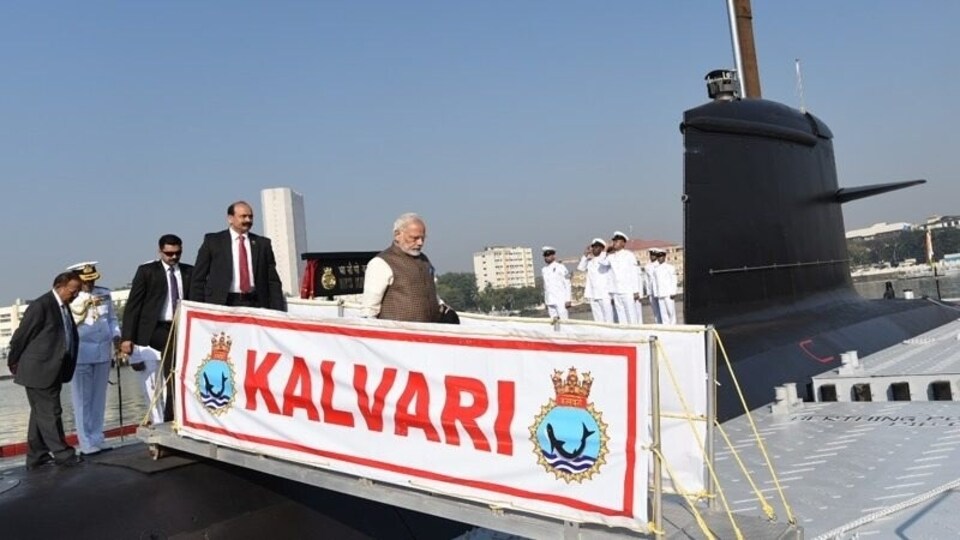
The first ballistic missile submarine SSBN INS Arihant was commissioned in 2016, seven years after it was launched, second one INS Arighaat was commissioned on August 29, 2024, seven years after it was launched and the third one INS Aridaman will be commissioned next year within the same time frame of launching. In the meantime, INS Dhruv, India’s first ballistic missile tracker ship, was commissioned on September 10, 2021 by National Security Advisor Ajit Doval.
While the SSBN is part of India’s stated policy of a nuclear triad, the two ballistic missile submarines project India as a major blue water Navy with across the horizon missile capabilities. It not only strengthens India’s access denial capabilities in the Indo-Pacific but also deters any threat to India’s land and coastline from the source of origin of that threat.
Today with two aircraft carriers and two SSBNs, India dominates the Indian Ocean region with a potent fleet of destroyers, frigates and diesel attack submarines. It is also a message to Indian adversaries in the neighborhood that any aggression will be met with larger force.
That the Modi government’s national security planners are in favour of a sub-surface deterrent than a large surface platform is quite evident by the priority the Navy is giving to construction of two nuclear powered conventionally armed submarines and three additional Kalvari class diesel attack submarines with advanced capabilities over construction of a third air defence ship.
While building its indigenous capabilities, the government is also keeping a watch on the Chinese PLA Navy, which at the current moment has three scientific survey vessels from south of Car Nicobar to east of Sri Lanka conducting hydrographic surveys for future submarine operations. The PLA anti-piracy task force including one destroyer and two landing ships have just completed an operational turn around at Colombo deep sea port.
With China already working on satellites tracking submarine technologies from space, the Modi government appears to be focusing on sea based military doctrine from a historic and traditional land based doctrine.


