
 E-Paper



India’s only investment in Afghanistan is on its people, will get full-value in return: Jaishankar
Given that Indian embassy in Kabul was attacked in 2008, 2009, 2009 and a massive explosion outside its mission in 2017, the Modi government started evacuation of its diplomats and personnel from April 2020.

 Prefer HTon Google


External affairs minister S Jaishankar today said that India had only invested in friendship of Afghan people and was sure that it would get full value of its investment in Afghanistan.
Replying robustly on behalf of the Narendra Modi government before 37 leaders from 31 parties attending the all-party meeting on Afghanistan situation, Jaishankar made it amply clear that India was very much at the centre of the global diplomacy post capture of Kabul by the Taliban and the ground situation was too fluid to take a call on future ties with present regime.
After patiently hearing out 26 speakers for three and a half hours in Parliament, the External Affairs Minister lucidly replied to each question and observation posed by the Members of Parliament. Foreign Secretary Harsh Shringla briefed the Parliamentarians for 45 minutes before Jaishankar intervened.
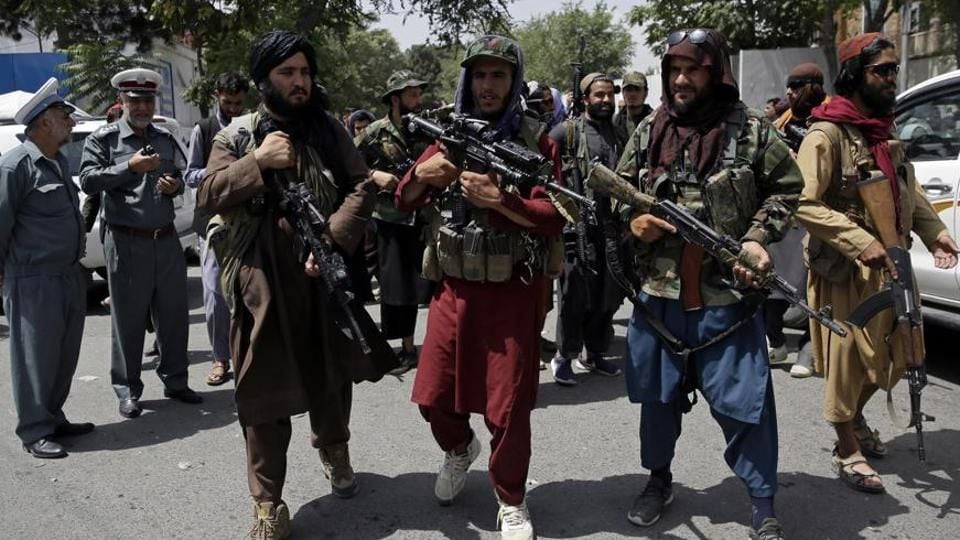
While the all-party meeting appreciated the ministry of external affairs for handling the Afghan situation after two clips of scenes in Kabul streets were shown with Taliban firing and general chaos, the MPs questioned what steps were India taking towards engagement with the Taliban and the recognition of the new regime in Kabul.
Also Read | Afghan situation critical, evacuation priority: Jaishankar at all-party meet
To this question, Jaishankar replied that India was in a wait and watch mode as there was no certainty either on the ground in Kabul or within the international community over the new rulers of Afghanistan. He said due to divisions with the Taliban, there was no certainty about the government in Kabul, the Doha Process was in a stalemate, there is no consensus over sanctions against Afghanistan if any, law and order situation in the entire country was critical and there was no final decision on till when the US will stay in that country. Under the circumstances, Jaishankar said, it would be foolhardy to take a policy call on Kabul and India should avoid the path where events force it to take a decision and that too without full assimilating the facts on ground.
To the allegation that India had been isolated, Jaishankar shot back that Russian President Vladimir Putin, German Chancellor Angela Merkel, US Secretary of State Antony Blinken, UK Foreign Minister Dominic Raab, Saudi Arabian State Foreign Minister Adel Aljubeir have all been in touch with India. The Qatar government wants to keep in touch with India over Afghanistan and India as president of UNSC called a special session on Afghanistan on August 16. India is also playing a role as the chairman of the UN 1988 sanctions committee for listing and delisting of terror entities and individuals. The EAM fully defended the e-visa step as he said that national security was of paramount importance and all evacuees from Afghanistan were being screened.
Acutely aware that the Indian mission in Kabul had been attacked thrice and consulates multiple times by terrorists, the Modi government observed deterioration of security situation in Kabul since April 2020 and took preemptive steps from time to time to ensure safety of its diplomats and citizens. Given the deterioration of situation, India based personnel were withdrawn from Herat and Jalalabad consulates in April 2020. In June 2021, India scaled down its presence in Kabul, closed down its old chancery and moved all personnel to new chancery in the most protected Green Zone of Kabul. The Indian personnel in Kandahar mission were evacuated on July 10-11, 2021 in a special flight and the Mazar-e-Sharif mission was shut on August 10-11, 2021. In the past three months, India issued no less than four advisories asking Indian citizens to leave Afghanistan.
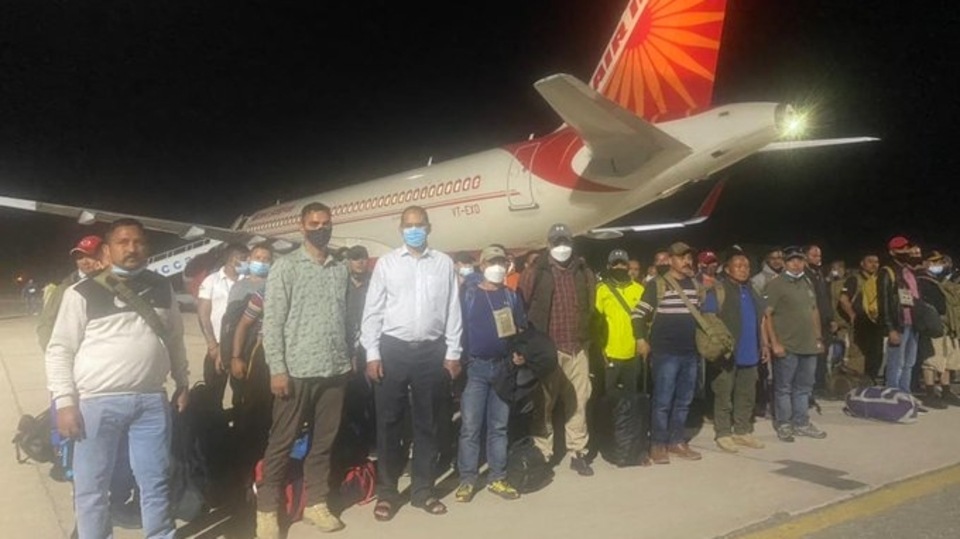
Under Operation Devi Shakti, no less than 565 people have been evacuated from Afghanistan through IAF and Air India flights and evacuation was also offered to neighbourhood countries.


