
 E-Paper



‘Indus Waters Treaty to remain in abeyance till Pakistan...’: Jaishankar
Jaishankar said the Indus Waters Treaty remains in abeyance and will stay that way until Pakistan credibly ends cross-border terrorism.

 Prefer HTon Google


External affairs minister S Jaishankar on Thursday said that the Indus Waters Treaty will continue to remain in abeyance until Pakistan puts an end to cross-border terrorism in a manner that is both credible and irreversible.
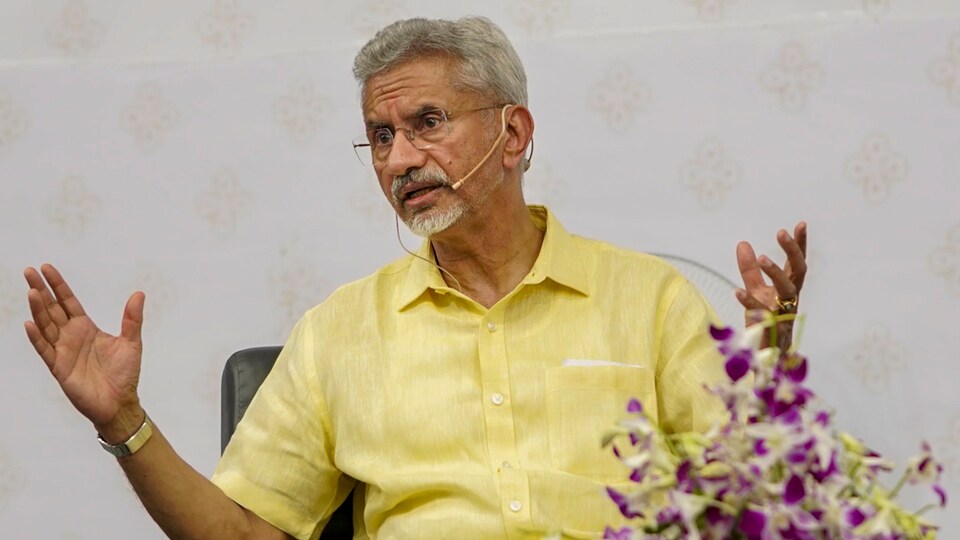
Speaking to the media, the Union minister said, “The Indus Waters Treaty is held in abeyance and will continue to be held in abeyance until the cross-border terrorism by Pakistan is credibly and irrevocably stopped... The only thing which remains to be discussed on Kashmir is the vacating of illegally occupied Indian territory in Pakistan-occupied Kashmir; we are open to that discussion.”
India on Tuesday made it clear that the ceasefire agreement with Pakistan does not alter its earlier measures, including the suspension of the Indus Waters Treaty.
Earlier in the day, The Times of India reported, citing official sources, that Pakistan had recently “appealed” to India to reconsider its decision to keep the Indus Waters Treaty in abeyance, highlighting the reliance of millions of people on the shared water resources.
Quoting a senior source, the ToI report said, “The treaty was negotiated in a spirit of goodwill and good neighbourliness. That is why we persisted with it despite the fact that it was flawed and loaded against India. However, Pakistan's refusal to rein in the terrorists has knocked the very premise underpinning the treaty.”
The report added that Pakistan’s communication to the Indian government came just days after both countries reached a ceasefire understanding following a four-day military standoff.
Why was IWT put in abeyance?
Following the April 22 terror attack in Pahalgam, Jammu and Kashmir, that claimed 26 lives—mostly tourists—India announced a series of strong retaliatory steps against Pakistan on April 23 including the suspension of the 1960 Indus Waters Treaty.
Other measures included shutting down the integrated check post at the Attari border and reducing the staff strength at the Pakistani High Commission in India.
The Indus Waters Treaty, brokered by the World Bank, outlines the terms for sharing and managing the Indus River and its five tributaries—Sutlej, Beas, Ravi, Jhelum, and Chenab—between India and Pakistan. It also mandates regular information exchange between the two nuclear-armed neighbours.
On Monday, Prime Minister Narendra Modi addressed the nation for the first time since Operation Sindoor and underscored the move to suspend the treaty. He said, “water and blood can never flow together.”
During a press briefing, external affairs ministry spokesperson Randhir Jaiswal reiterated India’s stand, saying New Delhi would continue to keep "the Indus Waters Treaty in abeyance until Pakistan credibly and irrevocably abjures support for cross-border terrorism."


