
 E-Paper



After Iranian ship IRIS Dena sunk by US, Indian Army ex-chief recalls an American offer during Op Cactus in 1988
Gen VP Malik says sinking of the Iranian IRIS Dena in Indian Ocean shows US no longer believes in consulting partners when using military forces in the region

 Prefer HTon Google


Recalling a US-India interaction during the Indian forces' Operation Cactus in the Maldives in 1988, former Indian Army chief General VP Malik (retd) on Saturday noted a change in how the United States now perceive partners. He said the sinking of the Iranian Navy ship IRIS Dena by American forces in the Indian Ocean off the coast of Sri Lanka on March 4 showed the US no longer believed in consulting partners when using military forces in the region.
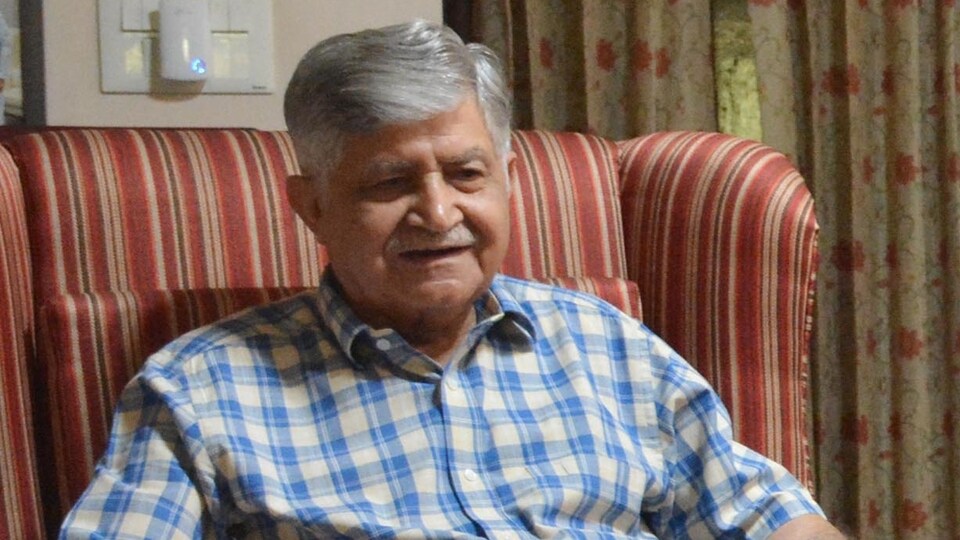
“US sinking of IRIS Dena marks extension of West Asia war to Indian Ocean. Reminds me of Op Cactus (Maldives) in Nov 1988. Maldives Govt desperately wanted mil[itary] help. When we were discussing our response & plans in Ops Room, FS (Foreign Secretary) KPS Menon received a tele call,” Malik wrote on X as part of a three-post redux.
On that call, the then US envoy John Gunther Dean wanted to know what India intended to do to help the Maldives government, Malik said. “He conveyed that US believes India had first right in this regional political crisis. If any help from US was needed, they would consider it. US Naval ships will take 48–72h to reach Male,” Malik wrote.
However, the Indians declined US help, according to Malik, and completed the mission successfully in 36 hours. “The IRIS Dena incident shows that in strategic partnership, US now believes it need not consult partners when using its mil[itary] forces in the region,” Malik concluded.
Gen Malik had, in an article for Hindustan Times in 2023, recounted how Operation Cactus was carried out.
Eighty armed rebels and mercenaries had managed to gain control of Maldives’ capital Male, including major government buildings, the port and TV and radio station. They had surrounded the national security headquarters to make a forced entry. The-then President Abdul Gayoom went into hiding to escape capture. Early on November 3, 1988, his foreign secretary contacted foreign nations, including India, seeking urgent assistance. Maldives was in panic, wrote Malik, who was a Brigadier in the military operations directorate at the time.
Also read | Mapping Maldives' relation with India and China
He said that day a cabinet meeting was held at 11am: “The cabinet meeting starts with the arrival of then Prime Minister Rajiv Gandhi. All possible geo-political, strategic and military scenarios, implications and risks involved in launching an operation are discussed over the next two hours. No other nation is willing to send troops to Maldives. Our PM approves the plan for immediate airlift of the Para Brigade in a long-distance, high-speed IL-76 aircraft from Agra. If this force cannot land at Halule (airport for Male), it will return to Trivandrum, Kerala. The next morning, it will attempt a para landing in a smaller AN-32 aircraft.”
The Indian forces landed in Male around 10pm. Malik and some others returned to Thiruvananthapuram in India while paratroopers on the ground spread out in Male to take control and look for President Gayoom.
“November 4, 3.30am: Male is fully under control of Indian paratroopers. Gayoom is located and his security ensured. He rings up Prime Minister [Rajiv] Gandhi to thank him for the prompt assistance in saving him and his country,” Malik further wrote.
Over the next 36 hours, MV Progress Light with rebels on board and carrying hostages, including the mother-in-law of a Maldives minister, was intercepted by Indian Navy ships and forced to surrender with crew, rebels and hostages, he recounted.
“In Parliament, Rajiv Gandhi stated, ‘I am proud to report that our troops have carried out their assigned task in an exemplary fashion in the highest traditions of the Indian armed forces’,” Malik said.
The Hindustan Times had reported that day in 1988 that, in a radio broadcast, President Gayoom later thanked Prime Minister Rajiv Gandhi for saving his nation from bloodshed.
Gayoom noted that he had survived three coup attempts since he was elected to office in 1978, but he gave no indication who was behind the latest attempt to remove him. However, diplomatic sources and a Sri Lankan military official in Colombo blamed the attack on Sri Lankan Tamil guerillas and said they were recruited by an agent of former President Ibrahim Nasir, HT had reported.


