
 E-Paper



Isro’s NISAR to be first satellite to enable earth observation in 2 frequencies
After integration, the payload will be sent back to India for launch from the country’s only spaceport at Sriharikota sometime in April or May next year

 Prefer HTon Google


The Indian Space Research Organisation (Isro) sent its s-band synthetic aperture radar to Nasa’s Jet Propulsion Laboratory for integration with their l-band radar last week. Coupled together, the Nasa-Isro Synthetic Aperture Radar (NISAR) will become the first satellite to enable earth observation in two frequencies.
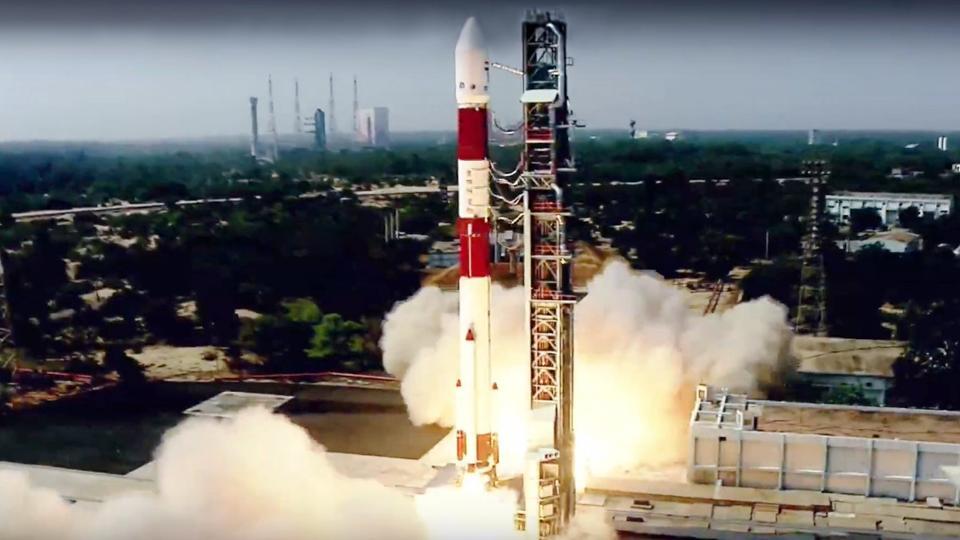
After integration, the payload will be sent back to India for launch from the country’s only spaceport at Sriharikota sometime in April or May next year.
According to Nasa, the satellite will provide an “unprecedented view of the Earth” at less than one centimetre across.
It will help scientists understand the surface as well as the interior of the planet we live on. It will provide better understanding of the effects and pace of climate change by measuring ice sheet collapses, officials said.
Also Read | Satellite set for Mar 28 launch will provide real time images of India’s borders
The satellite will also allow governments to better manage natural disasters—the satellite will provide highly spatial data on tsunamis, earthquakes, landslides,and volcanoes. And,it will also help in better management of natural resources, including detection of disturbances in ecosystems.
Nasa’s partnership with Isro for the mission began after a decadal study identified three thrist areas for Earth Science Studies—ecosystems, deformation of Earth’s crust and cryospheric sciences. For its payload, Isro identified objectives such as agricultural monitoring and characterisation, landslide studies, Himalayan glacier studies, soil moisture, coastal processes, coastal winds, and monitoring hazards. A second radar frequency was added to the mission to better fulfil these science requirements by Nasa.
This is not the first time that the two space agencies have collaborated on scientific missions. It was Nasa’s Moon Minerology Mapper sent aboard Isro’s moon mission Chandrayaan-1 that confirmed the presence of water on the celestial body.


