
 E-Paper



Judges’ appointment: SC collegium to have last say over national security issue
The Supreme Court collegium has made it clear that if the government has objections on the ground of national security and public interest, it will convey the same to the collegium..


The Supreme Court collegium has made it clear that it will have the last say in cases where its recommendation for appointment of a judge is returned by the government on the grounds of national security and public interest.
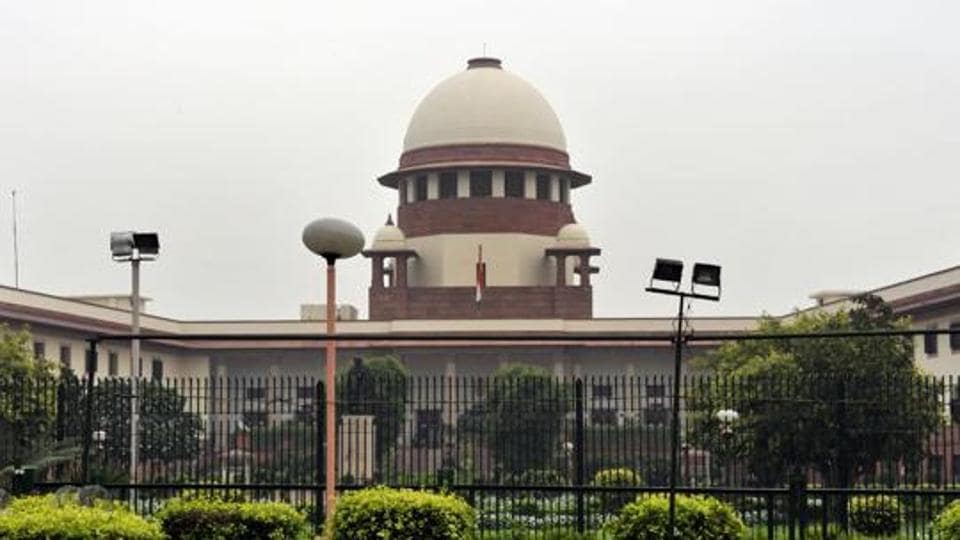
While accepting national security and public interest as the new ground of objection to appoint a candidate as a judge, the collegium is learnt to have made it clear that the government will not have a right to reject its recommendation.
The body of five senior-most judges of the apex court headed by the Chief Justice of India has made it clear that if the government has objections on the ground of national security and public interest, it will convey the same to the collegium.
The collegium will then take a final call, sources said.
While accepting the government’s demand to set up secretariats in the apex court and the 24 high courts to assist collegiums in SC and HCs in selecting judges. But the collegium has refused to accept the demand to have committees of retired or sitting judges to assist the collegiums in finding suitable candidates.
Since January last, the government and the apex court are trying to finalise the memorandum of procedure -- a document to guide appointment of judges to the higher judiciary.
While rejecting the National Judicial Appointments Commission Act, the SC had agreed to revise the memorandum of procedure to usher in more transparency in appointment of judges to the SC and the HCs.
The new law had sought to overturn the over two decade old collegium system where judges appoint judges. It had sought say of the Executive in appointment of judges. The national security clause and the secretariat clause are part of the draft MoP which has been shuttling between the government and the collegium since March 22, 2016.


